
Construction site accidents are common, but the majority of the time they are so easily avoidable. Working on a construction site should always be a safe operation. Here’s everything you need to know about the most common type of on-site accidents and how you can prevent them from happening.
- Page Contents
- Most Common Types of Construction Site Accident
- How to Prevent Construction Site Accidents
Most Common Construction Accidents
There are a wide range of risks & hazards associated with working in construction. Builders and allied trades are constantly at risk from injury and even death whilst earning a living. It is absolutely right that employers understand the risks and do everything they can to mitigate them as much as possible so far as is reasonably practicable.
There is legislation specifically for construction industry, employers should follow The Construction (Design and Management) Regulations 2015.
Here are some sobering thoughts...
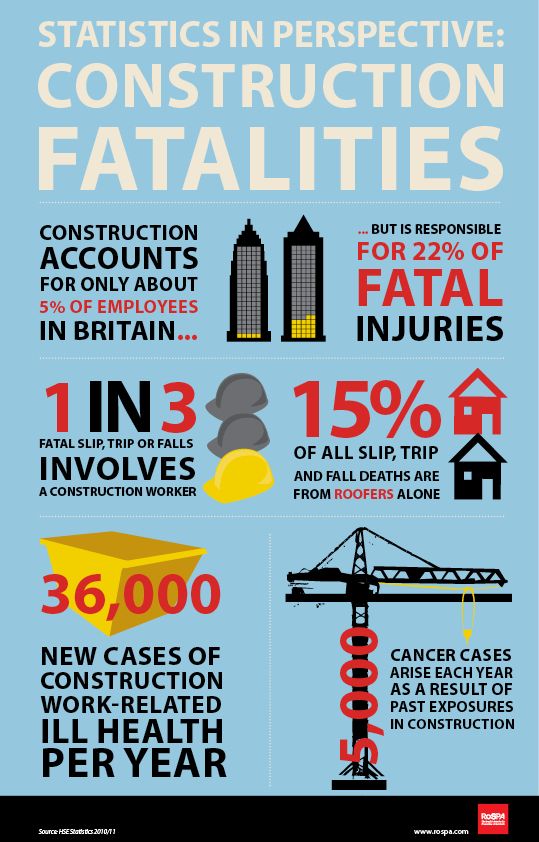
Now we have your undivided attention, read on to learn more about the risks of working in construction and a little advice on how to reduce those risks as much as possible.
Falls From Height
The pertinent legislation here is the Work At Height Regulations (2005)
The most common type of a fall from height is when workers fall off unsecured ladders or scaffolding. These type of falls can leave your team with broken bones, fractures, back and injuries or even cost them their lives.
Ladders should always be used in the correct way to prevent this from happening. Overleaning or setting them up in an unsafe place is very dangerous. Where scaffolding is erected, all walkways need to be appropriately guarded to ensure that there is a safe route from the site.
Falling Objects
Waste items, bricks, tools or spare parts are often transferred between tiers of scaffolding and as a result, workers may find themselves being struck by them. If communication is poor, items can be dropped onto you from above without any warning, giving you little time to get out the way.
Injuries can vary from minor cuts and bruises to more serious crush injuries or head and brain injuries. The constant risk of a falling object hazard is the reason Hard Hats are required on building sites.
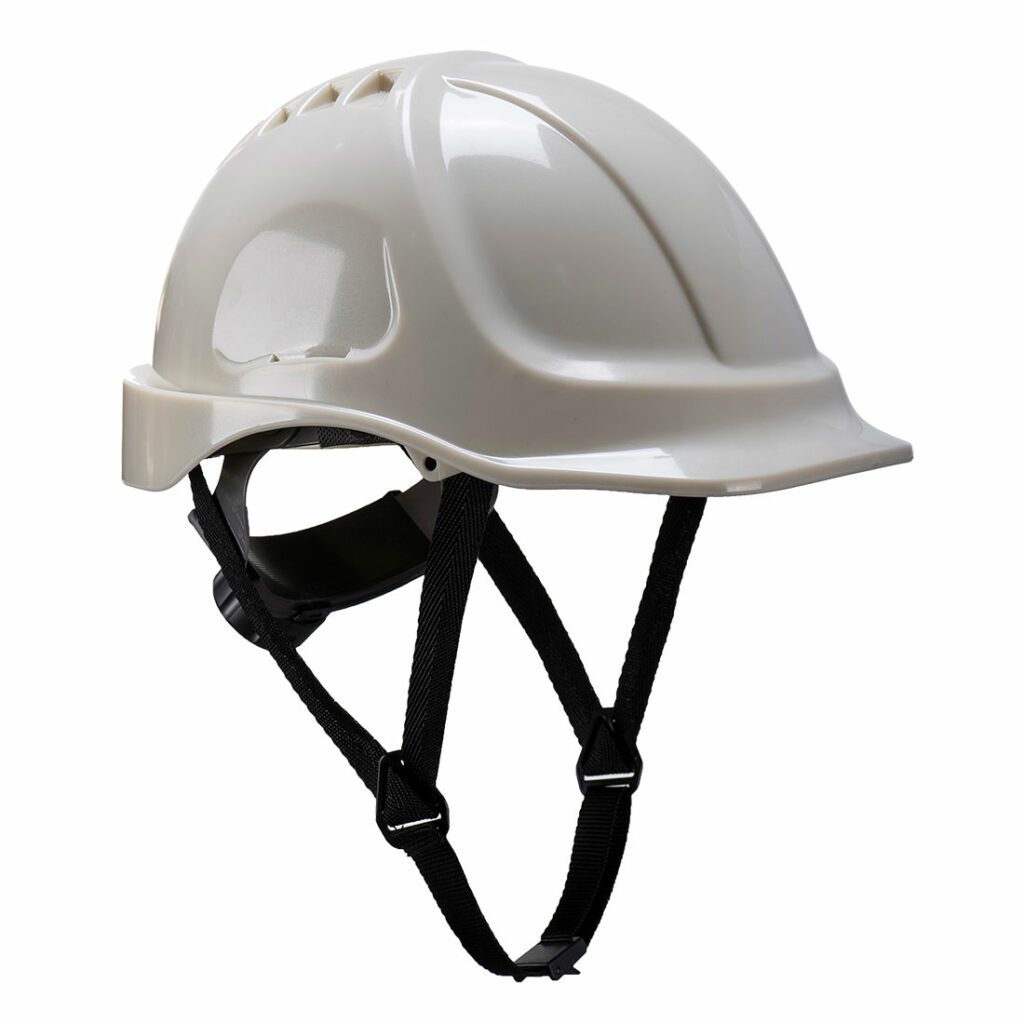
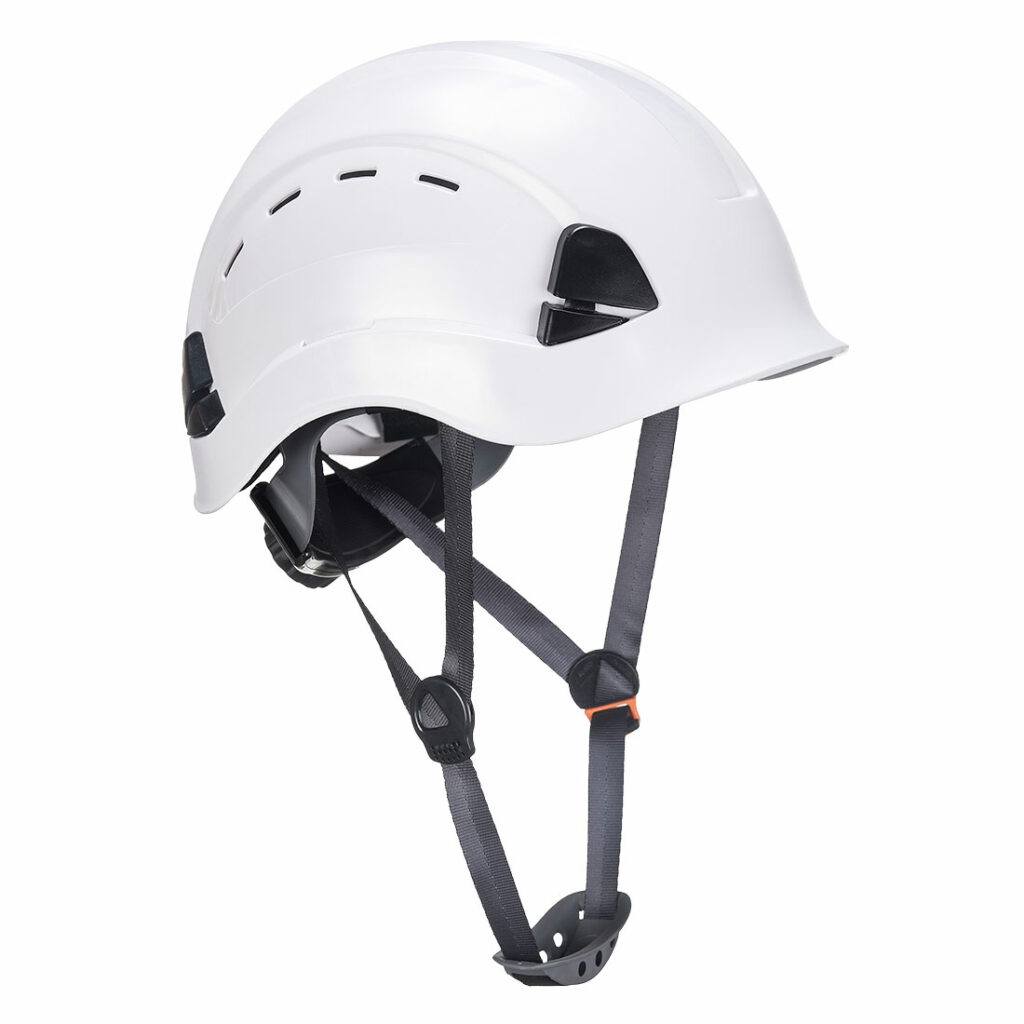
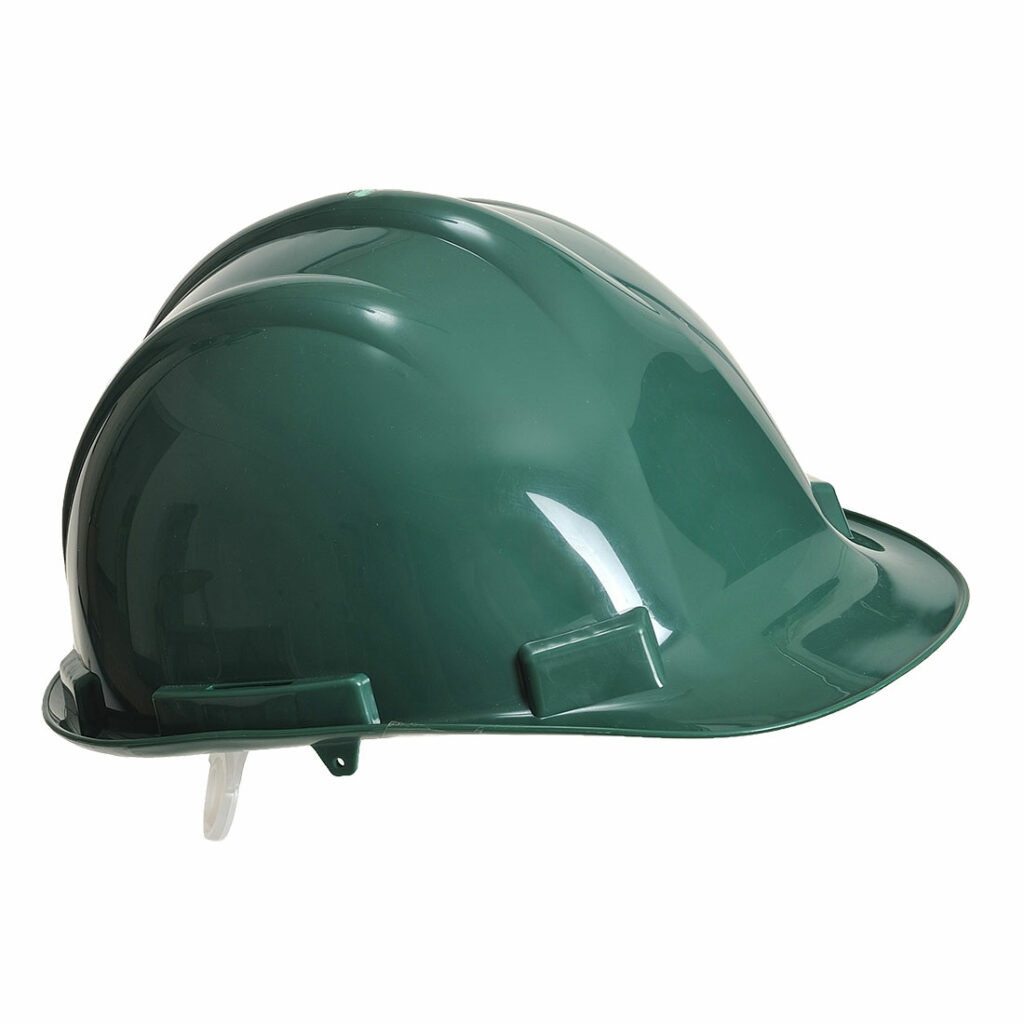
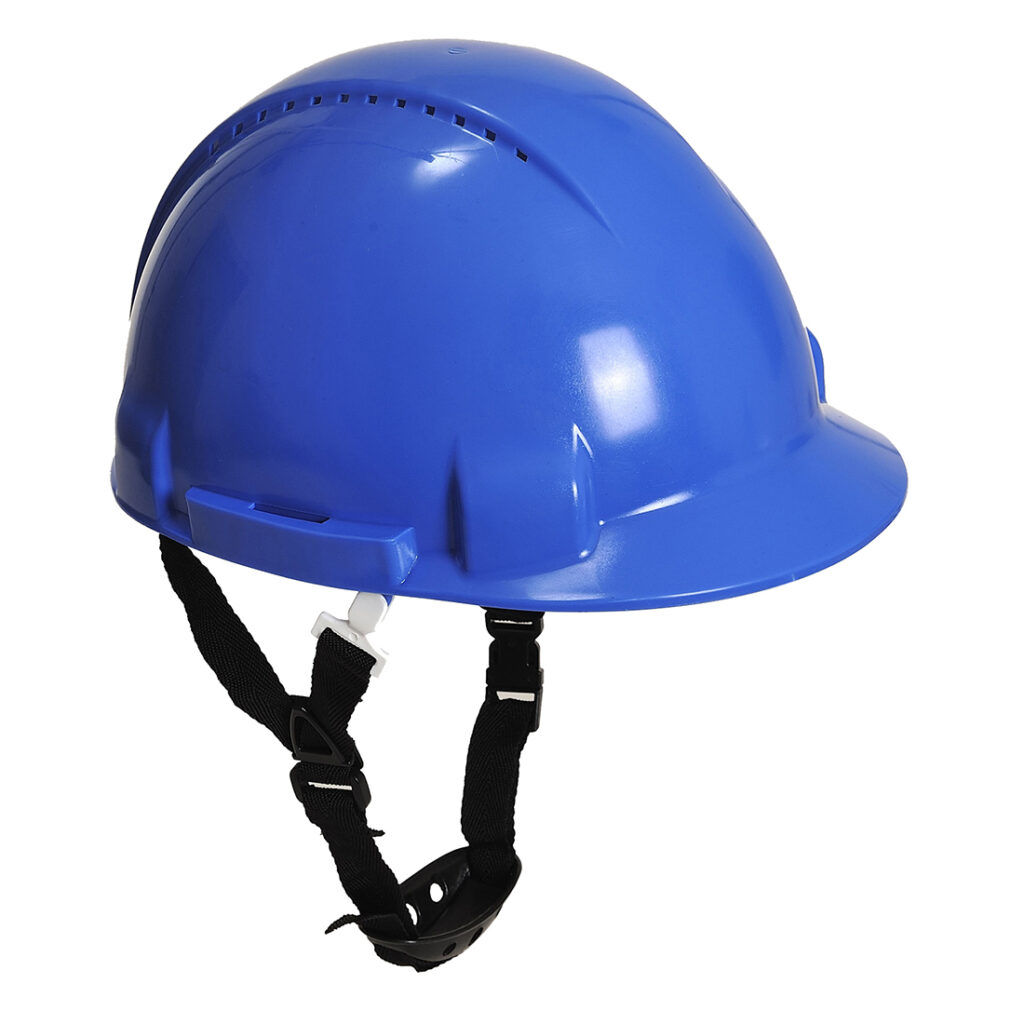
Please be aware that Bump Caps are not suitable replacements for Hard Hats in a construction environment as they are designed for different hazards.
Tripping Hazards
Slips, trips and falls are the most common accident in any workplace. And the construction site is no different. Workers can easily find themselves tripping over loose cables or even falling into holes in the ground that have been dug and not signed or cordoned off correctly.
The level of injuries sustained with this kind of accident can really be anything - it depends on the person, how they fell and how they landed.
Some construction tasks increase these risks significantly. Work involving excavation and drainage, for example, introduces unstable ground, trenches, and water exposure, all of which increase the likelihood of slips and falls - see our guide to PPE for groundworks and drainage conditions for a more detailed breakdown.
Defective Equipment
The pertinent legislation here is The Provision and Use of Work Equipment Regulations 1998
Tools should be regularly tested and maintained. If the tools become defective, it is the owner’s responsibility to oversee the maintenance and carry out the repairs.
Should your staff be injured from faulty equipment, it will be classed as the employer's fault and would leave you liable for the compensation.
Vehicle Accidents
Vehicles and pedestrians need to cooperate, allowing them to circulate safely together. But if a collision does occur between pedestrian and vehicle, or even vehicle on vehicle, there will no doubt be injuries to one or both parties. Not to mention the costs of the repairs needed and potential compensation.
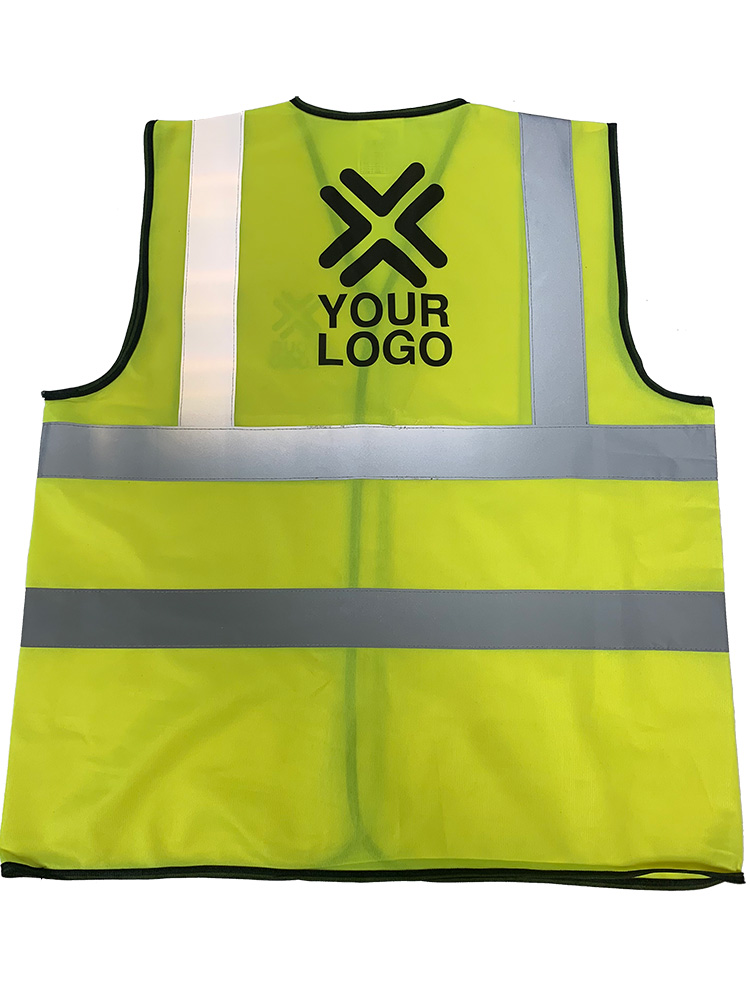
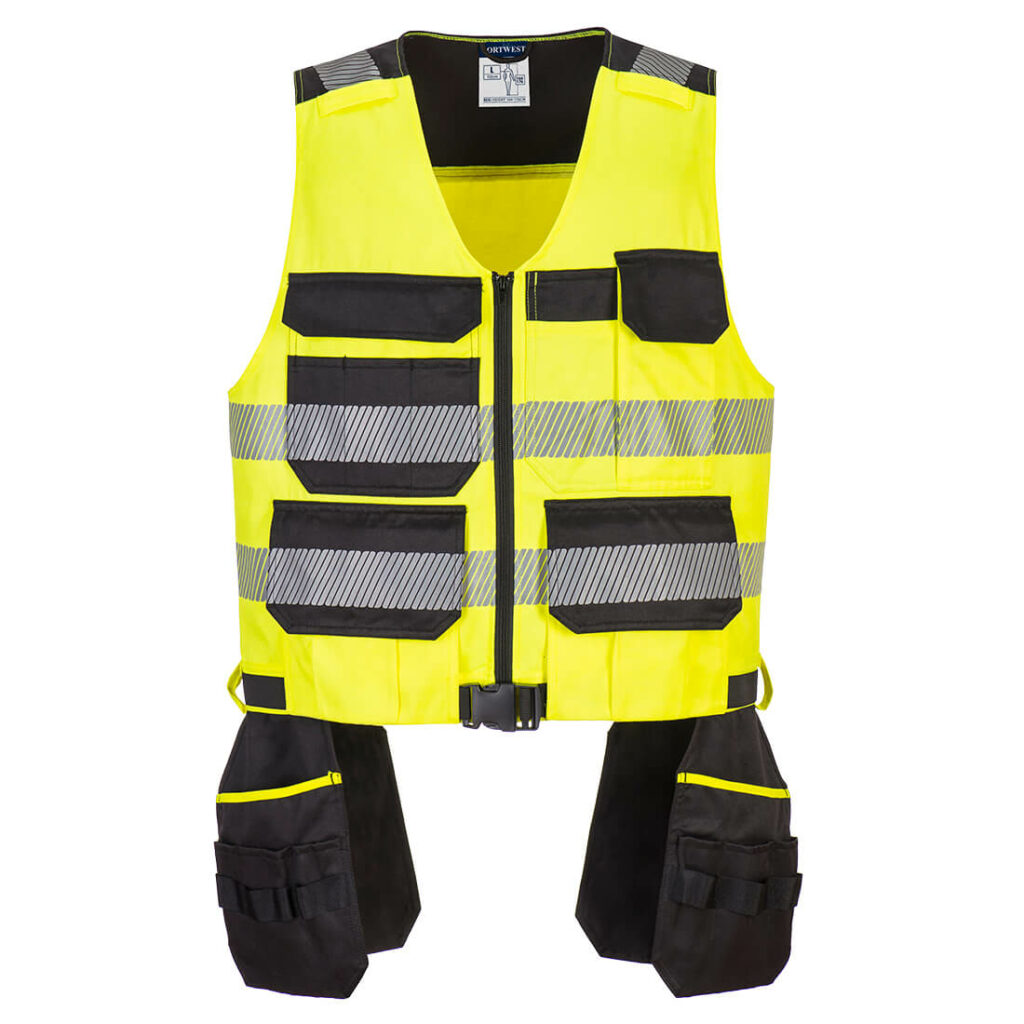
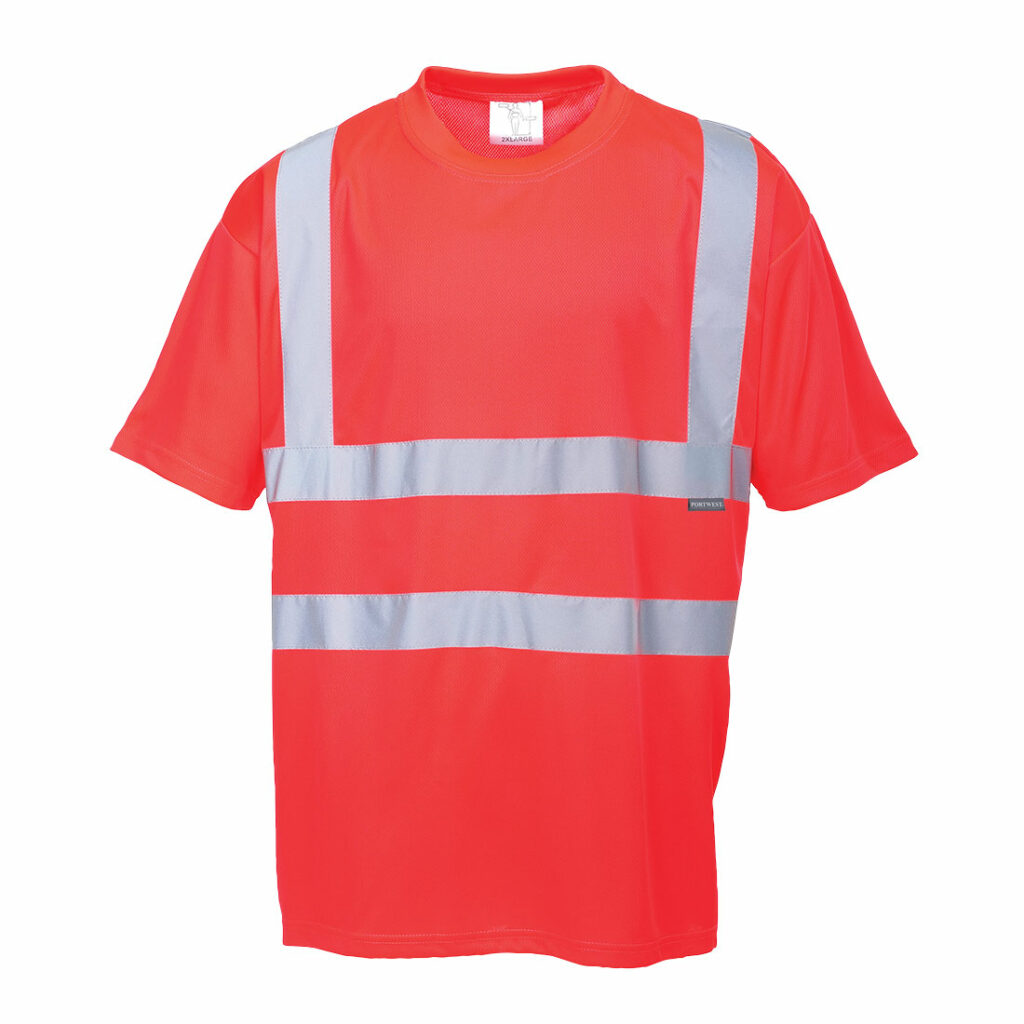
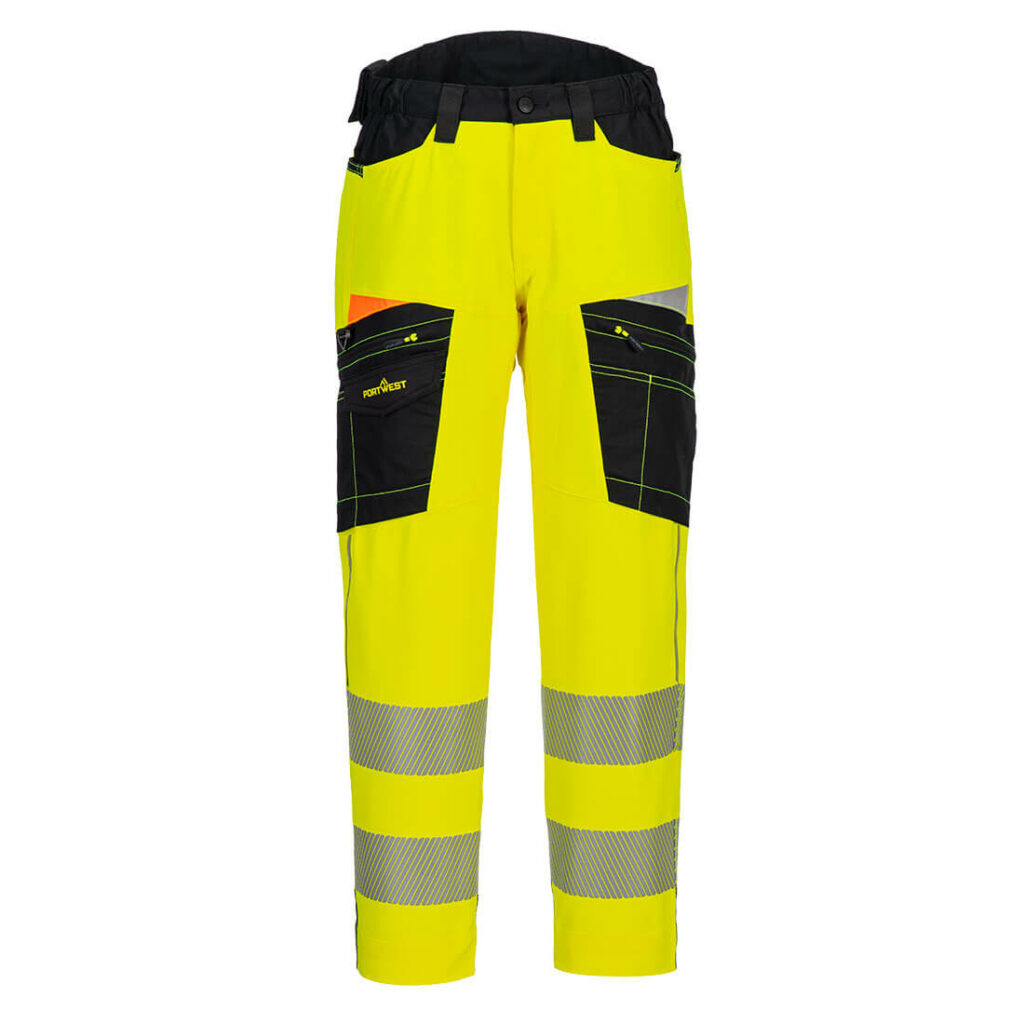
The risks of a moving vehicle striking a worker is the main reason for Hi Vis clothing being mandated on construction sites.
Excessive Noise
Excessive site and tool noise raises a huge cause for long term problems. Tinnitus can develop over time (ringing of the ears) if you are exposed to deafening noise for too long without the correct Personal Protective Equipment (PPE) for noise hazards.
The employer has a duty to check and monitor noise and where possible, reduce it and the length of time exposed to it. If this is not possible, the correct PPE should be bought for the staff.
Vibrating Tool Hazards
Vibration from power tools can also prove to have serious effects on health. It can cause nerve and tendon damage to the hands, arms and wrists which can be extremely uncomfortable, painful or even lead to amputation or paralysis.
Thankfully, advances in technology have cut down on the vibration power-tools transmit to the body and anti-vibration gloves can play a large role in reducing that risk to almost zero.
How to Prevent Construction Site Accidents
Prevention is always better than cure, and it is an employer's responsibility to ensure as many hazards are avoided so far as is reasonably practicable.
Here are some pieces of advice on how to reduce and remove risk on construction sites.
Provide Safety Training
All employees, whether old or new, should undergo regular and thorough training. Your team need to be educated on and be aware of all workplace safety standards and hazards. Employees should not operate equipment that they are not qualified to use.
Policies should be drawn up and revised for every job that you carry out. This written safety policy should include the name and location of a first-aider on the site.
Everybody on site should know who the first-aiders are, as well as supervisors and visitors. BUILD UK created a colour coding scheme for hard hats that makes workers with different roles easier to identify at a distance.
Hold Frequent Crew Safety Meetings
These meetings should be held regularly. Dependant upon on the risk level and size of the job you are tackling, they could even be held daily.
These safety meetings should be short and focused, discussing all the relevant risks and hazards to watch out for on a particular site.
For instance: if you know which day the cement is arriving, or the weather has taken a turn for the worse, you can forewarn your teams. You should probably adjust working schedules to keep the workforce away from those intermittent hazards.
Personal Protective Equipment (PPE)
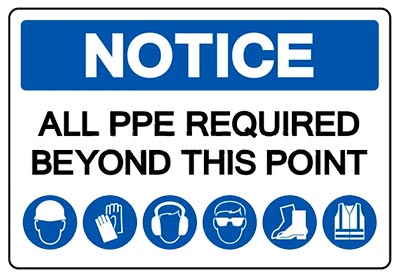
PPE is crucial to keeping construction workers safe and staff should wear the correct protective gear for the job at all times.
Here are some examples of what PPE a construction site worker should be wearing:
Hi Vis clothing will make your workers stand out on-site. Thus, reducing the possibility of an accident and keeping them safe constantly. Find Hi Vis Clothing for all environments Here.
Hard hats are a great way to protect against falling debris. A hard hat is a must on a site where things are being passed from different levels of scaffolding. Find Head Protection and Hard Hats Here.
Gloves are a necessity if your workers are handling and lifting a lot of items on site. A decent pair of rigger gloves can last a long time and go a long way toward keeping workers healthy and safe. More specialist workers would need a more specialist safety glove though (see Vibration hazards above), so do your research. Find Work Gloves Here.
Safety boots with protective toe caps and anti-penetration mid-sole protection are an absolute must. You should understand the rating system for protective Footwear to ensure you are providing your staff with the best possible protection. Find Safety Work Boots Here.
Safety goggles or safety glasses protect workers from flying debris. Debris could be flying from a job somebody else is doing, so it is important eye protection is worn when debris is being created nearby - not just worn by the employee creating it. Find Eye Protection Here.
Ear defenders or ear plugs should be provided to workers who are exposed to excessive noise. Similar concept to the eyewear above, noise is a hazard even from other people's work. Find Hearing Protection Here.
Barrier Creams and effective skin cleansers for washing should be provided, and training given on how and why to use them. Obviously you can't make someone wash and protect their skin, but you can teach them best practice. Find Industrial Skincare Solutions Here.
Sun cream should be provided to those working outside in the summer months although not a legal requirement.
Keep the Work Area Clean & Tidy
Good housekeeping in any work environment is key to safety and efficiency. By keeping your site clean and free of debris, you will lessen the chances of injury and help prevent site accidents such as slips, trips and falls. Make sure that tools are stored away after completing a job and clear walkways.
Hiring a labourer just for keeping a tidy site will help foster a neat and tidy culture on site and work to reduce the risk of accidents as a result.
Prevent Falls
Falls are the leading cause of fatalities in the industry. The installation of fall protection systems, such as guardrails, toe boards, screens, canopy structures or nets, would reduce the number of fall accidents on-site.
If scaffolding is in place, ensure that it is erected properly. Only staff who are fully qualified to erect scaffolding should be doing so. A professional should inspect the scaffolding before work commences on the structure.
It should be inspected every 7 days or if the scaffolding is majorly altered.
For other working at height, you may need safety harnesses, fall arresters and ropes. This can be quite a complicated requirement and is outside the scope of this article and should be discussed in depth with your health & Safety officer.
Recognise the Hazards and Make a Plan
You should inspect the site and point out the various hazards before any work is begun. This will aid your risk assessment and help you be more accurate.
Next, you should list the preventive measures that you are taking to avoid these hazards and mitigate risk.
And finally, incorporate your findings into your staff training and crew safety meetings.
Follow HSE's Guidelines and Report Any Dangerous Working Conditions
Quite simply, do not cut corners.
This increases the risk of putting your staff in danger and potentially your business in hot water. You should report violations of best practice as soon as possible.
If you are unaware of the Law for working on construction sites you can read more here.
Protect Your Team
Many hazards, likes the ones mentioned above, are controllable to a certain extent. However, there are various hazards that are out of your hands or beyond the scope of "so far as is reasonably practicable", as defined in the Health & Safety at Work Act (1974).
Your job as an employer is to reduce the environmental hazards as much as possible, and ensure staff wear the PPE provided to reduce the remaining risks.
Construction site accidents are common, but the majority of the time they are so easily avoidable. Working on a construction site should always be a safe operation. Here’s everything you need to know about the most common type of on-site accidents and how you can prevent them from happening. Most Common Construction Accidents There are […]
Personal Protective Equipment generally goes by the acronym: PPE. It is the equipment that protects its users from health or safety risks. Most specifically, risks you would find in the workplace.
The Ultimate Guide to PPE includes an explanation of all relevant PPE regulations, best practice advice for health and safety officers or those charged with ensuring compliance, and useful resources for extra reading. You will also find examples of each type of PPE with links to more in-depth information.
You can jump to each section using the following links:
- Page Contents
- What is Personal Protective Equipment?
- The Importance of PPE versus other safety measures
- The importance of PPE for protecting against injury
- Workplace PPE Legislation and Regulation
- Regulations for PPE Quality
- Health & Safety Duties of Employers
- Health & Safety Duties of Employees
- Can Employers Charge for PPE?
- Assessing Suitability
- Types of PPE and their importance
- Why XAMAX® Should Be Your PPE Supplier of Choice
- Get In Touch
- Conclusion
Before we start, let's be absolutely clear. This is a workplace safety guide relevant to the UK. When we discuss PPE, we are talking industrial grade personal safety equipment designed to protect workers from the hazards of the workplace - we're certainly not talking about the low quality rubbish you can buy from your newsagent.
What is Personal Protective Equipment?
Workplace PPE is any equipment designed to protect the wearer from any hazard that can not be ruled out through other Health & Safety practices.
That phrase "other Health & Safety practices" is the real key to a safe working environment. PPE is the last line of defence an operative has against the risk of injury or illness from their work. It is no substitute for safe working practice by a well trained employee in a risk managed work environment.
But some element of risk is inevitable in many workplaces, that is where Personal Protective Equipment (PPE) comes in.
As well as providing a safe working space and effective training, employers have a legal duty to provide PPE to employees and ensure its correct and safe usage while at work.
So it would help if you knew what it does and does not consist of...
PPE does include:
- Hard Hats & Safety helmets
- Gloves
- Eye protection
- Hazmat suits
- *Hi Vis clothing
- Safety footwear
- Safety harnesses
- Ear plugs and ear defenders
- Respiratory protective equipment
PPE does not include:
- Work clothing or Uniform not specifically designed to protect the Health & Safety of the wearer
- Food hygiene clothing
- Healthcare hygiene clothing (eg: plastic aprons or surgical masks)
- Protective equipment designed for use on a public road (bike helmets, motorcycle gloves etc)
- Sports protective equipment for use within the sport (although, a life jacket worn by sailing instructor would be PPE)
- Weapons used for defence (but body armour worn by the Police or Military would be classed PPE)
- Portable devices used for detecting risk (eg: Carbon Monoxide Detectors, Giger counters etc)
- The cloth/paper face coverings at your local petrol station - as they aren't designed to protect the wearer.
*There's a Caveat for Hi Vis as Personally Protective Equipment. Read More Here
The Importance of personal protective equipment related to other measures
Believe it or not, PPE actually ranks at the very bottom of the workplace risk management pecking order. It is considered a "last line of defence". That does not mean it is not important - everything in risk management is as important as the next item - it just means everything above it must be dealt with before you even consider its use.

Where a hazard cannot be completely controlled and removed to avoid risk of harm altogether, PPE is appropriate for use and would be covered by the PPE regulations.
The reasons for this approach include:
- Only the person wearing the PPE is protected - but if risk is controlled at source, everybody in the vicinity is somewhat protected.
- As PPE can only be effective when it is properly used - that is fitted correctly, well maintained and worn when required - so it is impossible to assess the true level of protection it gives.
- Workers may be restricted or limited by using PPE - for instance a pair of Goggles may impair vision slightly, a large leather apron may impair mobility, or an air-fed respirator would increase the weight carried, and therefore fatigue, of the wearer.
- Using PPE may give the wearer a false sense of security - the attitude towards, and perception of hazard associated with the job must remain meticulous. Complacency is a major cause of accidents.
- As a last resort of protection, PPE is of critical importance as it is used only when other measures are unable to protect the user from occupational hazards.
The importance of PPE in protecting from injury
The numbers speak for themselves: people get hurt at work and it is preventable. Nobody leaves for work on a morning thinking their life is about to change for the worse, but that is what can happen. Even small injuries affect a workers quality of life, affect mobility or increase stress. That should be avoided by everyone responsible for worker safety.
This infographic provides some key facts and figures:

Workplace Legislation Covering PPE
The use of and necessity for PPE in the UK is required by various acts of Parliament. Contrary to populist belief, UK workers are better protected by UK H&S law than any EU law. We will get to a specific EU law you may have heard about, but we shall start with UK and Great British Law
Here we will outline some of the main points of legislation employers and employees need to understand.
The Health & Safety at Work etc. Act 1974
The Health and Safety at Work, etc Act 1974 Section 2 (1) says:
It shall be the duty of every employer to ensure, so far as is reasonably practicable, the health, safety and welfare at work of all his employees.
This places a general duty of care on employers to ensure the safety of employees. Those not in their employ are also covered by Section 3 (1):
It shall be the duty of every employer to conduct his undertaking in such a way as to ensure, so far as is reasonably practicable, that persons not in his employment who may be affected thereby are not thereby exposed to risks to their health or safety.
This act requires that employers make no charge for anything done in order to comply. Section 9 of the H&S at Work act says:
No employer shall levy or permit to be levied on any employee of his any charge in respect of anything done or provided in pursuance of any specific requirement of the relevant statutory provisions.
As such, employees must not be charged, either in advance or by a dock in wages, for their use of PPE or any other item required to keep the employee or those in the workplace safe from hazards.
The Management of Health and Safety at Work Regulations 1999
This UK Legislative Regulation requires both employers and self-employed people to carry out "suitable and sufficient risk assessment" for all work activities for the purposes of understanding and deciding what measures are necessary for safety.
Section 3 (1)(a)&(b) covers employers, and says:
- (1) Every employer shall make a suitable and sufficient assessment of —
- (a) the risks to the health and safety of his employees to which they are exposed whilst they are at work; and
- (b) the risks to the health and safety of persons not in his employment arising out of or in connection with the conduct by him of his undertaking
for the purpose of identifying the measures he needs to take to comply with the requirements and prohibitions imposed upon him by or under the relevant statutory provisions and by Part II of the Fire Precautions (Workplace) Regulations 1997.
Section 3 (2)(a)&(b) covers self-employed workers, and says:
- (2) Every self-employed person shall make a suitable and sufficient assessment of —
- (a) the risks to his own health and safety to which he is exposed whilst he is at work; and
- (b) the risks to the health and safety of persons not in his employment arising out of or in connection with the conduct by him of his undertaking
for the purpose of identifying the measures he needs to take to comply with the requirements and prohibitions imposed upon him by or under the relevant statutory provisions.
Any person made responsible for carrying out a risk assessment needs to identify any potential risk or hazard arising from the work activity and establish precautions and safety measures available to protect people from harm.
Providing PPE is legitimate where there is a presence of hazards causing risk to workers or others BUT it should only be applied once other measures have been taken to remove, reduce or isolate the hazard, yet a hazard remains.
Personal Protective Equipment at Work Regulations 1992
Regulation 4 of this legislation makes it absolutely clear that employers must provide suitable PPE for employees exposed to health and safety risks except "where and to the extent that such risk has been adequately controlled by other means which are equally or more effective". A similar duty applies to self-employed workers with regard to supplying PPE for their own use and is covered within the same regulation:
- (1) Every employer shall ensure that suitable personal protective equipment is provided to his employees who may be exposed to a risk to their health or safety while at work except where and to the extent that such risk has been adequately controlled by other means which are equally or more effective.
- (2) Every self-employed person shall ensure that he is provided with suitable personal protective equipment where he may be exposed to a risk to his health or safety while at work except where and to the extent that such risk has been adequately controlled by other means which are equally or more effective.
- (3) Without prejudice to the generality of paragraphs (1) and (2), personal protective equipment shall not be suitable unless—
- (a) it is appropriate for the risk or risks involved and the conditions at the place where exposure to the risk may occur;
- (b) it takes account of ergonomic requirements and the state of health of the person or persons who may wear it;
- (d) so far as is practicable, it is effective to prevent or adequately control the risk or risks involved without increasing overall risk;
- (e) it complies with any enactment (whether in an Act or instrument) which implements in Great Britain any provision on design or manufacture with respect to health or safety in any relevant Community directive listed in Schedule 1 which is applicable to that item of personal protective equipment.
PPE regulations affecting importers, distributors and retailers
Now, over to Brussels...
You may have heard of a fairly recent EU regulation on PPE that came into effect in 2018: it has a very long winded name:
REGULATION (EU) 2016/425 OF THE EUROPEAN PARLIAMENT AND OF THE COUNCIL of 9 March 2016 on personal protective equipment and repealing Council Directive 89/686/EEC
This regulation does not concern the use of PPE at all. In fact, its only purpose is to standardise the quality of PPE on the market to protect consumers and ultimately workers from non-compliant safety equipment.
The regulation only affects importers, distributors and retailers. This group now shares the responsibility of providing safe and effective PPE products with the manufacturers. Everyone in the PPE industry is legally required to comply.
This EU health and safety legislation on PPE replaced the 25-year-old Council Directive in order to better reflect how PPE is manufactured and brought to market in the 21st Century. This was approved and became official on 31st March 2016 - becoming Law on 21st April 2016 - leading to all EU member states adopting the legislation.
Full enforcement began on 21st April 2018 as the old PPE Directive was repealed and all Personal Protective Equipment must now be certified to the new Regs.
You will notice it is now a "Regulation" and not a "Directive" - this significant change makes it a binding legislative act rather than just a target for EU countries to achieve.
By becoming an international law, all Europeans are getting safer and more appropriate PPE.
And post-Brexit, the UK is keeping that legislation.
Key Changes in Responsibility
All companies that trade in PPE - be those producers, importers, suppliers, distributors, marketers or sellers - now have the same responsibilities as the original manufacturers. This includes ensuring it conforms to regulation and keeping records of all technical files.
This regulation had the desired effect, and now much fewer fake and under-specification PPE product has reached the EU marketplace, and the UK in particular.
Other Changes
- Product categorisations are now related to risk
- Certain product categories now have a different classification; eg: Hearing Protection, now 'harmful noise' has been moved from category II to III
- An "EC Declaration of Conformity" must now be provided with each product sold - a URL or web link to documentation is sufficient.
- All EU Certificates now have a 5-year validity and/or expiry date
- An Increase in obligations of "economic operators", meaning the entire supply chain: manufacturers, importers and distributors etc (see above)
PPE will not satisfy the suitable requirement unless:
- It is appropriate for the risks and the conditions at the place of work
- It takes the ergonomic requirements and the state of health of the person who may wear it into consideration
- It fits the wearer correctly if worn as designed
- It prevents or adequately controls the risk, without increasing overall risk - So Far As Is Reasonably Practicable
- It complies with community directives (i.e. CE marked)
The Regulations also require that:
- If multiple items of PPE need to be worn, then all items need to be compatible with each other and the law.
- PPE items must be properly assessed before they are used to:
- ensure suitability for its purpose
- to assess all risks the PPE is required to control
- PPE is maintained in good working order and in good repair.
- Appropriate storage is provided for when the PPE is not in use.
- Employees are provided with training on the risks the PPE will prevent or limit, the reasons for using the PPE, the correct way to use it effectively, the actions required to keep it in good order.
- Employers must take steps to ensure the PPE is used correctly by their employees.
- Employees also have a duty to use PPE in accordance with their training, report loss or defect and to store the PPE as instructed.
- Self-employed also now have a duty to make full and proper use of PPE.
The Regulations do not apply where there is over-riding legislation for the provision and use of PPE in relation to specific hazards. Such as:
- The Control of Lead at Work Regulations 2002.
- The Control of Asbestos Regulations 2012.
- The Control of Substances Hazardous to Health Regulations 2002 (as amended)
- The Control of Noise at Work Regulations 2005 (as amended).
- The Ionising Radiations Regulations 1999.
The Health & Safety Duties of Employers
Personal Protective Equipment is the last line of defence, so employers need to work to reduce workplace hazard and risk by other means first. PPE should be provided to employees where a health and safety risks cannot be adequately controlled by other means.
Where risks cannot be generally controlled, PPE must be provided and must:
- Be appropriate for the risks and for the working Environment.
- Be appropriate with regard to the user’s health, size & shape and be compatible with any other PPE that needs to be worn.
- Give sufficient control over the risks created by the hazard, without inflating other risks surrounding the worker.
- Made available free of charge when supplied within the work environment for work related Health & Safety.
- Be maintained and stored correctly.
- Satisfy the relevant laws and legislation regarding the manufacture, import/export and supply.
It is also recommended that employers:
- Consult the wearers of PPE before items are supplied, as workers know best what is needed for their tasks and their working environment.
- Maintain records of PPE items issued, including:
- Who received it
- Who supplied it
- The date of issue
- The date of replacement or maintenance
All humans are equal, but we are different. There are differences in physicalities of every worker, so there is no "one-size-fits-all" when it comes to PPE. Gender, Ethnicity, Lifestyle and even Age can all have an affect on the shape and size of PPE that's needed to protect the wearer - it stands to reason that different sizes and types of PPE must be made available for the workforce.
PPE should be adjustable and appropriate and you should seek advice should there be any medical condition that could affect the usage.
For respiratory protection that is designed to seal against the face, each employee will need a proper face fit test to ensure the correct shape for their face.
Training and information will also need to be provided. In providing this the following details should be included of:
- The risks the PPE is designed to prevent, avoid or limit
- The correct way in which to use the PPE
- Checks to be performed by the wearer to ensure correct usage
- Maintenance procedures to ensure maximum protection from the PPE
- Action to be taken by the employee should the PPE not be suitable for use
When an employer provides an employee with PPE training, they should ensure it is fully comprehensible, taking into account literacy and language. It should cover the practive of using their PPE as well as the theory behind it so that all users have a full understanding of when, why and how to use their PPE.
Employers need to demonstrate the correct use of PPE, or at least organise demonstrations, with regular training to refresh workers. This part of the legislation is dependant on the PPE being used. There isn't much training you can give for a hi vis vest, but for a harness for working at height more training would be required.
Although it's illegal for suppliers to sell PPE that doesn't conform and carry the relevant CE mark, it is still up to employers to make sure that the PPE supplied conforms. So simply give every delivery the quick once over to make sure.
Any PPE used must be in full working order, properly maintained and used within manufacturer's guidelines and instructions. It is the responsibility of the employer to ensure this happens, so a system of maintenance and monitoring should be made policy within your business. The end goal of this policy is to ensure periodic checks and records of testing and replacement.
There should always be a stock of proper CE marked spares incase PPE is damaged or detective. Any repairs made should be done by someone competent to do that work. Any items awaiting repair should be clearly marked as defective and stored away from usable PPE.
As part of the policy of checks and maintenance, you should include a system for employees to report and missing, lost or defective PPE so you can have them replaced quickly.
There should also be a system by which employees can report missing or lost items of PPE and arrange for them to be replaced.
The Heath & Safety Duties of Employees
Employees are required by law to use and personal protective equipment as directed. It must be used exactly in accordance with the information, training or instructions they have been given.
They must store PPE properly in a defined storage area unless agreed with their employer. They must look after and maintain it correctly and immediately report any defects, damage or loss to their employer.
Can employers charge employees for PPE?
Employees must not be charged for their PPE, either initially or when replaced. It doesn't matter if it can be returned and reused or is a one-off use item. It must be provided free of charge by the employer. This includes agency workers if they are legally considered to be employees.
When an employee leaves their job for whatever reason, they should return any and all PPE back to their employer. If they fail to do so, the employer is allowed to deduct the cost from their final wages - but only if that is specified in the employment contract.
Assessing what PPE is suitable
Not all PPE is created equally. Different hazards require different types and levels of protection, so it is vital the correct PPE is chosen based on the unique hazards found in your workplace.
To make an adequate assessment of the suitability of PPE, you should ask yourself the following questions:
Is this piece of PPE appropriate for the unique hazards and the conditions of the workplace where the worker could be at risk?
For instance; protective eyewear designed to protect against sparks and debris from cutting or grinding steel would not be be appropriate for use in a chemical lab.
Is this item of PPE adequate to effectively reduce, completely prevent or control the specific risk in my workplace without increasing risk to other hazards?
For instance; a pair of safety boots may be needed to protect toes from falling objects, but if the wearer is working on a slippery surface, those boots would need anti-slip ratings to reduce the risk of falling objects without increasing the risk of slips and falls.
Does this PPE fit the wearer correctly?
For instance; respiratory protection will need "fit testing" to ensure a good seal to the wearers face. If it doesn't fit properly, it doesn't provide any protection.
Have any specific needs of the wearer been considered?
For instance; If a worker has ongoing ear issues, such as an infection or Temporomandibular disorder (TMD), it would be detrimental to their health and recovery for them to wear ear plugs. As such, ear defenders would be more appropriate.
If the hazards require two or more items of PPE, are they compatible with each other?
For instance; the worker will be cutting and grinding galvanised steel and would need eye protection, hearing protection and respiratory protection. A respirator may prevent safety goggles from fitting correctly, and safety spectacles may prevent ear defenders from fitting correctly. As such, a full face shield and ear plugs, or a full face shield with attached ear defenders would be more appropriate.
What are the requirements of the job and it's demands on the worker?
If in doubt, always ask a BSIF registered Safety Supplier like XAMAX®, we'll keep you on the right path.
What are the Different Types of PPE and why are they important?
The workplace has various hazards and each hazard type has it's own category of PPE. The HSE provides general guidance and information on the types of industrial PPE, but it doesn't cover specialised safety items.
You should always get detailed information for your PPE supplier for any specialised item, and the users should be involved in the selection of the equipment they will wear. If possible, multiple models of each item should be made available to ensure a correct fit.
We've already covered the fact that any PPE used must be appropriate for the risks and hazards, but what are the different types of PPE?
The types of protection set by the Health and Safety Executive (HSE) in the UK are:
- Click to jump to section
- Eye & Face Protection
- Hand & Arm Protection
- Head & Neck Protection
- Respiratory Protection
- Hearing Protection
- Safety Footwear
- Body Protection
Whilst choosing the equipment you need is important that workers wear PPE designed for their specific workplace hazards. If they don't, life changing injuries can occur. A properly completed risk assessment will identify the types of hazards and risks in your workplace. A properly designed safety policy will ensure everyone stays safe.
Why is Eye and Face protection important?
Eye and Face PPE is intended to provide protection for eyes against impact, cuts, splashes, mists and sprays. The standards you need to look out for are BS 7028 (Guide to Selection of Eye Protection for Industrial and Other Uses) and BS EN 166 (Specification for Eye Protectors).
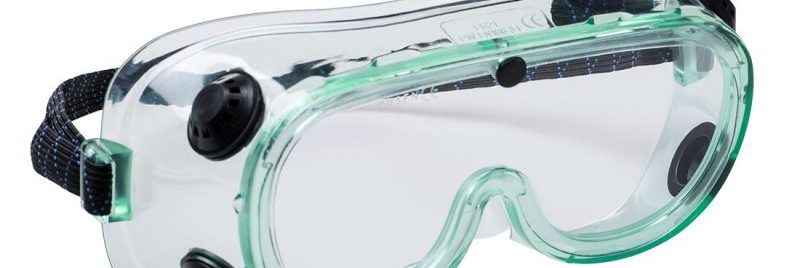
All eye protection should be kept in good order and be cleaned regularly, as dirty safety lenses lead to poor vision which may be a contributing factor in workplace accidents.
Should lenses be scratched, pitted or cracked they need to be replaced immediately.
If workers normally wear corrective lenses, any eye or face PPE should accommodate them. E.G. Safety goggles should be large enough to fit over the top of normal eye wear, or safety spectacles should be fitted with protective prescription lenses designed for that specific wearer.
According to Manchester Royal Eye Hospital and Manchester University, in 2019:
- 90% of all eye injuries were preventable.
- 60% of injured workers were not wearing any PPE.
- 40% of injured workers were not wearing the correct type of eye protection.
Protective eye equipment is one of the most important and widely used pieces of PPE. As the old adage goes: you only get 1 pair of eyes
See a range of Eye and Face Protection products here
Why is Hand and Arm protection important?
Almost all work tasks need a certain level of dexterity. There aren't many jobs that don't just the hands and in industry, that exposes our most valuable tools to a range of hazards and risks.
Cuts, abrasion, laceration, chemicals, vibrations, infection, heat, cold, burns, irritation, dermatitis, de-gloving - not a dance card anyone want's to fulfil.
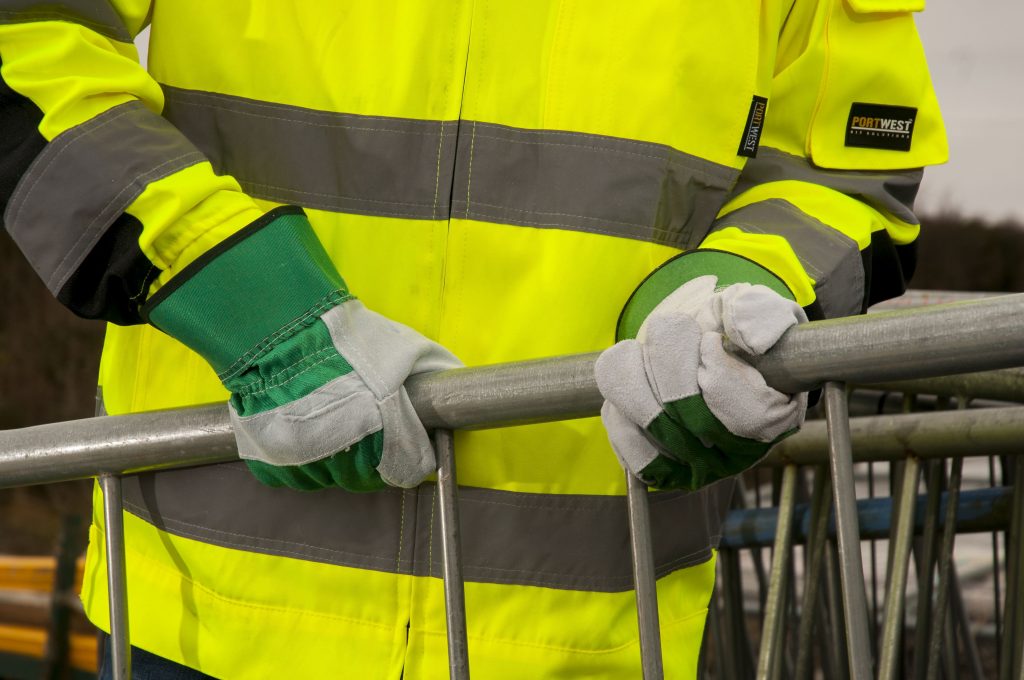
After the hierarchy of control measures has been followed, gloves, gauntlets, mitts, cuffs and sleeves provide hand and arm protection against a multitude of hazards.
Normal manual handling would be the lowest form of risk, where abrasive or sharp objects create a hazard. Not to mention the constant action of objects against the skin causing blisters. For these kinds of light hazards, you should offer workers a standard manual handling glove, such as a rigger glove, or perhaps a grip glove to aid their work.
Some hazards far exceed those a warehouse operative may encounter. For instance:
A pneumatic hammer operator would risk vibration white finger from the constant vibrations. Anti-vibration gloves would be suitable hand protection in this case.
A line butcher would be at constant risk of a severe injury from a sharpened blade. high level cut-resistant gloves and a cut sleeve would be suitable.
A cold store worker would be at risk of frostbite. Thermal handling gloves would be necessary for the worker's safety.
This is clearly a non-exhaustive list and the type of hand and/or arm protection you or your staff need is specific to the work you do.
Remember though: Gloves should not normally be worn if there is a risk of them being caught in machinery.
See a range of Hand & Arm protection products here
Standards to look out for:
- The safety standard specifications for protection against mechanical hazards is BS EN 388
- The safety standard you should adhere to for gloves and sleeves to protect against cuts is BS EN 14328.
- The safety standard for gloves that protect against heat and/or fire is BS EN 407.
- The safety standard for protection against cold hazards is BS EN 511.
- The safety standard for hand protection against chemicals and micro-organisms is BS EN 374 Part 1
There has been a steady increase in workers contracting contact dermatitis according to the HSE. Carpal tunnel syndrome, Vibration white finger and digit amputation are also serious risks in many trades.
The right kind of safety gloves or sleeves protect your hands and arms from all sorts of injuries, from the slightly annoying to devastating and life changing: abrasions, extreme temperatures, cuts, punctures, electric shocks, chemicals, vibrations and more.
Why is Hearing protection important?
Hearing loss is a serious detriment to quality of life, as is Tinnitus, and in most cases it is absolutely avoidable. Do you want to retire deaf? No, of course not, and neither does anyone else.

You should know if workers need personal ear protectors or not after carrying out a risk assessment under the Control of Noise Regulations 2005. This will also tell you the noise attenuation (dampening) you'll require.
You're looking for BS EN 352 Part 1 as the relevant hearing protection standard. You can learn more about how to choose the correct hearing protection in our guide here.
You should select protectors that are suitable for the working environment and consider the wearer's comfort and especially the hygiene requirements. Remember ear plugs go inside the ear, so need fitting with clean hands. If this is not possible, then ear defenders would be more suitable, but only if they can be used with other PPE.
There is no hierarchy of importance for PPE - all PPE is important (the hierarchy is for control measures). The temptation to go without hearing protection because hands are dirty and ear defenders won't fit under hard hats is not acceptable, solutions must be found, and indeed, exist. It is the employer's responsibility to provide correct and useable PPE and enforce its use.
Employers should provide a range of hearing protector types to allow employees a choice depending on the work they do or even a personal preference.
See a range of Hearing protection products here
The exact required noise attenuation calculated during the risk assessment is hardly ever possible to achieve, so it is important that hearing protection is over specified in these cases. there is no "Close enough".
For all hearing protector types, there will be a need for at least some training for the workforce. Ear plugs seem simple to use but can be used incorrectly, which is akin to not using them at all. Ear defenders require maintenance and appropriate care in use. It may even be that your work environment requires both ear plugs and defenders to be used together.
Why is Head and Neck protection important?
A Labour Force Survey (LFS) discovered that 13% of the 5,055 non-fatal construction injuries reported in 2016 and 2017 were due to being struck by falling objects.
In 2018/2019, HSE had 71,062 non-fatal injuries reported, 10% of which were due to being struck by a moving object.
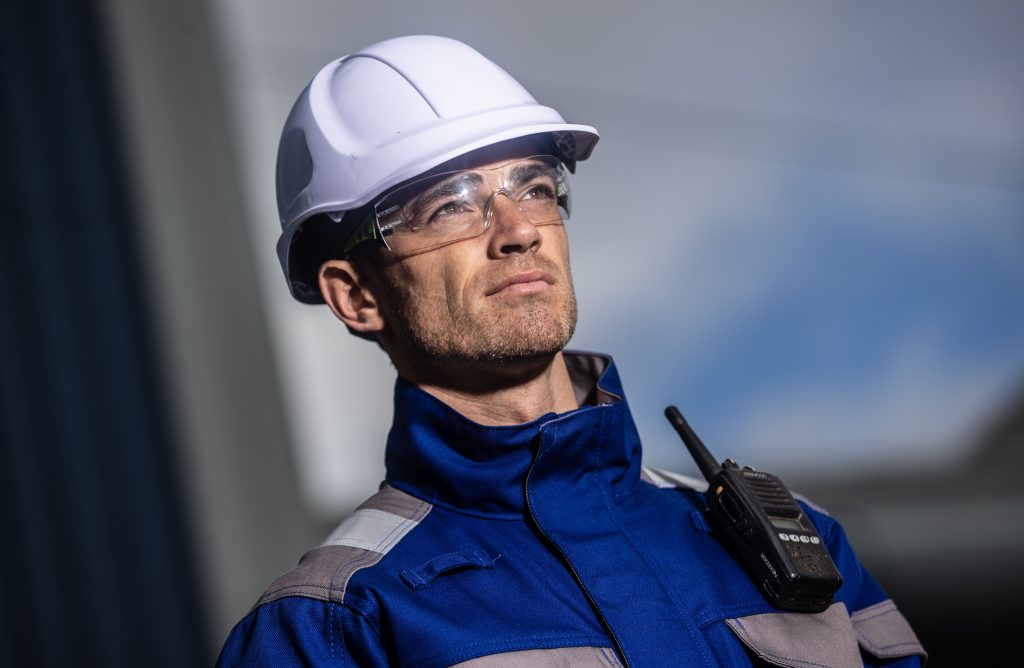
There are five primary purposes of head protection, to protect against specific hazards. Head protection should protect:
- The head in falls;
- Against falling objects, impact with fixed objects, or wielded weapons;
- The head by offering thermal insulation;
- Against entanglement and laceration to the head;
- Against scalping/entanglement particularly on machinery where injuries are still numerous.
See a range of Head protection products here
All forms of PPE for head and scalp protection must fit correctly, have adjustable headbands, nape and chin strap (if appropriate) and be suitable to protect against intended hazards. The relevant standards for head protection you should look out for are BS EN 397 and BS EN 14052.
Hard hats (or Safety Helmets) are designed to protect the wearer from falling or flying objects and from hair getting caught in machinery. They are an integral part of worker protection and the correct type of hard hat must be used. But you must also choose the correct colour hard hat for construction sites.
When the hazrd is overhead but not moving, a Bump cap would be more appropriate PPE. These protect the wearer from "bumps", so are perfect for working under vehicles.
Remember that Hard Hats and Bump Caps do not offer he same levels of protection, have different uses and are not really interchangeable.
Why is Respiratory protection important?
This type of PPE has been in the news a lot recently, you might have noticed.
But all that news has created misconceptions as to what really constitutes respiratory PPE and what really doesn't. We remind you that we're talking industrial and workplace PPE in this guide, so the face cloths and paper towels at 4 for a quid are not going to be mentioned again.
We also won't be talking about the KN95 type masks. There's an article here about why you SHOULD NOT be using those in a workplace setting. Ever.
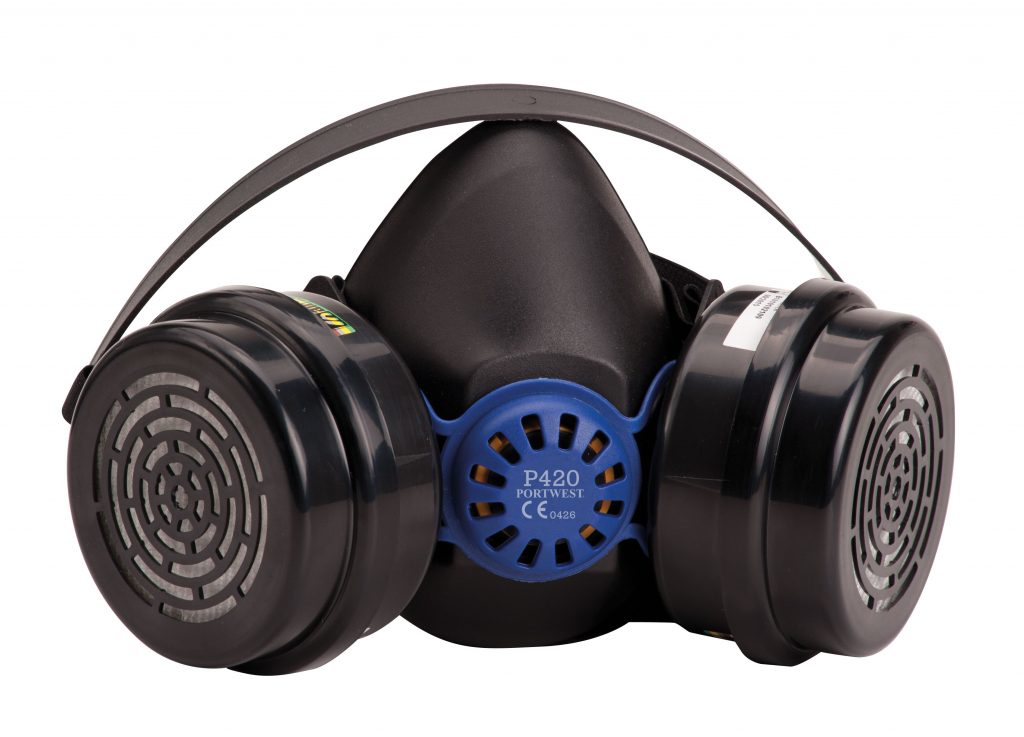
What we will talk about are the FFP1, FFP2 and FFP3 dust masks. We have an in depth and internationally renowned (yes really) article about workplace respiratory protection here, but for a quick overview, read on.
Workplace environments have a great deal of risk and none more prevalent than the particulates in the air you breath. That can range from simple wood dusts caused by sanding to oils, vapours and gases created from more advanced working practices. Some particles and droplets cause almost instant breathing difficulties. Some, such as asbestos, can cause terminal diseases way in the future.
To protect workers from these hazards, employers must provide suitable respiratory protection, designed for the specific risks employees face. FFP1 is the lowest form of protection, so probably wood dusts from sanding and cutting. Not very nice to inhale, but it probably won't kill you.
FFP2 is for finer dusts, perhaps powders such as cement dust, but they also protect against fine oil based vapours and fumes, so would be the minimum recommendation for welders, fabricators etc.
FFP3 is the highest rating available in face mask form. The UK has the highest rating in the world which far exceeds the highest rating the US has (N95). It is used for all dusts, particles, vapours and gases, and utilises electro-static charges to adhere these nasties to the filter fibres.
You'll find FFP2 and FFP3 in disposable and half mask cartridge form. The benefits of half masks are a better fit and long-term cost-efficiency. Before you ask, XAMAX® only sell these masks to businesses that use them for their work - and we WILL ask and check - they are not for resale and certainly not to the public. We have to protect stocks, even now, so we set this policy long ago.
Any worker requiring respiratory protection should undergo a face fit test to ensure the right mask for the face shape. Some compromises may need to be made by the wearer, such as shaving properly to ensure a tight seal, or a different type of hearing protection be worn. However no compromise should be made on the mask itself other than its adjustable elements. If it doesn't fit, get a different size and/or brand.
Another survey of 80,000 construction workers by LFS showed that 3,000 were suffering from respiratory illnesses that were caused by their work.
It was reported by HSE that around 12,000 people a year die from lung diseases attributed to their work lives, with a total of 20,000 cases when including self-reporting.
And so it is essential that workers doing jobs that have any respiratory risk involved are provided with, and wear, the correct respiratory protective equipment (RPE).
See a range of Respiratory protection products here
Remember, the wrong kind of respiratory protection is no protection at all.
Why is Foot and Leg protection important?
In 2016-2017 there were 5,055 non-fatal injuries reported within the construction injury and HSE found the majority of those were caused by slips, trips or falls. Due to there being a variety of debris and waste littering almost every construction site, this makes trip or slip hazards especially common.
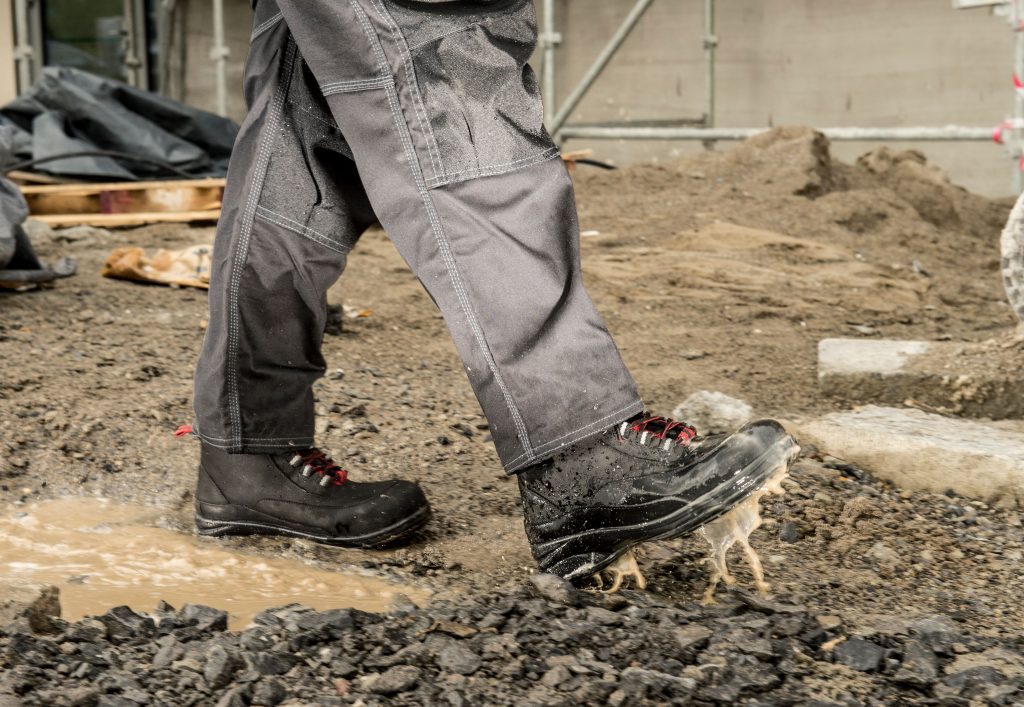
Other injuries were caused by heavy items crushing the feet or legs an from sharp items causing piercing injury. All this could have been avoided if employees were wearing appropriate foot protection to ensuring feet and legs are suitably protected from hazards.
When most people think about foot and leg protection, they think about toecaps, but hazards go beyond the need to just protect the toes.
XAMAX® have created a guide to safety footwear standards, and a guide on choosing the correct safety footwear protection for your role.
Workplace risks against the foot could include slips, piercing, crushes, high or low temperature, electricity, cuts, chopping and even chemicals. Depending on the hazards identified in your risk assessments, you would need safety footwear to offer a multitude of protections - and not just for the feet.
Uneven work surfaces present a hazard of ankle rolling, that could sprain or break the worker's ankle or leg. Weather conditions also present their own individual hazards.
The working ground surface would also present specific hazards. For instance: Groundworkers digging for drainage would need waterproof and high grip boots to prevent slipping and rolling ankles in the mud. Construction workers would need ankle support, sole penetration protection, as well as toe caps to mediate building site hazards.
The safety footwear standards relevant to you would likely be BS EN ISO 20345, which specifies an array of different standards to protect against various different hazards.
If the worker is to use a chainsaw, the standard to look out for is BS EN ISO 17249:2004, which offers chainsaw specific protection.
See a range of Foot protection products here
It is always best to understand the risks workers face in their roles before choosing safety boots, trainers or shoes. There is no one-size-fits-all safety footwear. Different employees may need different types of footwear to ensure their safety, and it is the employers responsibility to provide that footwear.
Knee Protection
Kneepads protect the knees when kneeling and can very much improve the wearers comfort and safety. They come in various forms that either slot into workwear trousers or tie around the mid-leg. You're looking for EN 14404:2004+A1:2010 as the standard for these.
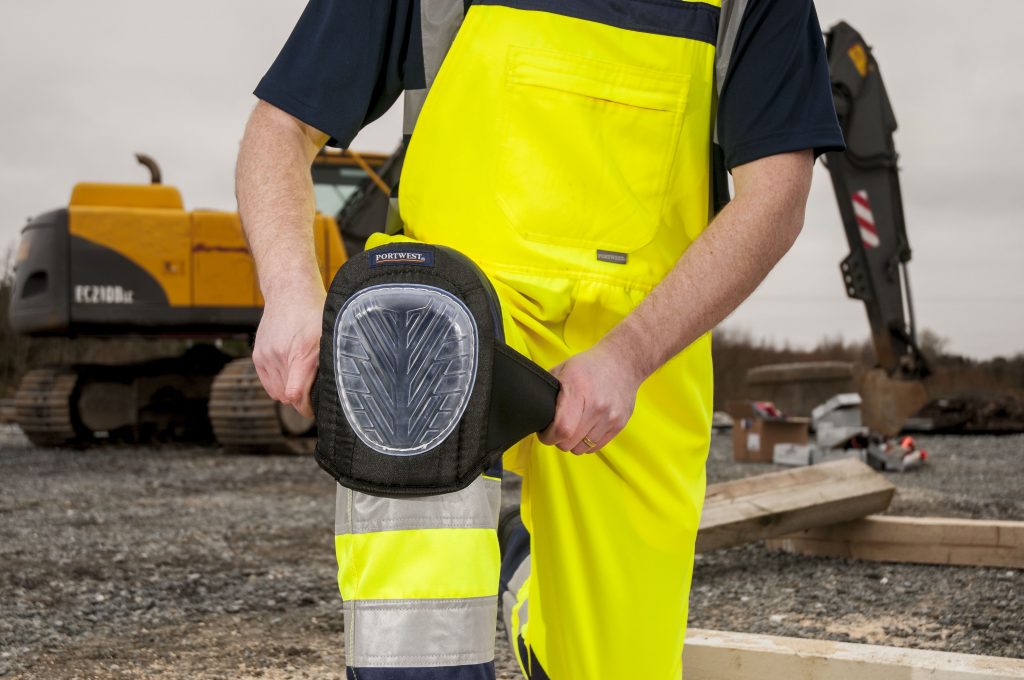
See a range of Knee protection products here
Not all knee protection comes in the wearable form. Some jobs may be better suited to a kneeling mat, especially if wearable kneepads aren't required constantly. As usual, the type of rotection you choose is absolutely dependant on the tasks at hand.
A quick note on Hi Vis Clothing
You may be surprised to find no real mention of Hi Vis in this PPE guide. There is a very good reason for that: Hi Vis is not really PPE. It might protect the wearer from the elements if it's waterproofed, but that is not the purpose of Hi Vis.
Hi Vis is special and needs an ultimate guide all of its own. If you're looking for more on Hi Vis clothing, XAMAX® has a handy guide to everything you need to know about Hi Vis Clothing here.
Why is Body protection important?
Health and Safety regulations exclude common or garden work uniform and workwear that don't offer any specific protection to wearers. But, when working outdoors and especially near vehicular traffic, hi vis clothing is very likely to be needed. That would be the EN ISO 20471 regulations, which we cover in detail here.
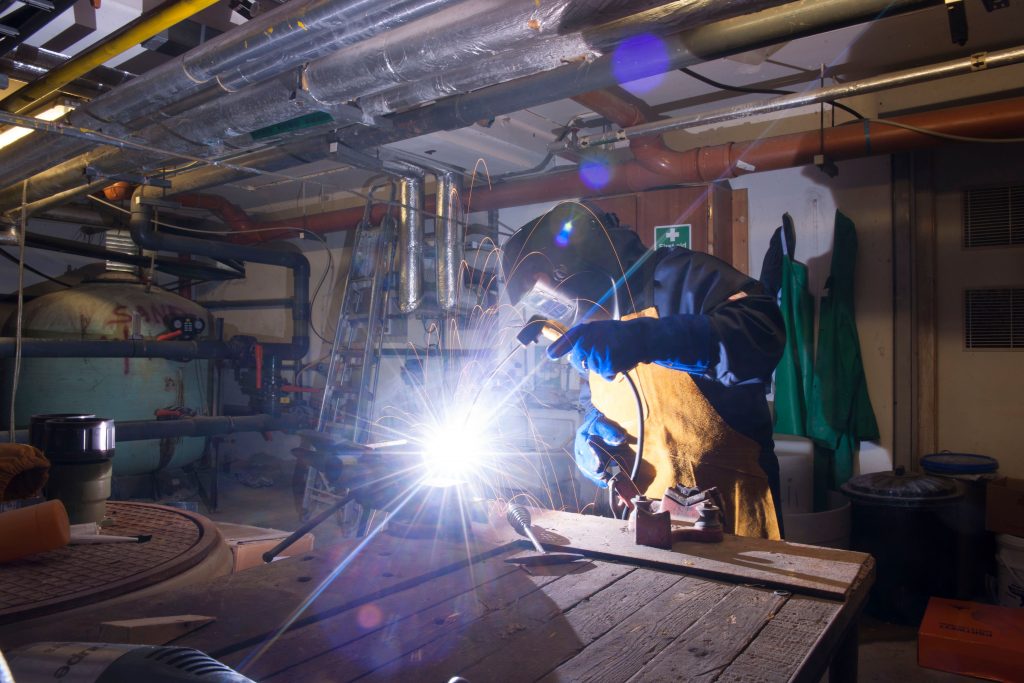
For some working environments, body protection is needed to protect against hazards such as chemical splashes, heat and/or fire, electrical discharge, impact or penetration, pressure leaks and even against the risk of drowning.
For fire and/or heat, you'd be looking at an FR garment (stands for Flame Retardant), probably a coverall. These aren't fire proof per se, but the fabrics they are made from produce a gas at high temperatures that extinguish any flame before it takes hold. Perfect for welders. FR coveralls obviously come at an increased cost. But what cost a life?
FR garment safety standards to look out for are EN ISO 11611 and EN ISO 11612 and their various classes.
Arc flash and static/electrical discharge are common hazards in the 21st century workplace. it's not just electricians at risk. Thankfully garments exist to combat these risks and keep workers safe. Standards: EN ISO 1149 and IEC 61482-2 IEC 61482-1-2 are the ones to look out for.
See a range of protective coverall products here
Many workers are at risk from various different hazards. Manufacturers tend to create body protective garments that cover a multitude of standards to help. For instance, many FR Coveralls also protect against arc flash and/or electrical discharge plus give some chemical protection as well as feature compliant hi vis. You'll pay quite handsomely for that though. You have been warned.
Aprons are another form of body protection used in workplaces from kitchens and restaurants to blacksmiths and fabricators. They all perform a similar job, but to different degrees of intensity. So it's important you choose the right apron for the work the wearer is to do. There are no specific regulations covering these unless they offer specific protections such as flame resistance or chemical resistance. In those cases, you'd probably be better suited to a coverall anyway.
Why XAMAX® Should Be Your PPE Supplier of Choice
When it comes to selecting Personal Protective Equipment (PPE) for your workplace, choosing a reliable supplier is critical. XAMAX® is the go-to partner for businesses seeking high-quality, compliant PPE tailored to specific workplace safety needs. Here's why XAMAX® stands out from the crowd:
Proven Expertise and Industry Trust
For over 30 years, XAMAX® has been a trusted provider of workplace PPE across a variety of industries, from construction and engineering to logistics and manufacturing. We understand the safety challenges faced by different sectors and offer solutions that meet industry-specific needs. As a BSIF-registered safety supplier, we guarantee that all PPE is compliant with UK safety regulations, ensuring your business is fully protected.
Comprehensive PPE Range
We offer a wide range of PPE, covering everything from Hi Vis clothing to protective footwear, gloves, head protection, and more. Our products are sourced from trusted manufacturers and rigorously tested to ensure they meet the highest standards of safety and durability. No matter the type of hazard your workplace faces, XAMAX® has the right PPE to keep your team safe.
Custom Branding Options
At XAMAX®, we understand that PPE is more than just safety—it’s also about representing your brand. That’s why we offer custom printing and embroidery services, allowing you to add your company logo to your Hi Vis clothing or other PPE gear. This helps promote your brand while ensuring that your team looks professional and unified on the job.
Cost-Effective Solutions
XAMAX® is committed to providing cost-effective solutions without compromising on quality. We manage our pricing carefully to ensure you get the best value, whether you’re a small business or a large corporation. By choosing XAMAX®, you’ll save on your safety equipment while still getting top-tier products that protect your workforce.
Fast and Dependable Delivery
We know that delays in receiving PPE can disrupt your operations and put your workers at risk. That’s why XAMAX® prides itself on fast, reliable delivery, ensuring that you get the right gear exactly when you need it. From small to large orders, our team ensures timely deliveries to keep your workplace safe and compliant.
Get In Touch
Ensure your workplace is fully protected with compliant, high-quality PPE from XAMAX®. Whether you need custom-branded Hi Vis clothing or sector-specific protective equipment, contact us today by filling out the form below. Our experts are ready to assist you in choosing the best PPE solutions for your business.
Conclusion
Personal Protective Equipment (PPE) is essential in maintaining workplace safety and reducing the risk of injury.
By ensuring that your team is equipped with the right protective gear, you're not only complying with legal requirements but also fostering a culture of safety within your organisation.
From head protection to Hi Vis clothing, each piece of PPE plays a crucial role in mitigating workplace hazards.
Selecting the right PPE can feel daunting, but partnering with a trusted supplier like XAMAX® simplifies the process. By choosing high-quality, compliant PPE, you’re safeguarding both your workforce and your business from the potentially severe consequences of non-compliance or inadequate protection.
Make sure your team is prepared for the hazards they face by investing in the right PPE today.
Personal Protective Equipment generally goes by the acronym: PPE. It is the equipment that protects its users from health or safety risks. Most specifically, risks you would find in the workplace. The Ultimate Guide to PPE includes an explanation of all relevant PPE regulations, best practice advice for health and safety officers or those charged […]
Personal Protective Equipment (PPE) is essential for protecting workers from risks in a variety of sectors. From construction to healthcare, choosing the correct PPE is vital for avoiding hazards, complying with regulations, and ensuring worker safety. Different sectors present unique challenges, and it's essential the PPE you choose is suited to the particular risks in each workplace.
This article will look at how to select the correct PPE for a variety of sectors, with a focus on essential equipment such as safety hard hats, gloves, boots, respiratory protection, and high-visibility clothing.
- Page Contents
- PPE in Construction
- PPE in Healthcare
- PPE in Manufacturing
- PPE in Agriculture and Forestry
- PPE in Mining and Quarrying
- PPE in Chemical and Laboratory Environments
- PPE in Oil and Gas Industry
- Why Choose XAMAX® for Industry-Specific PPE Needs?
- Conclusion
PPE in Construction
Construction work presents a wide range of hazards including falling objects, sharp tools, and heavy machinery. Workers are frequently exposed to loud noise from drills and saws, as well as hazardous substances like silica dust and chemicals. For example, using tools like power saws can generate harmful dust, and working in areas with moving vehicles adds the risk of impact injuries.
Key PPE:
- Head Protection: Hard hats are essential to prevent head injuries from falling debris. Make sure they comply with BS EN 397 standards.
- Safety Footwear: Steel-toecapped boots with slip-resistant soles and puncture-proof midsoles are crucial for construction workers.
- Hi Vis Clothing: Construction sites require workers to wear Hi Vis clothing (e.g., vests, jackets) that complies with EN ISO 20471 for visibility near machinery or vehicles.
- Hearing Protection: Ear defenders or earplugs are necessary in areas where noise levels exceed safe limits, complying with the Control of Noise at Work Regulations 2005.
- Respiratory Protection: FFP3 masks or respirators are critical in environments with silica dust, cement, or other airborne hazards. Check for compliance with HSE respiratory protection guidelines.
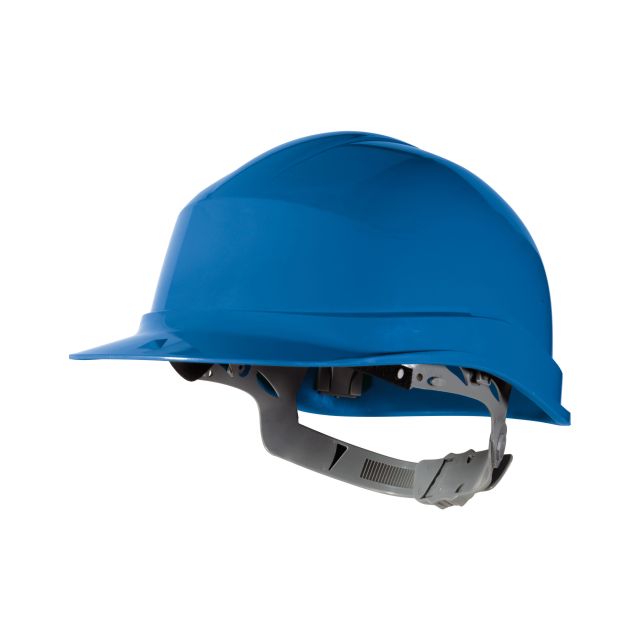
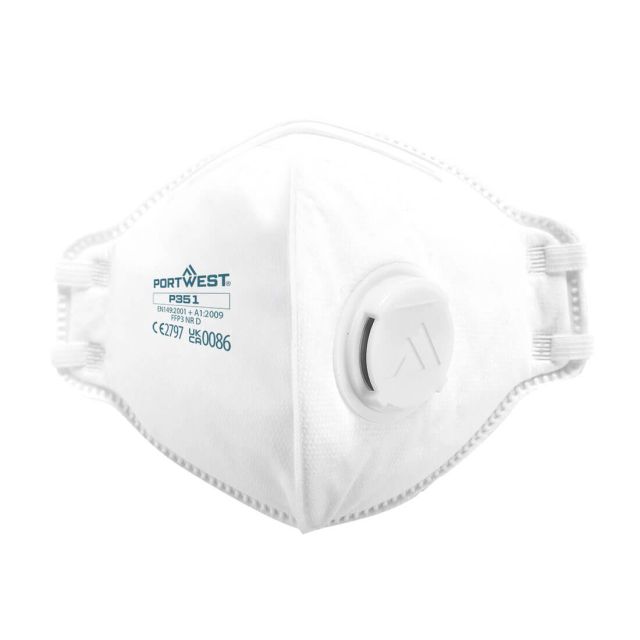
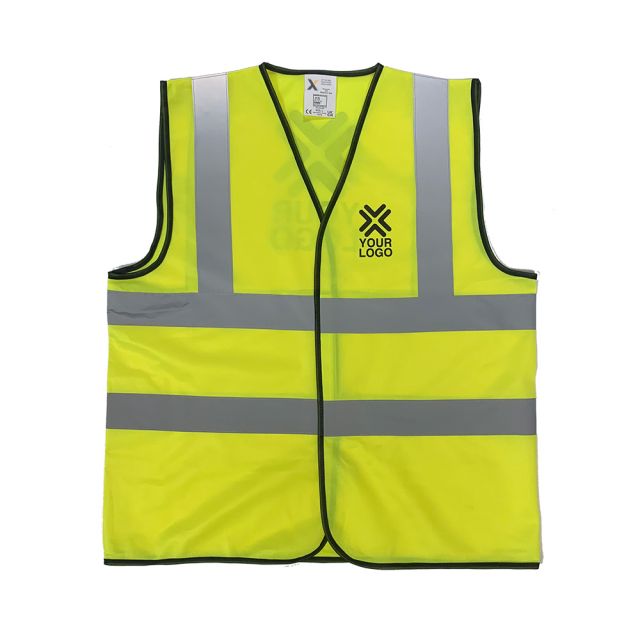
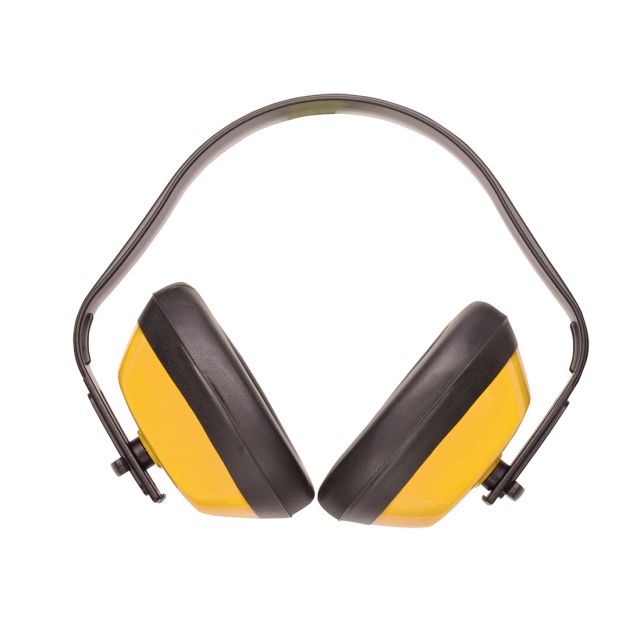
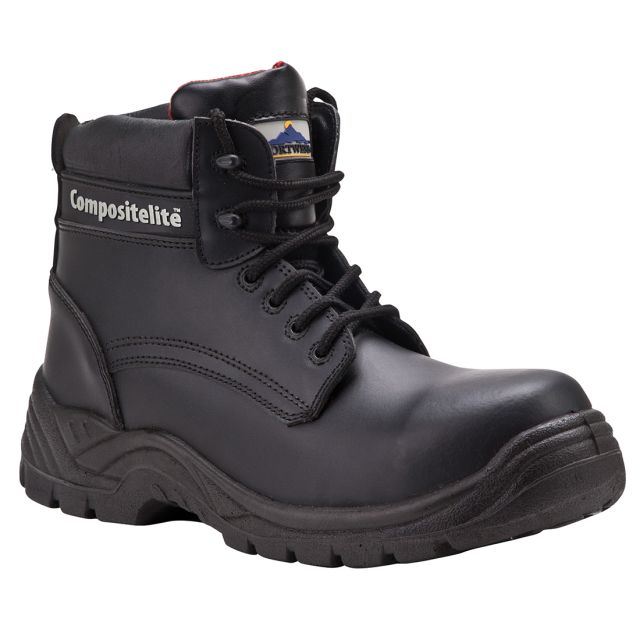
In 2024, an HSE report highlighted that around half of all workplace fatal injuries were in the construction industry. A large percentage of those were due to being struck by a moving object. Wearing PPE such as hard hats correctly significantly reduces this risk.
PPE in Healthcare
Workers in healthcare settings run the risk of contracting infectious illnesses, coming into contact with bodily fluids, and being injured by sharp instruments such as needles. Additionally, the use of chemicals for cleaning and sterilisation could lead to respiratory dangers. Nurses, for example, who treat patients with infectious diseases need adequate respiratory protection to avoid airborne infections.
Key PPE:
- Gloves: Nitrile or latex gloves are essential for handling patients and preventing contamination.
- Face Protection: Surgical masks, visors, and goggles protect against splashes and airborne particles, especially during procedures that generate aerosols.
- Respiratory Protection: FFP3 masks provide respiratory protection in situations with high exposure to airborne infections, such as during respiratory treatments.
- Gowns and Aprons: Fluid-resistant gowns are essential for protecting skin and clothing from infectious materials.
- Safety Footwear: Anti-slip footwear is crucial in environments where floors are frequently cleaned or spills are common.
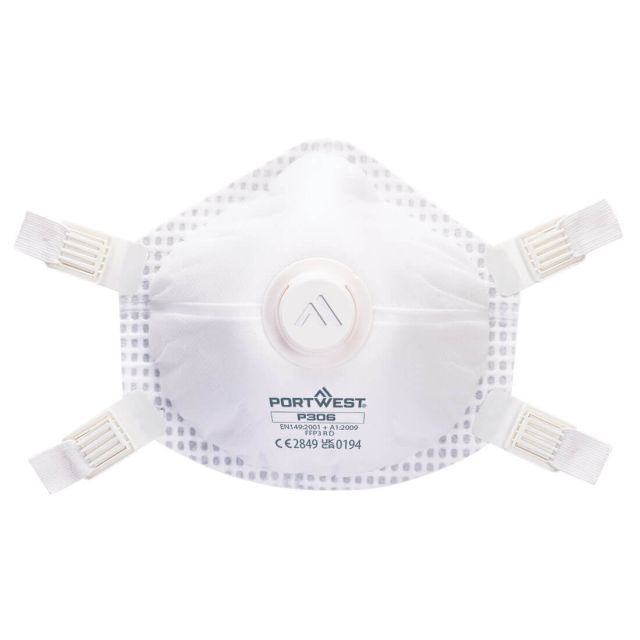
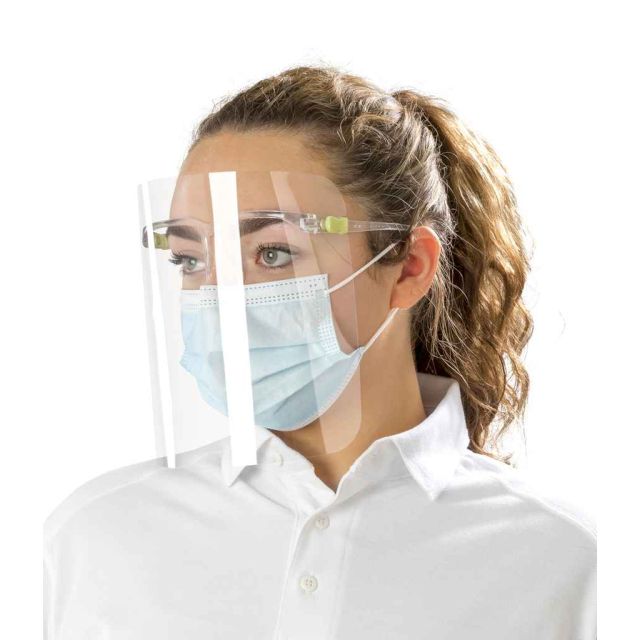
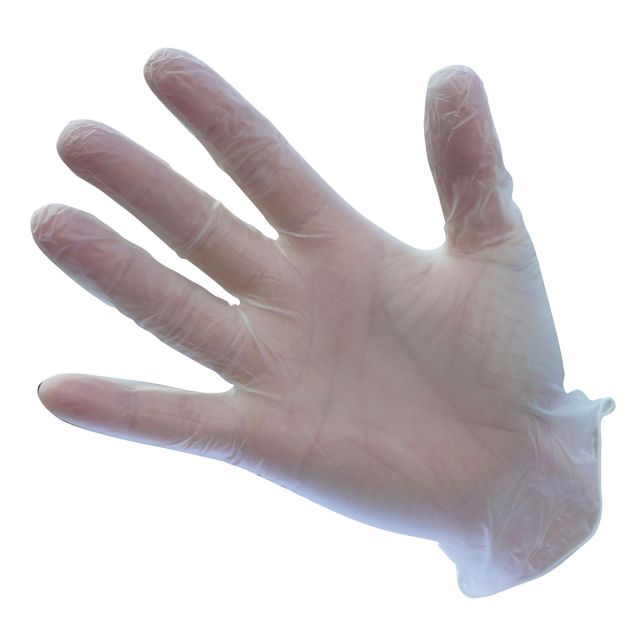
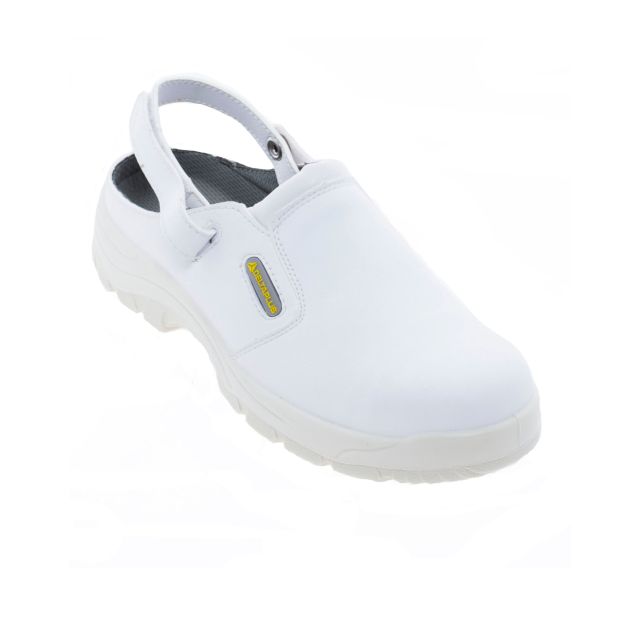
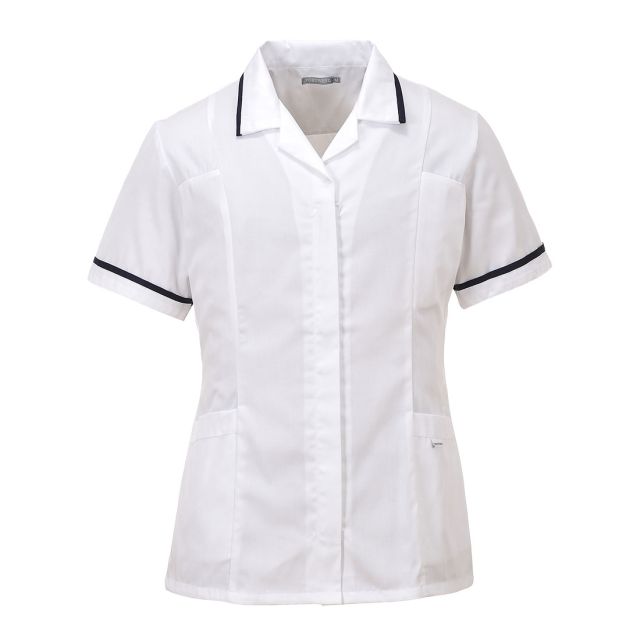
During the COVID-19 pandemic, healthcare workers relied on FFP3 masks and gowns to protect themselves from the virus. Research from the British Medical Journal (BMJ) found that appropriate PPE reduced transmission rates among healthcare workers considerably.
PPE in Manufacturing
Workers in manufacturing environments face a variety of dangers, like the operation of heavy machinery, the handling of chemicals, and exposure to excessive noise levels. Workers may also come into contact with sharp objects, which increases the risk of cuts or abrasion. Metal fabricators operating grinders are at risk of eye injuries from flying sparks and debris, as are anyone in their proximity.
Key PPE:
- Cut-resistant Gloves: Workers handling sharp materials need gloves rated according to EN 388, which provides protection against cuts and abrasions.
- Hearing Protection: High-decibel environments require earplugs or earmuffs with an appropriate noise reduction rating (NRR) to prevent noise-induced hearing loss.
- Safety Goggles: For tasks involving welding or grinding, safety goggles or face shields that comply with EN 166 are necessary to protect eyes from flying debris.
- Safety Footwear: Boots with toecap protection and puncture-resistant soles protect workers from falling objects and sharp materials on the floor.
- Hi Vis Clothing: Workers in areas with moving vehicles or forklifts should wear Hi Vis clothing to remain visible, hi vis coveralls are an excellent solution for workers.
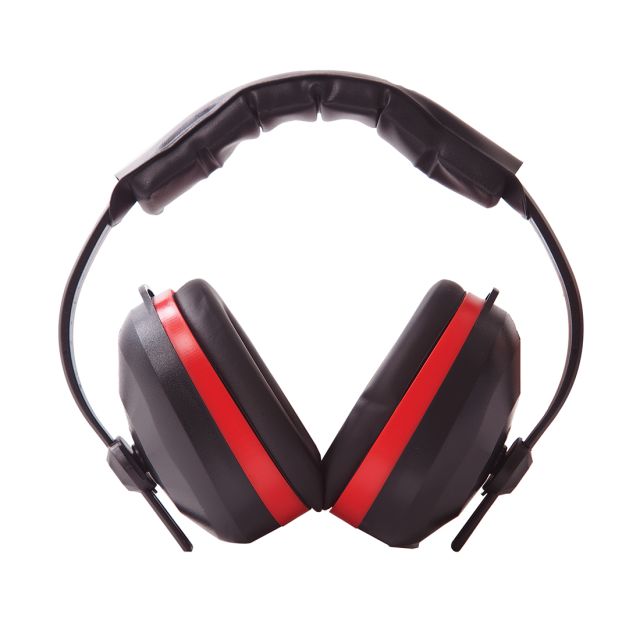
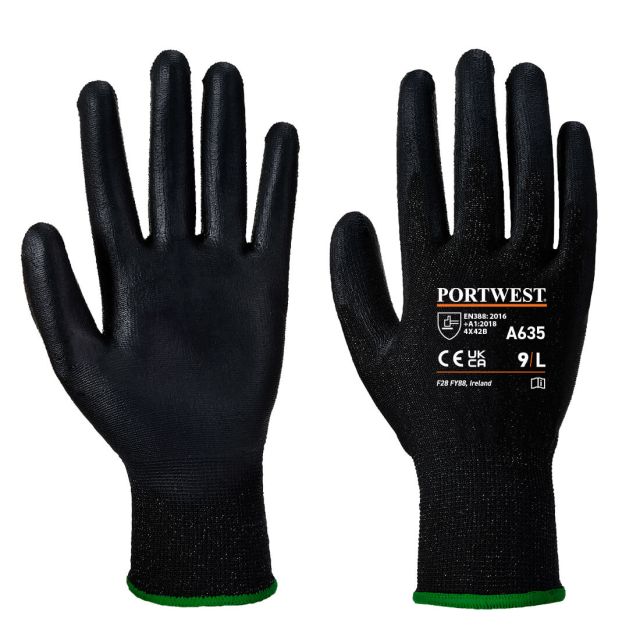
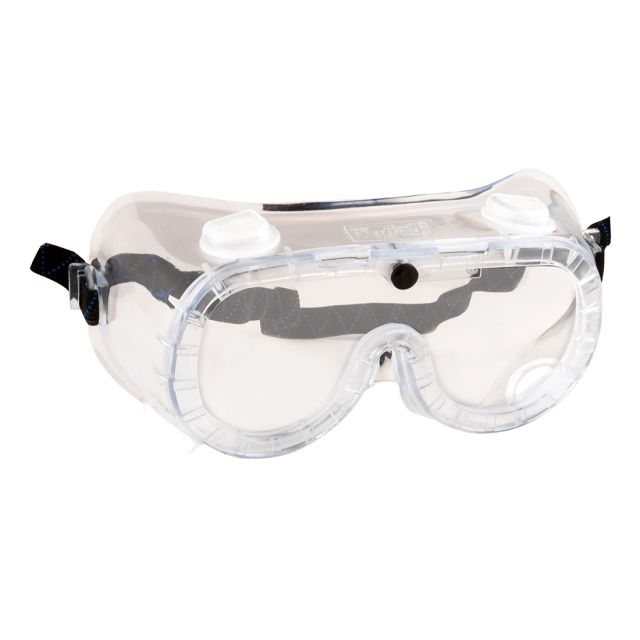
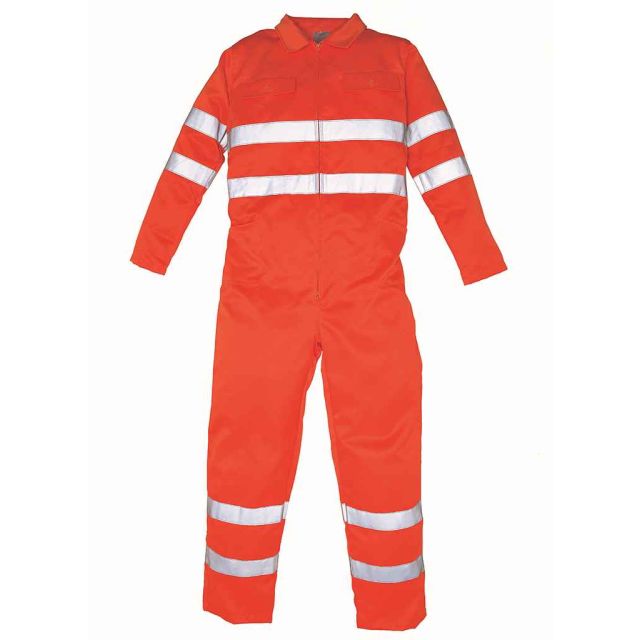
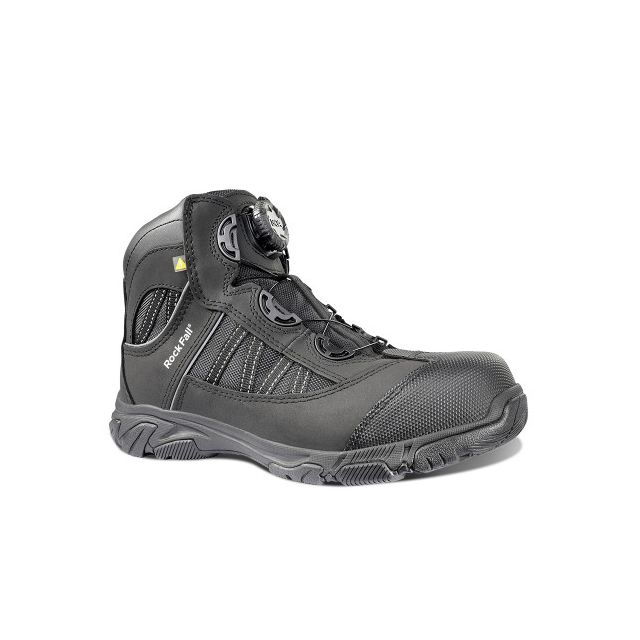
According to the HSE, manufacturing businesses had over 46,000 non-fatal injuries in the period 2020-2023, with a large proportion being avoidable with sufficient PPE. The proper use of cut-resistant gloves and safety footwear could have significantly reduced these injury rates.
PPE in Agriculture and Forestry
Agriculture and forestry workers face risks including exposure to heavy machinery, harmful chemicals like pesticides, and physical hazards from handling sharp tools. In outdoor settings, they are also vulnerable to environmental factors such as extreme weather. For example, tree surgeons operating chainsaws are exposed to the risk of serious cuts without the right protective clothing.
Key PPE:
- Head Protection: Workers operating heavy machinery or working in areas with low-hanging objects must wear hard hats compliant with EN 397.
- Gloves: Chemical-resistant gloves, often made from nitrile, are essential when handling pesticides and other agricultural chemicals. Simple rigger gloves for handling would save many minor hand injuries.
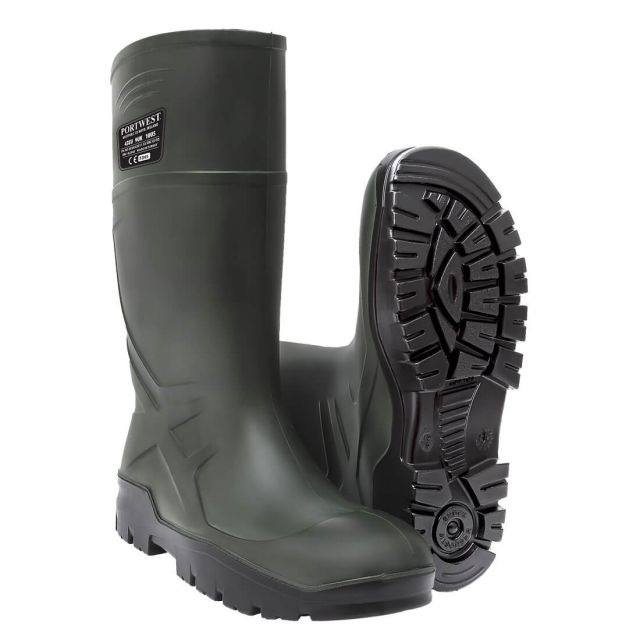
- Footwear: Safety wellington boots with steel toes and slip-resistant soles are vital for outdoor work in muddy or uneven terrain.
- Respiratory Protection: Farmers and forestry workers exposed to dust, pesticides, or other airborne contaminants need FFP2 or FFP3 respirators or masks.
- Eye Protection: Safety goggles protect against chemical splashes during pesticide application and mesh visors protect from debris when working with chainsaws.
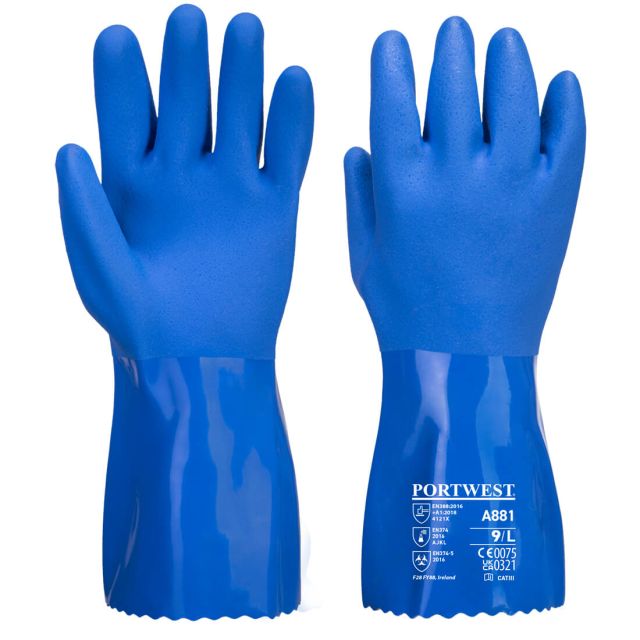
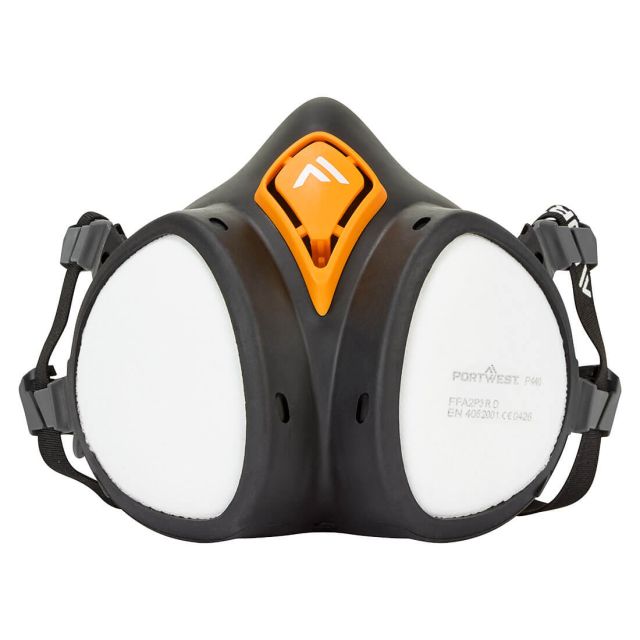
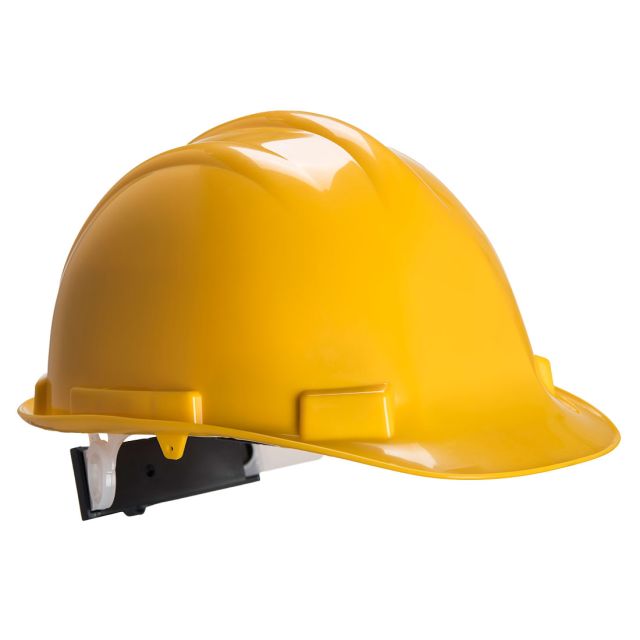
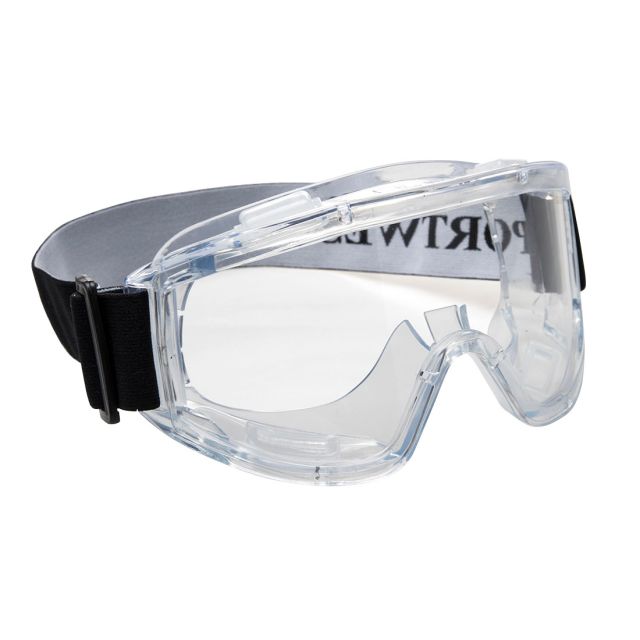
The HSE reports that the agriculture sector, and the entire UK food supply chain, has one of the highest rates of workplace injuries. Many incidents involving chemical exposure could be prevented by using proper gloves and respiratory protection. Many fatal incidents in agriculture involved moving machinery and even cattle.
PPE in Mining and Quarrying
Workers in mining and quarrying are at danger of being injured by falling rock fragments, as well as being exposed to hazardous gases and dusts. Workers are also at risk when operating heavy machines in confined areas. For example, underground miners working in low-oxygen environments require reliable respiratory protection to avoid asphyxia or damage to the lungs.
Key PPE:
- Respiratory Protection: Workers exposed to dust and harmful gases in mines must use high-quality respirators that meet HSE standards for respiratory protection.
- Safety Helmets: To protect from falling rocks or debris, helmets compliant with EN 14052 (high-performance helmets) should be used.
- Safety Footwear: Steel-toe boots with ankle support and slip-resistant soles are essential for navigating uneven terrain in quarries and mines.
- Hi Vis Clothing: In low-light environments like mines, Hi Vis jackets and trousers ensure that workers remain visible to heavy machinery operators.
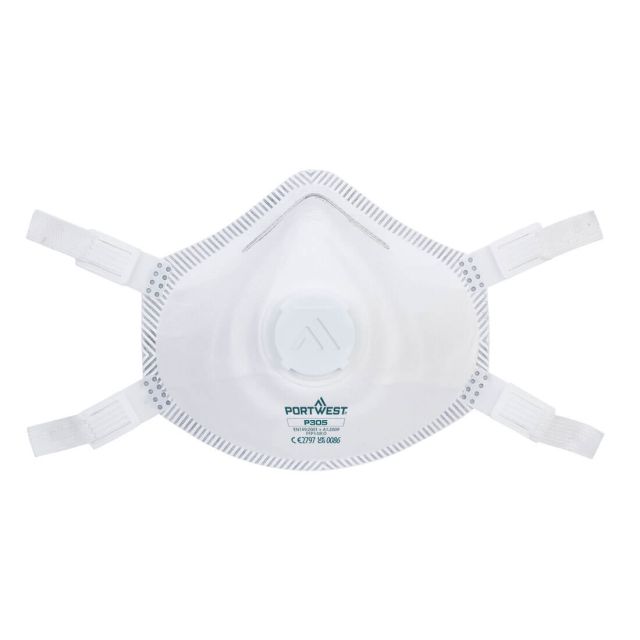
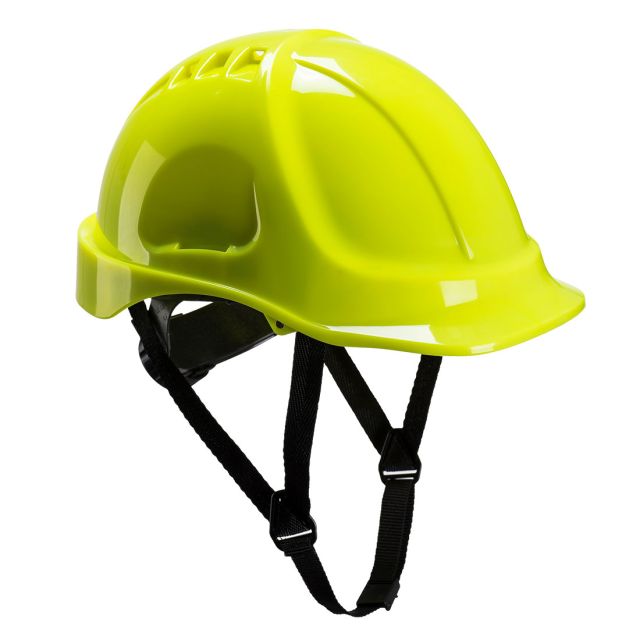
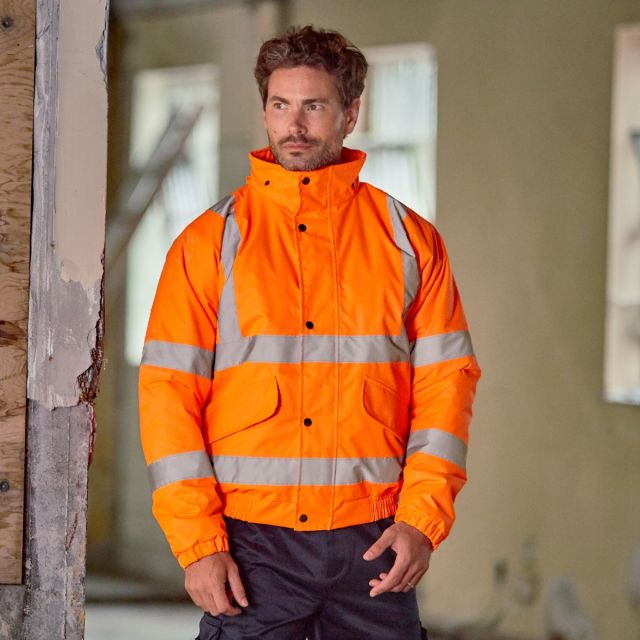
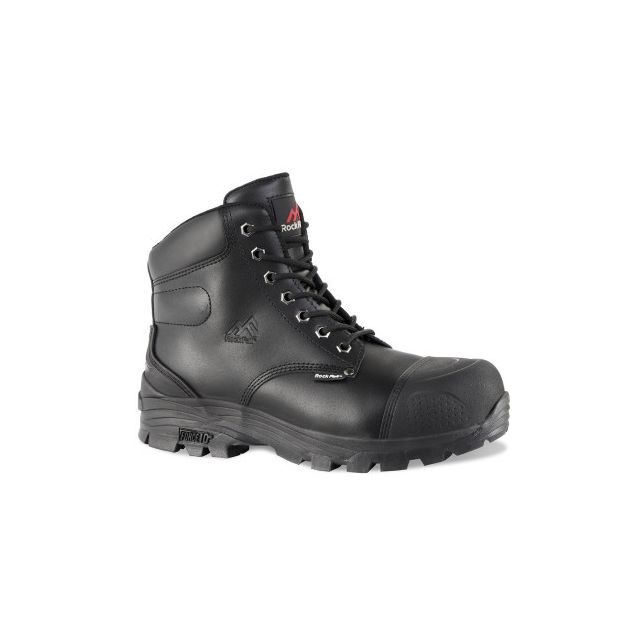
A HSE article on the quarrying industry emphasised the importance of proper respiratory protection, particularly in reducing the risk of developing silicosis, a lung disease caused by inhaling silica dust.
PPE in Chemical and Laboratory Environments
Working in chemical laboratories exposes the worker to dangerous compounds, the risk of chemical spills, and the likelihood of fires or explosions. Workers are also exposed to biological agents in research environments. For example, scientists who work with caustic chemicals require protection to avoid burns from accidental spillage.
Key PPE:
- Chemical-Resistant Gloves: Nitrile or butyl rubber gloves protect hands from chemical exposure and should be selected based on the specific chemicals being handled.
- Safety Goggles: Workers handling hazardous chemicals must wear goggles that comply with EN 166 to prevent chemical splashes from reaching the eyes.
- Lab Coats or Chemical Suits: Full-body protection is required when dealing with dangerous chemicals, ensuring that clothing and skin are protected.
- Respiratory Protection: FFP3 masks or powered air-purifying respirators (PAPRs) should be used when handling volatile chemicals or working in environments with harmful fumes.
- Safety Footwear: Chemical-resistant boots are essential to prevent exposure to harmful substances.
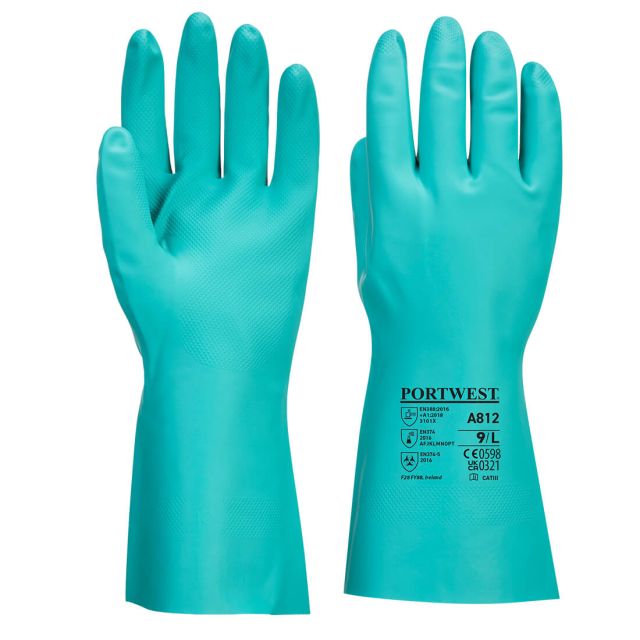
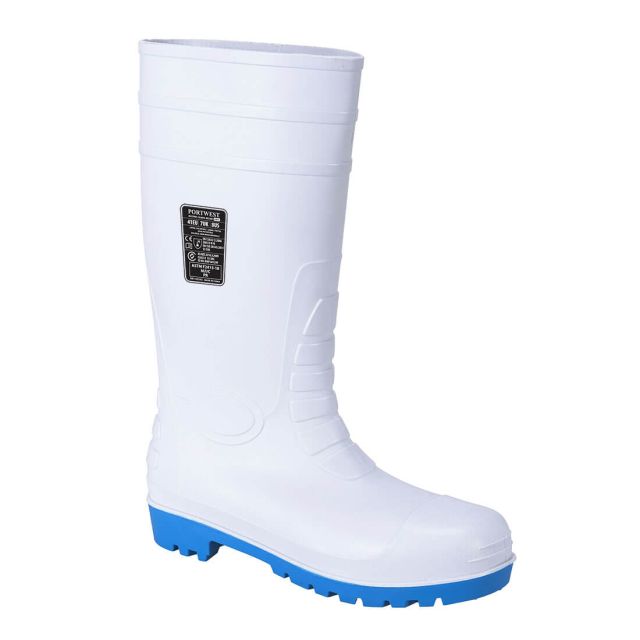

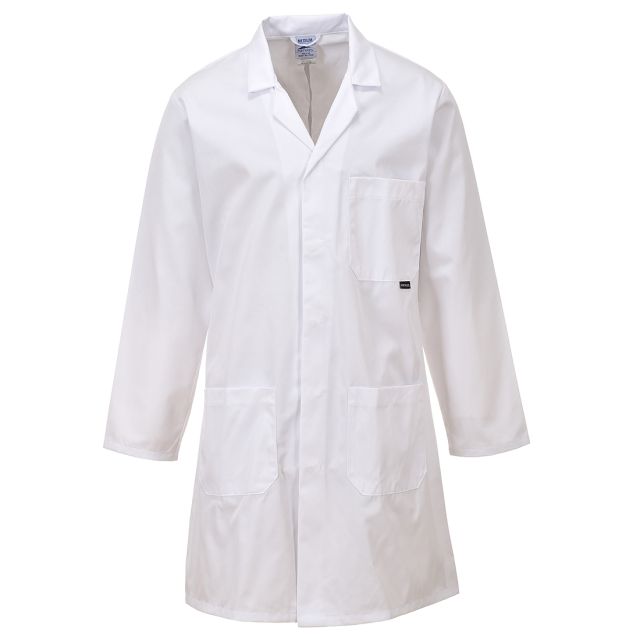
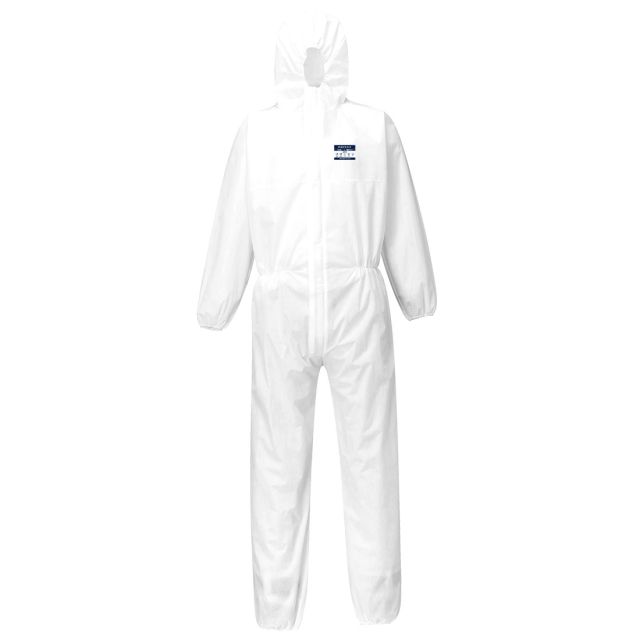
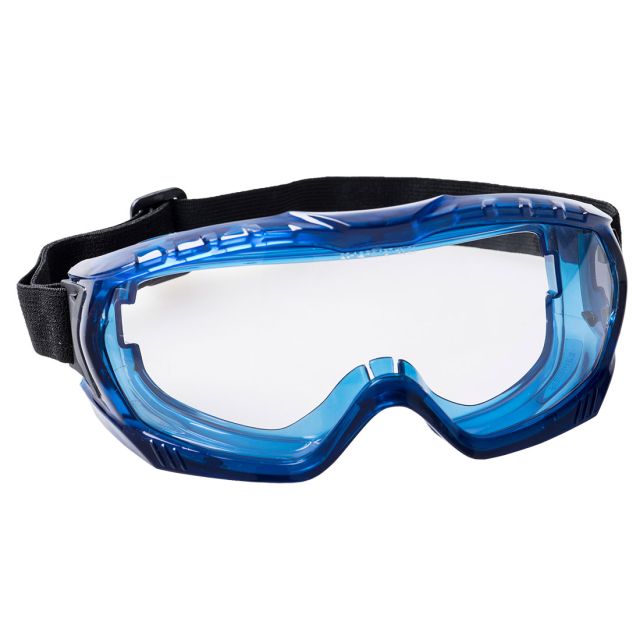
To avoid incidents such as chemical burns and respiratory diseases, the HSE enforces tight guidelines on chemical handling and the use of personal protective equipment in laboratory settings.
PPE in Oil and Gas Industry
Fire, explosions, and exposure to dangerous chemicals are all serious concerns in the oil and gas industry. Workers may also be exposed to extreme weather conditions, such as high heat or cold. For example, offshore drilling activities expose workers to both dangerous substances and extreme weather, requiring the use of suitable personal protective equipment.
Key PPE:
- Flame-Resistant Clothing (FRC): Workers exposed to fire risks must wear flame-resistant garments compliant with EN ISO 11612 for protection against heat and flames.
- Respiratory Protection: Respirators are necessary for protection against gases like hydrogen sulfide (H2S), common in oil and gas extraction.
- Hearing Protection: Drilling rigs and other machinery often operate to intense noise levels, making hearing protection essential for preventing long-term hearing loss.
- Safety Helmets and Gloves: Helmets and oil-resistant gloves protect workers from impact and burns while handling equipment.
- Safety Footwear: Anti-slip, steel-toe boots protect against falling objects and slippery conditions. Workers on Oil rigs have the specially designed Rigger Boot, designed to be easily removed should the wearer enter the water.
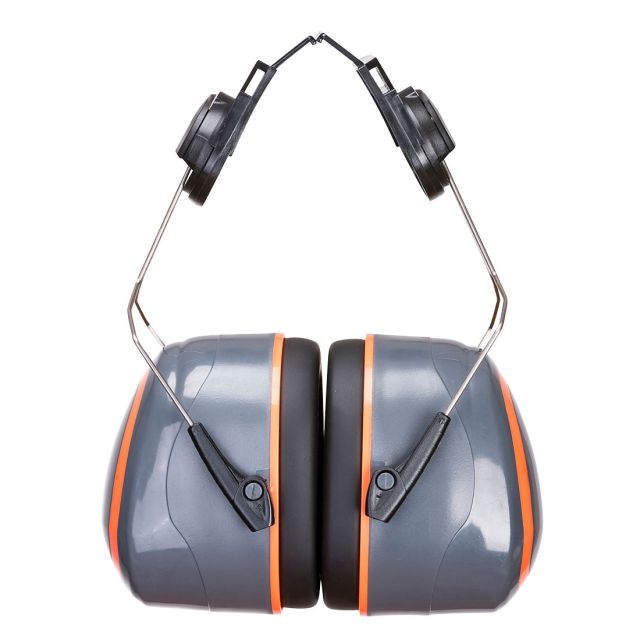

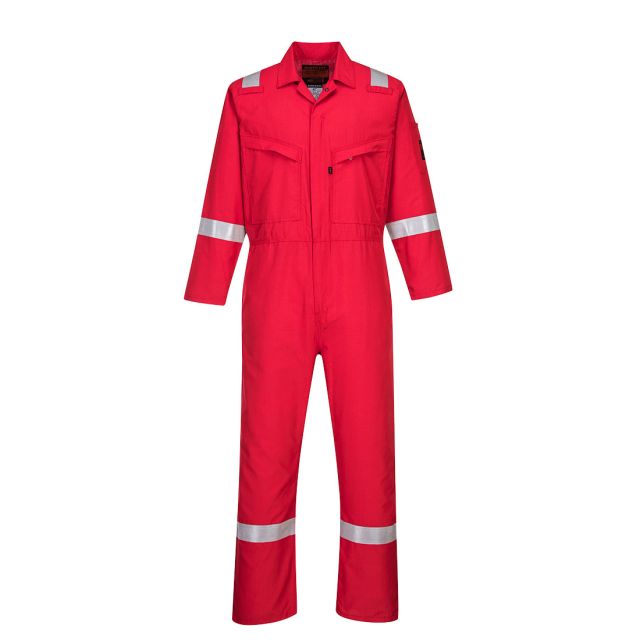
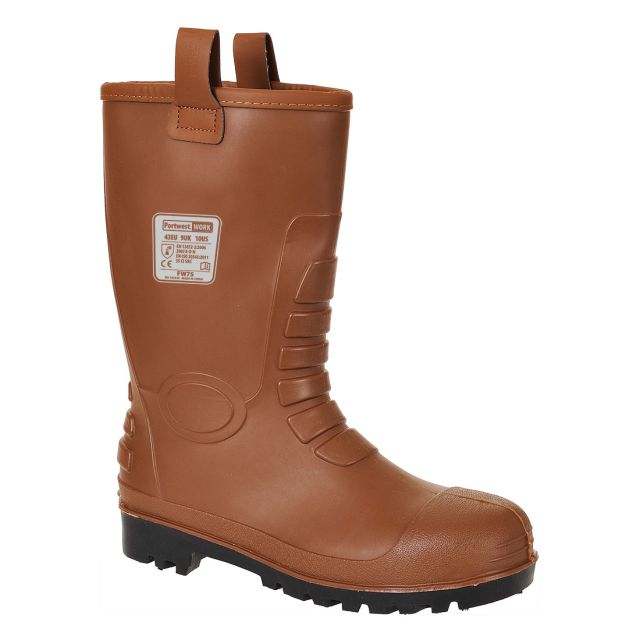
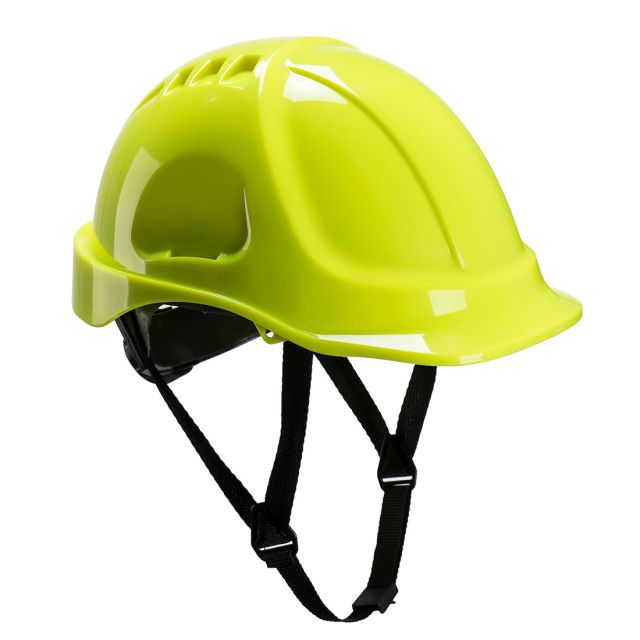
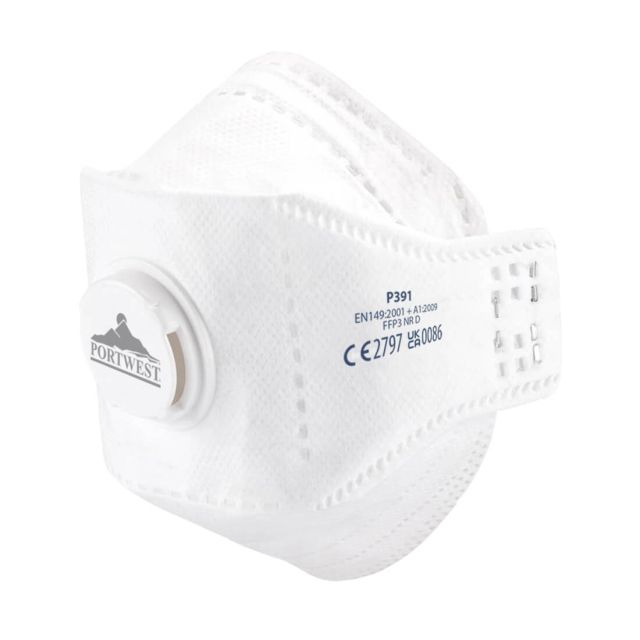
The International Association of Oil and Gas Producers (IOGP) have emphasised the importance of flame-resistant clothing in preventing serious burns from accidents during refinery operations.
Why Choose XAMAX® for Your Industry-Specific PPE Needs?
When it comes to selecting the right Personal Protective Equipment (PPE) for your industry, you need a supplier who understands the unique challenges and risks associated with different sectors. XAMAX® is more than just a PPE supplier—we are a trusted partner that helps ensure your workers have the protection they need, tailored to the specific demands of your industry.
Industry Expertise You Can Trust
From construction sites to manufacturing plants, engineering firms to logistics operations, XAMAX® has decades of experience providing industry-specific PPE solutions. We understand that every sector has its own set of risks, whether it’s high-visibility clothing for logistics, cut-resistant gloves for engineering, or respiratory protection for manufacturing. Our expert team is always ready to help you select the PPE that’s right for your environment, ensuring you stay compliant with the latest UK safety regulations.
Wide Range of Certified PPE
At XAMAX®, we stock a wide variety of certified PPE, from protective footwear and eye protection to specialised gloves and helmets. We ensure that all of our products are fully compliant with UK standards and regulations, so you can trust the safety and quality of the equipment you’re providing to your employees. Our range covers all key areas of PPE, allowing us to offer complete solutions that meet your industry's specific needs.
Customisation for Safety and Branding
Beyond compliance and safety, we offer custom branding for PPE, particularly Hi Vis clothing, so your team can stay safe while promoting your business.
Our customisation services allow you to print or embroider your company logo onto your workers' safety gear, making sure your team not only adheres to safety regulations but also stands out with a professional look.
Reliable and Efficient Supply Chain
XAMAX® takes pride in offering fast, reliable delivery for all our PPE products. We understand the urgency of keeping your workforce safe, which is why we ensure that you receive the equipment you need on time, every time.
No matter the size of your order—whether it’s a small batch or a bulk purchase—you can rely on us to support your PPE needs without delay.
Conclusion
Choosing the appropriate PPE for your sector requires a thorough evaluation of the unique hazards present in your workplace.
The risks differ substantially between sectors, so PPE must be tailored to provide proper protection.
Following HSE guidelines and complying with industry-specific regulations will help you maintain a safe working environment.
Personal Protective Equipment (PPE) is essential for protecting workers from risks in a variety of sectors. From construction to healthcare, choosing the correct PPE is vital for avoiding hazards, complying with regulations, and ensuring worker safety. Different sectors present unique challenges, and it’s essential the PPE you choose is suited to the particular risks in each […]
Choosing the right supplier for Personal Protective Equipment (PPE) is crucial for ensuring worker safety, complying with regulations, and successfully managing costs.
Whether you're a small or large organisation, your supplier has a responsibility to ensure that your personal protective equipment is compliant, reliable, and cost-effective. It's tempting to go for the cheap option you find in the middle of Lidl, but that's not going to do you any favours in the medium to long-term.
Here's what you need to consider when selecting a PPE supplier.
- Page Contents
- Check for BSIF Accreditation
- Prioritise Compliance and Certification
- Consider Industry Specific Expertise
- Evaluate Supplier Reliability and Stock Availability
- Look for Customisation Options
- Assess Cost Effectiveness
- Verify Customer Support and After Sales Service
- Why Choose XAMAX as Your PPE Supplier
- Conclusion
1. Check for BSIF Accreditation
When selecting a PPE provider, one of the most crucial factors to consider is if they are accredited by the British Safety Industry Federation. Suppliers who are BSIF registered, such as XAMAX®, are committed to supplying high-quality, compliant products.
The BSIF's Registered Safety Supplier Scheme ensures that you are purchasing from a trustworthy supplier and that the PPE meets the appropriate safety requirements.
Why it Matters:
BSIF-accredited suppliers go through regular audits to ensure they offer legal, high-quality items that comply with UK legislation. Noncompliant or counterfeit PPE can endanger your workers and result in expensive penalties or injury.
2. Prioritise Compliance and Certification
Your supplier must provide PPE that meets UK laws, such as the Personal Protective Equipment regulations 2018 and related British Standards (BS EN). Always ask for documentation of compliance and certification for the products you want to purchase. Compliant PPE will carry the CE or UKCA mark, indicating that it fulfils UK/EU safety requirements.
Suppliers that offer non-compliant PPE are not only violating the law, but also endangering your employees. For example, wearing the improper high-visibility clothing might result in accidents and major legal consequences.
For more information on PPE compliance, check the Health and Safety Executive’s (HSE) guide.
3. Consider Industry-Specific Expertise
Different industries have different PPE requirements. A supplier with experience in your sector will be better equipped to suggest the right products.
For example, construction companies will require safety helmets, dust masks, and gloves, whereas healthcare providers may need respirators, gloves, and protective gowns.
Suppliers like XAMAX®, with a history of supplying PPE across multiple sectors, are more likely to understand the specific needs and challenges faced by your industry.
4. Evaluate Supplier Reliability and Stock Availability
When it comes to PPE, reliability is key. You need a supplier who can provide a consistent and timely supply, especially during emergencies or periods of increased demand. Ask about their stock levels, delivery times, and how they handle supply chain disruptions.
Suppliers who have access large nationwide inventories of core PPE items like gloves, helmets, and hi vis clothing, such as XAMAX®, will ensure you don’t run out when you need them the most. A reliable supplier will also offer quick delivery options for urgent needs.
5. Look for Customisation Options
If branding is important for your business, check whether your supplier can customise PPE with your company’s logo or other branding elements.
Customisation is especially useful for hi vis clothing and uniforms to help distinguish your staff from those of other companies or the general public. XAMAX® offers printing and embroidery options for Hi Vis clothing, ensuring that your employees remain safe while also representing your brand professionally.
Having a supplier that can print or embroider logos without sacrificing safety compliance is essential for maintaining both safety and brand consistency.
6. Assess Cost-Effectiveness
While price shouldn't serve as the deciding factor, it is important to choose a supplier who offers competitive prices without sacrificing quality.
Suppliers who manage pricing effectively, such as XAMAX®, ensure value without resorting to sales gimmicks, will give you a reliable service and price all year round. Look for suppliers who can combine cost-effectiveness, quality, and compliance.
Be wary of suppliers who promise excessively low prices; they may be taking shortcuts on your safety requirements. Instead, look for straightforward pricing and an emphasis on quality.
7. Verify Customer Support and After-Sales Service
Good customer service is essential when purchasing PPE. You want to choose a supplier that can answer questions, offer technical support, and provide assistance with product returns or replacements.
A BSIF registered supplier would never make "recommendations" or give "advice" about your safety. They know that only your Health & Safety officer can make those decisions based on a thorough risk assessment. A good PPE supplier would merely offer suggestions of products that fulfil the specific needs your assessments have highlighted.
XAMAX®, for example, offers excellent customer service to ensure that businesses have everything they need, from choosing the right PPE to replacing faulty or damaged equipment quickly.
A responsive supplier will also help you stay compliant by notifying you when your PPE needs replacing or when new regulations come into force.
Why Choose XAMAX® as Your PPE Supplier?
When selecting a PPE supplier, trust and reliability are key factors. XAMAX® stands out as a BSIF-registered safety supplier, ensuring that all the PPE products we offer are fully compliant with UK safety regulations. By choosing XAMAX®, you're not only securing quality PPE but also peace of mind that you're keeping your workforce safe.
Why XAMAX®?
- BSIF-Registered Safety Supplier
As part of the British Safety Industry Federation (BSIF) Registered Safety Supplier Scheme, XAMAX® guarantees that all PPE provided meets or exceeds safety standards. This ensures that you avoid substandard or counterfeit products that can put your workers at risk. - Sector Expertise
With over 30 years of experience, XAMAX® supplies PPE across multiple sectors, including construction, engineering, manufacturing, and logistics. We understand the unique challenges each industry faces and provide tailored solutions to meet those needs. - Customisation Options
In addition to supplying high-quality PPE, XAMAX® offers custom printing and embroidery services for Hi Vis clothing and other workwear, allowing businesses to add their logos to the gear. This combination of safety and branding helps elevate the professional image of your workforce. - Cost-Effective Solutions
XAMAX® is dedicated to providing the most cost-effective PPE solutions without sacrificing quality. We don’t rely on sales gimmicks or flash discounts—instead, we manage prices carefully to ensure you get the best deal all year round. - Fast Delivery and Responsive Support
We know how crucial PPE is to keeping your operations running safely, which is why XAMAX® offers reliable and quick delivery services. Our team is always on hand to offer support, answer questions, and assist with any issues that may arise.
Get in touch with XAMAX® today for reliable, compliant, and customisable solutions. Fill out the form below, and one of our team will be in touch to discuss how we can support your business with the best PPE solutions.
Conclusion
Choosing the appropriate PPE provider is about more than simply cost; it's about ensuring compliance, quality, and reliability.
Always pick a BSIF-registered safety supplier, such as XAMAX®, who can ensure that your PPE is compliant, reliable, and appropriate for your industry.
Remember to assess their experience, product availability, and customer service to ensure you're working with a reputable supplier that will help you keep your workers safe.
Choosing the right supplier for Personal Protective Equipment (PPE) is crucial for ensuring worker safety, complying with regulations, and successfully managing costs. Whether you’re a small or large organisation, your supplier has a responsibility to ensure that your personal protective equipment is compliant, reliable, and cost-effective. It’s tempting to go for the cheap option you […]
A recent survey found that nearly one in four construction workers in the UK may be exposed to asbestos, which places them at a higher risk of contracting terminal illnesses later in life, despite the fact that asbestos has been banned since 1999.
The survey's findings plus the fact that there are potentially half a million buildings around the UK still containing asbestos fibres adds to the trend that Britons have the world's highest chance of dying from mesothelioma, an extremely deadly form of cancer.
- Page Contents
- What Is Asbestos
- Why Was Asbestos Banned?
- Who Is At Risk?
- How Do You Protect Against Asbestos?
- Conclusion
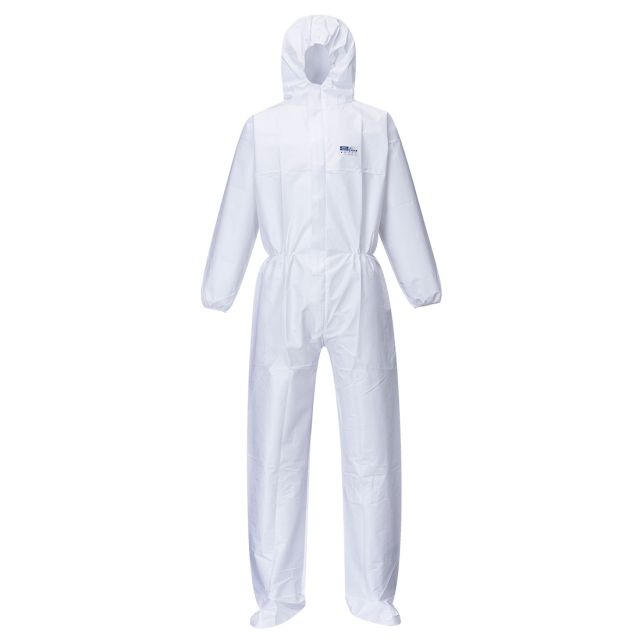
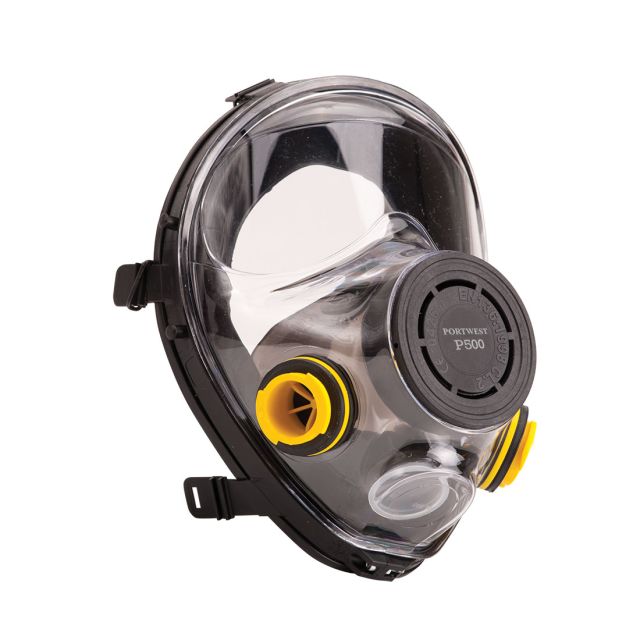
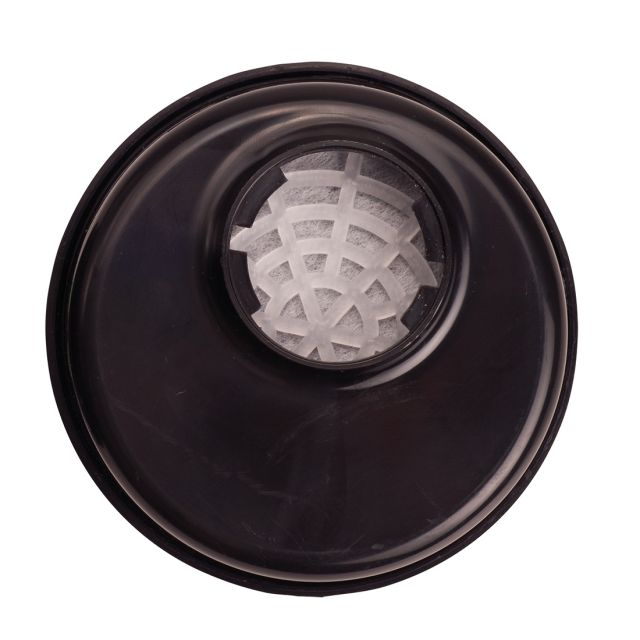
What is Asbestos?
"Asbestos" is a catch-all term used to refer to 6 naturally occurring silicate minerals that have been used by Humans for over 4500 years. The 6 Asbestos minerals are:
- Chrysotile
- Crocidolite
- Amosite
- Tremolite
- Anthophyllite
- Actinolite
All these minerals are composed of long and thin fibrous crystals being composed of many microscopic fibrils. These fibrils can be released into the atmosphere when disturbed.
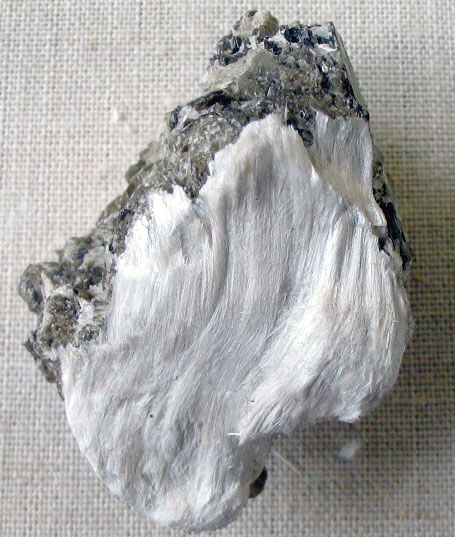
Asbestos is a known health hazard, and use of it as a building material is now banned in many countries as inhalation of the fibrils can lead to various lung conditions
Crocidolite and Amosite, also known as blue and brown asbestos, are the two most dangerous forms and their use was banned in 1985. Chrysotile, also known as white asbestos, was banned in 1999 except for a small number of specialised uses.
Why was Asbestos Banned?
Asbestos was banned after research found it was responsible for several fatal diseases, including:
- Fibrosis of the lungs - scarring which can cause progressive shortness of breath and can be fatal in severe cases.
- Lung Cancer.
- Pleural thickening - the lining of the lungs (pleura) swells, which can squeeze the lungs and cause shortness of breath and discomfort in the chest.
- Mesothelioma - cancer of the tissue that covers many organs. The most common area affected is the lining of the lungs and chest cavity.
IMPORTANT TO NOTE: Just being near or inside a building containing asbestos in its structure does NOT put you at immediate risk of the above problems. You need to be in a position to inhale asbestos dust fibres. See more on who is at risk further down the page.
In particular, mesothelioma is an incurable disease. Although catching any cancer before it reaches an advanced stage can improve the life expectancy of a mesothelioma patient, long-term survival is extremely rare.
The average life expectancy is between 12 and 21 months, with approximately 40 percent of patients living past one year and only nine percent living beyond five years.
The UK is said to possess one of the highest rates of mesothelioma in the world - a statistic which has generally been attributed to the fact that the UK government banned asbestos usage long after other countries did.
Who is At Risk?
Asbestos can still be found in any building built or refurbished before 2000, meaning that although it's been banned for decades, it is still affecting people today.
The most recent statistics for mesothelioma caused by past exposure to asbestos, show 2,257 people died from the disease in 2022. This is slightly lower than the 2,290 deaths in 2021, and substantially lower than the average of 2,529 deaths per year over the period from 2012 to 2020
Construction workers and people who worked with trains or ships prior to the 1980s, whether it was in the rolling stock manufacturing industry, shipbuilding industry or served aboard one, are at the highest risk because of asbestos being so prevalent in older buildings, older trains and ships. Other occupations at high risk include:
- HVAC engineers
- Plasterers
- Roofing contractors
- Demolition crews
- Railway workers
- Painters and Decorators
- Pipe fitters
- Maintenance
- Carpenters
- Joiners
- Plumbers
- Electricians
- Boilermakers
- Teachers (particularly those who work in old or renovated buildings)
How to Protect Your Workers From Asbestos Exposure
Although asbestos has been banned since 1999, experts have estimated that around 90,000 people will have died between 1970 and 2050, which is when the UK's asbestos epidemic is said to have played itself out. That is why you need to take action to protect your workers.
Conduct Risk Assessments
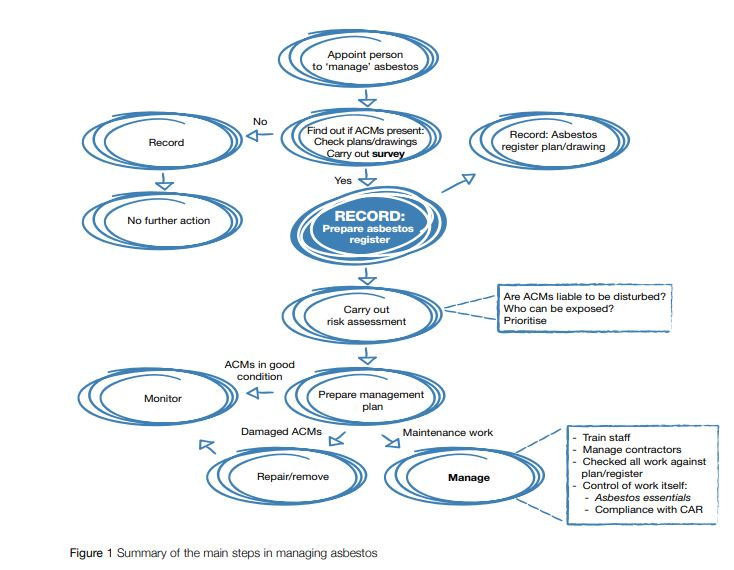
Important To Note: The actual steps of performing an Asbestos risk assessment are quite involved and beyond the scope or authority of this article and author - we cannot offer advice here due to the specialist nature of the risks. However, you can find everything you need to know in this Asbestos Survey Guide from HSE in a downloadable PDF format.
You will already know how important it is to conduct risk assessments and key safety checks before you start work, but ensure that you always consider asbestos as part of the possible health risks. Those responsible for the building, for example, are legally required to provide you with information on the location and the materials.
If there are any asbestos-containing materials, they need to be identified before the work starts. You then need to decide whether these materials need to be handled by a specialist asbestos removal team or to consult the health and safety representative, if there is one, about the appropriate control measures that should be taken.
If you are not sure about any materials, ensure they are tested as soon as possible by a specialist laboratory.
Train Workers to Know the Risks and Precautions They Need to Take
Ensure you train your workers on the risks of asbestos and instruct them on what to do if they encounter asbestos-containing materials.
For example, they should:
- Keep the material damp while they work on it.
- Use hand tools, not power tools which create more dust.
- Use personal protective equipment (PPE) such as respirators, disposable coveralls, goggles etc
- Clean up as they work to prevent waste piling up.
- Clear up asbestos dust using "Type H" vacuum cleaners or damp cloths.
- Wash their hands and face when they are taking a break from work or have finished.
- Placing asbestos waste in a sealed, labelled container before disposing of the debris in the correct manner.
If your team encounter any hidden materials which may contain asbestos, ensure that they stop work immediately and get advice. Identifying asbestos-containing materials isn't easy and you may need to get it sent off to specialist laboratories.
These steps will help to reduce, control and prevent asbestos exposure to the lowest levels possible.
Provide the appropriate personal protective equipment (ppe)
Make sure that you provide your workers with the appropriate protective clothing and equipment before they start work. For example, respirators and protective gloves can reduce exposure to asbestos.
Make sure that you keep on top of PPE maintenance by regularly inspecting equipment for signs of damage and replacing them when necessary. As well as providing PPE, ensure that your staff are trained on how to use equipment and clothing in the safest way possible.
We recommend speaking to a BSiF Registered Safety Supplier such as XAMAX® to ensure the PPE items you provide meet required safety standards.
Respiratory protection must meet at least FFP3 standards. Dust masks or Half Face masks with a P3 rating are good enough, however a full face mask covering the eyes is recommended by HSE.
These Disposable Masks meet the minimum standards. Always dispose of the mask after removing:
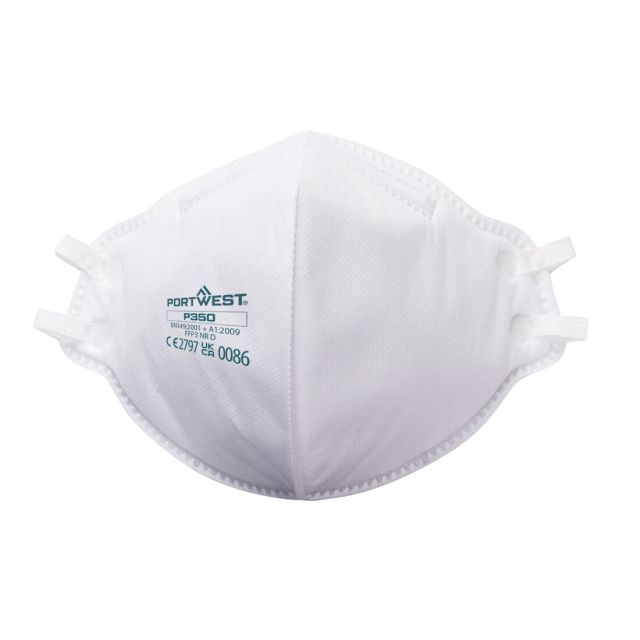
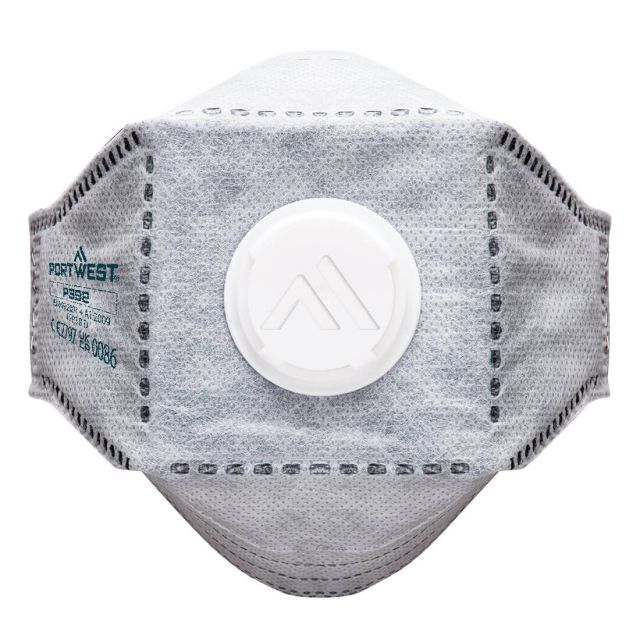
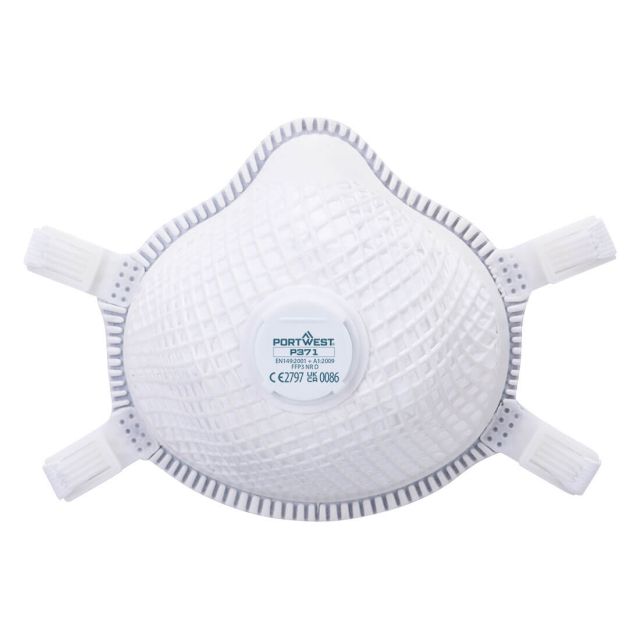
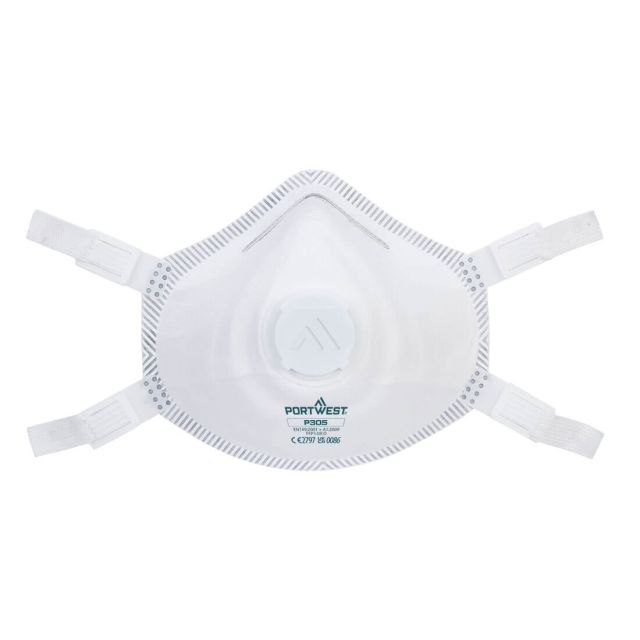
These Half Masks and filters meet the minimum standards. Always clean the mask properly after removing:
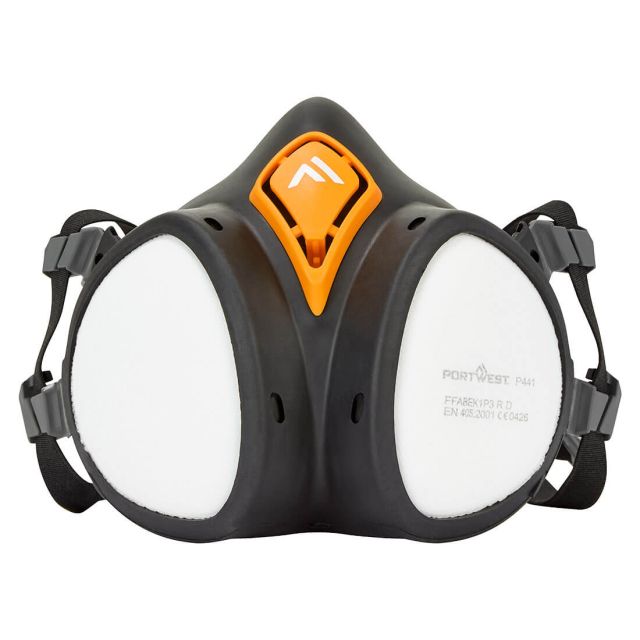
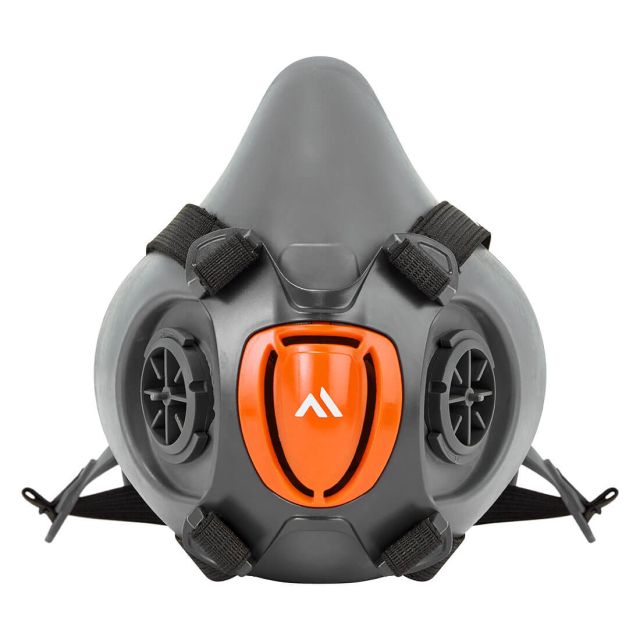
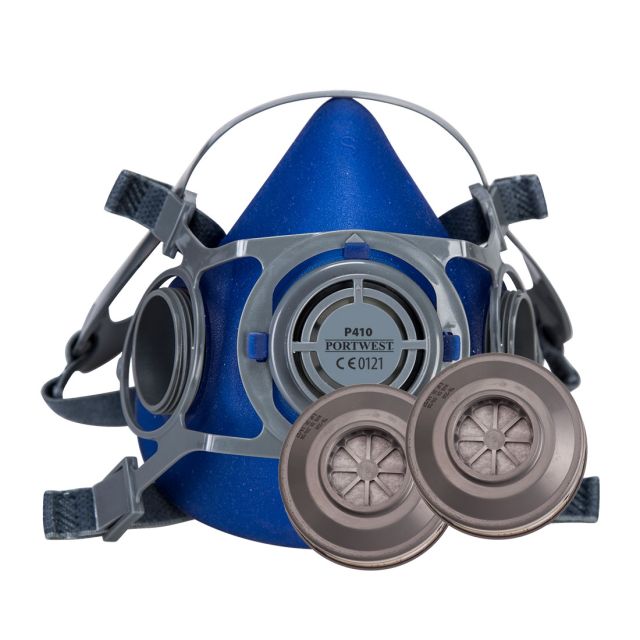
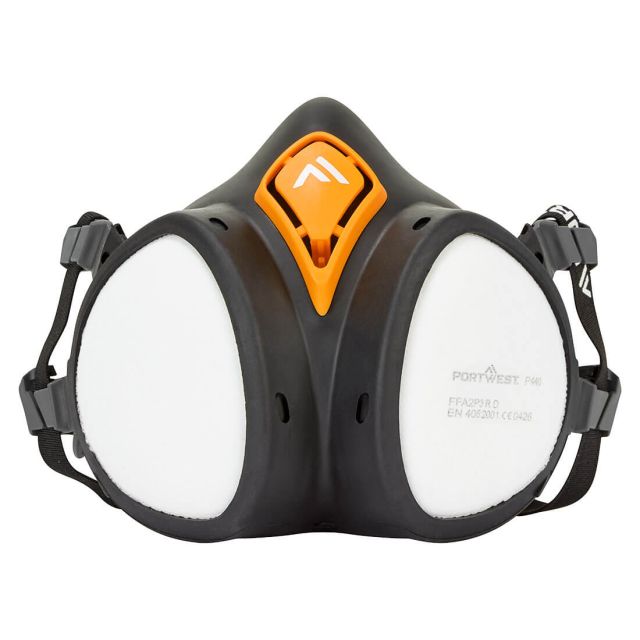
Don;t forget that any respiratory protection should fit the wearer correctly.
Coveralls for work with asbestos must meet category 3 standards. Within CE category 3 there are several 'types' of coverall:
- Type 2 EN 943:1995 - non gas tight suits which retain a positive internal pressure to prevent the ingress of dusts, liquids or vapours
- Type 5 EN ISO 13982 -1 - protective clothing for use against solid particulate chemicals
- Type 6 EN 13034 - reduced spray suits, suitable for protection against hazardous sprays and splashes as fine droplet, non directional sprays
These disposable coveralls meet EN ISO 13982-1 and EN 13034 and are suitable for working with Asbestos.
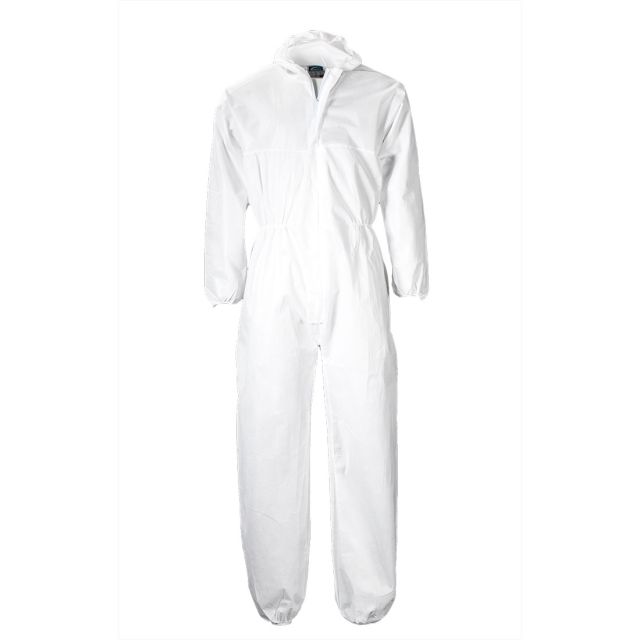
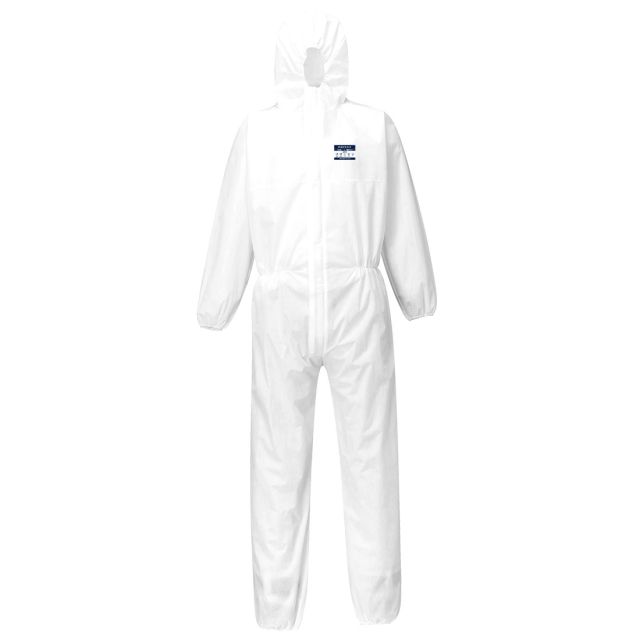
Eye, Ear, Foot and Hand protection must meet the usual standards for PPE.
Conclusion
Asbestos might have been banned for 20 years, but it is known as the killer that still surrounds us. With many buildings still containing traces of asbestos, it is important that you and your team are always alert when it comes to working with materials that may contain the mineral.
Disclaimer
Any product listed above is added to this article for informational purposes only. No guarantees of suitability for any task of any kind is implied and nothing in this article constitutes a recommendation. Product adherence to safety standards are the responsibility of the manufacturer. It is the responsibility of the user's employer to ensure the safety of the worker.
A recent survey found that nearly one in four construction workers in the UK may be exposed to asbestos, which places them at a higher risk of contracting terminal illnesses later in life, despite the fact that asbestos has been banned since 1999. The survey’s findings plus the fact that there are potentially half a […]
Safety is paramount in the dynamic and often hazardous environment of industrial workplaces. A critical aspect of workplace safety that often goes unnoticed until an emergency arises is the management of spills. Whether dealing with oils, chemicals, or other hazardous substances, having an effective spill response plan is crucial. This is where spill kits come into play.
This guide will explore the importance of spill kits, their components, and best practices for spill response in industrial settings.

Understanding Spill Kits: The Essentials
What is a Spill Kit?
A spill kit is a collection of materials and tools designed to clean up and manage the spillage of various substances safely and efficiently. These kits are vital in minimising the impact of spills on health, safety, and the environment.
Spill kits vary in size and content and are tailored to the specific substances and volumes commonly encountered in the workplace.

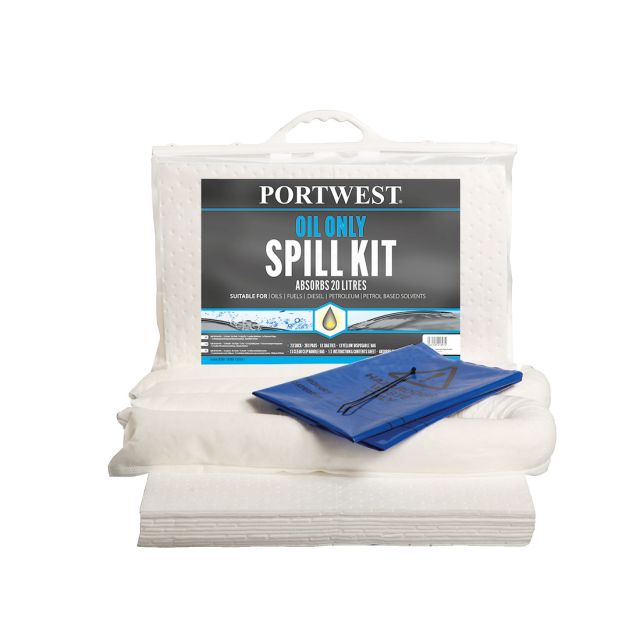
Why Are Spill Kits Important?
Spill kits are essential for several reasons:
- Safety: They help protect employees from exposure to hazardous substances, reducing the risk of injury or illness.
- Environmental Protection: Proper spill response minimises environmental contamination, preserving ecosystems and complying with environmental regulations.
- Cost Savings: Effective spill management prevents damage to property and reduces cleanup costs and potential fines.
- Regulatory Compliance: Many industries are legally required to have spill response measures in place.
About Those Legal Requirements...
The UK's Health & Safety Executive outlines requirements for the control and safe management of hazardous substances, including the necessity of having spill response plans and kits in workplaces.
The Environmental Protection Act 1990 requires businesses in the UK to prevent environmental contamination and outlines the duty of care regarding waste management, which includes measures for spill prevention and response.
The Control of Major Accident Hazards (COMAH) Regulations apply to businesses that handle dangerous substances. These regulations require facilities to have emergency plans and spill response strategies to manage potential accidents.
Spill Kit Colour Coding
To ensure an efficient and appropriate response to the various types of spillage, spill kits are colour coded to help identify their specific uses.
- White spill kits are designed for "Oil Only" applications and are ideal for absorbing oil-based liquids while repelling water. Useful in marine environments or areas with oil and water mixtures.
- Yellow spill kits are designated for chemical spills. They contain absorbents that can safely handle hazardous substances and help contain and neutralise dangerous chemicals.
- Black spill kits, also known as "Maintenance" kits, are versatile and can be used for general-purpose spills such as non-aggressive liquids, including oils, coolants, solvents, and water-based fluids.
This colour-coding system simplifies the selection and deployment of spill kits in diverse industrial and commercial settings.
Components of Spill Kits
Absorbents
Absorbents are materials that soak up liquids. They come in various forms, including pads, rolls, socks, and granules, each suited to different types of spills and surfaces. Absorbents are categorised based on the type of substance they can handle:
- Universal Absorbents: Suitable for water-based fluids, oils, and chemicals.
- Oil-Only Absorbents: Designed specifically for oil and hydrocarbon spills, repelling water.
- Chemical Absorbents: Made for aggressive chemicals, including acids and bases.
Personal Protective Equipment (PPE)
PPE is crucial for protecting workers during spill response. Common PPE in spill kits includes gloves, goggles and/or face shields, and protective overalls. The level of protection required depends on the nature of the hazardous material involved.
If your spill kit does not contain these PPE items, you should provide them alongside the kit.
Spill Containment and Cleanup Tools
These tools help contain and clean up spills safely and efficiently:
- Containment Booms: Prevent the spread of liquid spills, particularly in water bodies.
- Drain Covers: Block drains to prevent contaminants from entering water systems.
- Spill Pads, Socks and Pillows: Absorb liquids quickly, ideal for smaller spills.
- Disposal Bags: Ensure safe disposal of used absorbents and contaminated materials.
Emergency Spill Response Equipment
Some spill kits include equipment for larger or more hazardous spills, such as:
- Neutralising Agents: Used for acid or base spills to render the substances less harmful.
- Fire Extinguishers: In case of flammable liquid spills, especially in areas where fires are a risk.
- First Aid Supplies: To treat injuries that may occur during spill response.
Implementing an Effective Spill Response Plan
Assessing the Risk
Before establishing a spill response plan, it's crucial to assess the types of substances present in the workplace and the potential risks they pose.
This assessment should consider:
- Quantity and Types of Substances: Understanding the specific hazards associated with each substance.
- Spill Scenarios: Identifying likely spill scenarios and their potential impact.
- Regulatory Requirements: Ensuring compliance with relevant health, safety, and environmental regulations.
Spill Kit Placement and Accessibility
Spill kits should be strategically placed throughout the workplace, particularly in areas where spills are most likely to occur, such as near storage areas for hazardous materials. They should be easily accessible to all employees, and their locations should be clearly marked.
Training and Drills
Training is a critical component of an effective spill response plan. Employees should be trained in:
- Recognising Different Types of Spills: Knowing how to identify and classify spills quickly.
- Using Spill Kits and PPE: Proper usage and disposal of kit contents and personal protective equipment.
- Emergency Procedures: Including evacuation routes, communication protocols, and first aid.
- Regular drills and refresher training sessions help keep employees prepared and confident in handling spills.
Response Procedures
Having clear, well-documented spill response procedures is essential. These procedures should include:
- Immediate Actions: Steps to take immediately following a spill, such as alerting supervisors, using containment measures, and isolating the area.
- Spill Assessment: Determining the nature and extent of the spill, including potential hazards.
- Containment and Cleanup: Using the appropriate tools and materials to contain and clean up the spill safely.
- Waste Disposal: Ensuring that all contaminated materials are disposed of according to regulations.
- Incident Reporting: Documenting the spill and the response actions taken, including any injuries or environmental impacts.
Maintaining and Updating Spill Kits
Regular Inspections
Spill kits should be inspected regularly to ensure they are complete and in good condition. Checklists can help track the contents and expiration dates of items in the kit.
Replenishment and Upgrades
After any spill response, used items in the kit should be replenished immediately. Additionally, spill kits should be updated periodically to reflect changes in the types of substances handled in the workplace or advancements in spill response technology.
Continuous Improvement
Post-incident reviews and feedback from employees can provide valuable insights into the effectiveness of the spill response plan and areas for improvement. Regularly updating training programs and procedures based on these insights helps maintain a high level of preparedness.
Conclusion: Prioritising Safety with Spill Kits
Spill kits are a vital component of a comprehensive safety strategy in industrial workplaces. They provide the tools and materials necessary to respond to spills quickly and effectively, protecting employees, the environment, and company assets. By understanding the components of spill kits, implementing robust spill response plans, and maintaining readiness through training and regular kit inspections, businesses can significantly reduce the risks associated with hazardous material spills.
Investing in high-quality spill kits and ongoing safety training not only ensures regulatory compliance but also fosters a culture of safety and responsibility among employees. In the event of a spill, a well-prepared response can make all the difference, mitigating potential damage and ensuring a swift return to normal operations.
Safety is paramount in the dynamic and often hazardous environment of industrial workplaces. A critical aspect of workplace safety that often goes unnoticed until an emergency arises is the management of spills. Whether dealing with oils, chemicals, or other hazardous substances, having an effective spill response plan is crucial. This is where spill kits come […]
As we approach the 50th anniversary of the Health and Safety at Work Act 1974 (HSWA) on 31st July 2024, it is a good time to reflect on the profound impact this landmark legislation has had on the UK workforce.
Introduced at a time when workplace safety was far from guaranteed, the HSWA has transformed the working environment across various sectors, fostering a culture of safety and well-being that continues to evolve.

This article explores the origins, benefits, and enduring legacy of the HSWA, emphasising its critical role in protecting and empowering workers in the UK.
- Page Contents
- In the beginning
- Key Provisions of the HSWA
- Benefits of the HSWA
- The Role of the HSE
- Industry Impacts
- Evolution of Safety Culture
- Future Challenges and Opportunities
- Conclusion
The Genesis of the Health and Safety at Work Act 1974
Before the the Health and Safety at Work Act 1974, workplace safety regulations in the UK were fragmented and inadequate. Various industries had their own set of rules, resulting in inconsistencies and gaps in protection.

The need for comprehensive legislation became increasingly apparent as industrial accidents and occupational diseases highlighted the severe consequences of insufficient safety measures.
The HSWA was introduced to address these issues comprehensively. Spearheaded by the Committee on Safety and Health at Work, chaired by Lord Robens, the Act aimed to consolidate and extend existing safety laws, creating a unified framework for managing workplace health and safety.

The Act's primary objective was to "secure the health, safety, and welfare of persons at work," marking a significant shift towards a proactive approach to occupational safety.
Key Provisions of the HSWA
The HSWA established several fundamental principles that continue to underpin workplace safety regulations today:
- General Duties of Employers and Employees: The Act places a legal obligation on employers to ensure, as far as reasonably practicable, the health, safety, and welfare of their employees. This includes providing safe equipment, adequate training, and a safe working environment. Employees, in turn, are required to take reasonable care for their own health and safety and that of others who may be affected by their actions.
- The Health and Safety Executive (HSE): The Act led to the creation of the Health and Safety Executive, an independent regulator responsible for enforcing workplace health and safety laws. The HSE provides guidance, conducts inspections, and has the authority to prosecute organisations and individuals for breaches of safety regulations.
- Risk Assessments and Safety Policies: Employers are required to conduct regular risk assessments to identify potential hazards and implement measures to mitigate them. Additionally, organisations with five or more employees must have a written health and safety policy outlining their approach to managing workplace risks.
- Consultation with Employees: The Act encourages employers to consult with employees or their representatives on health and safety matters. This collaborative approach ensures that workers have a voice in the decisions that affect their well-being.
Benefits of the HSWA to the UK Workforce
The HSWA has had a transformative impact on the UK workforce, providing numerous benefits that have enhanced the safety, health, and overall quality of working life for millions of employees.
Reduction in Workplace Accidents and Illnesses
One of the most significant achievements of the HSWA is the substantial reduction in workplace accidents and occupational illnesses. The introduction of systematic risk assessments, coupled with stringent safety protocols, has led to safer working conditions across industries.
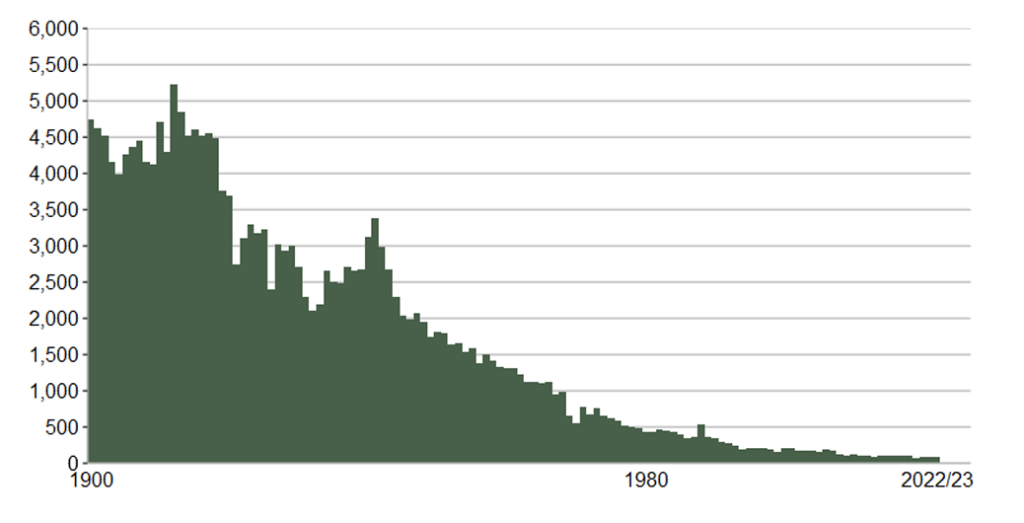
According to HSE statistics, fatal injuries in the workplace have decreased dramatically since the Act's implementation, highlighting its effectiveness in preventing accidents.
Enhanced Employee Well-being
The HSWA's emphasis on a safe working environment extends beyond physical safety to encompass overall employee well-being. By mandating ergonomic assessments, mental health considerations, and stress management programs, the Act has contributed to a more holistic approach to worker health.
This focus on well-being has been linked to increased job satisfaction, higher productivity, and reduced absenteeism.
Legal Protection and Empowerment
The HSWA provides a robust legal framework that empowers employees to demand safe working conditions. Workers have the right to refuse work that poses a serious risk to their health and safety without fear of retaliation.
This legal protection has fostered a culture where safety concerns are taken seriously, and employers are held accountable for maintaining safe workplaces.
The Role of the Health and Safety Executive (HSE)
The HSE has played a pivotal role in the successful implementation and enforcement of the HSWA. As an independent regulator, the HSE conducts inspections, investigates accidents, and provides guidance to ensure compliance with safety regulations.

The HSE's proactive approach includes the development of industry-specific safety standards and the promotion of best practices.
Inspections and Enforcement
Regular inspections by the HSE have been instrumental in identifying and rectifying safety violations. These inspections are not merely punitive; they serve as educational opportunities for organisations to improve their safety protocols.
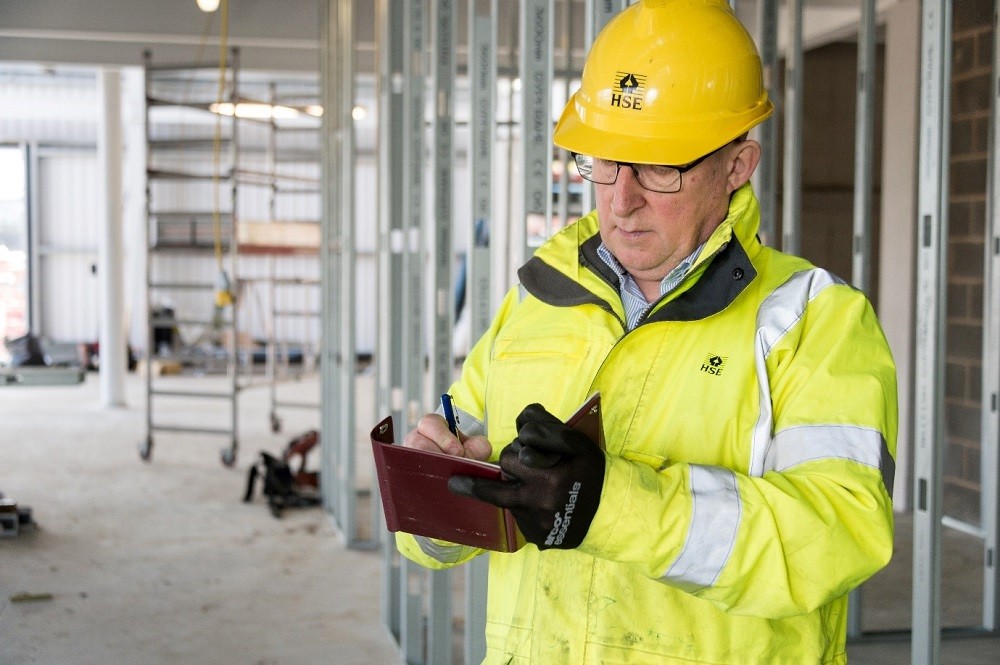
The HSE's enforcement actions, including prosecutions and fines, act as a deterrent against non-compliance, reinforcing the importance of adhering to safety standards.
Guidance and Support
The HSE provides a wealth of resources to help employers and employees understand their responsibilities under the HSWA.
This includes detailed guidance documents, case studies, and online tools designed to assist in the development and implementation of effective safety management systems.
The HSE’s support has been invaluable in promoting a culture of safety and ensuring that organisations of all sizes can comply with their legal obligations.
Industry-Specific Impacts
Different industries have unique safety challenges, and the HSWA has been flexible enough to address these varied needs.
Let’s explore how the Act has specifically benefited several key sectors.
Construction
The construction industry is historically one of the most hazardous sectors. Prior to the HSWA, construction workers faced significant risks due to a lack of standardised safety practices.
The HSWA introduced mandatory risk assessments, safety training, and the use of personal protective equipment (PPE), significantly reducing the number of fatal and serious injuries on construction sites.
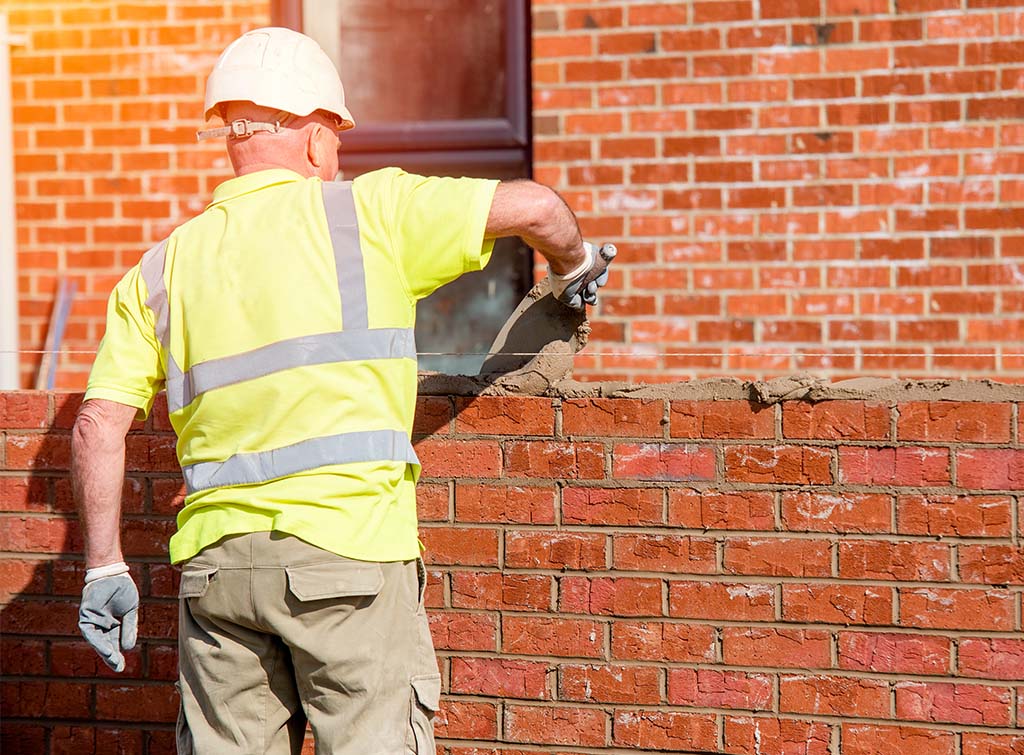
The establishment of the Construction (Design and Management) Regulations under the HSWA has further enhanced safety by ensuring that safety considerations are integrated into the planning and design stages of construction projects.
Manufacturing
In the manufacturing sector, the HSWA has driven the adoption of safer machinery, better training programs, and improved operational procedures.
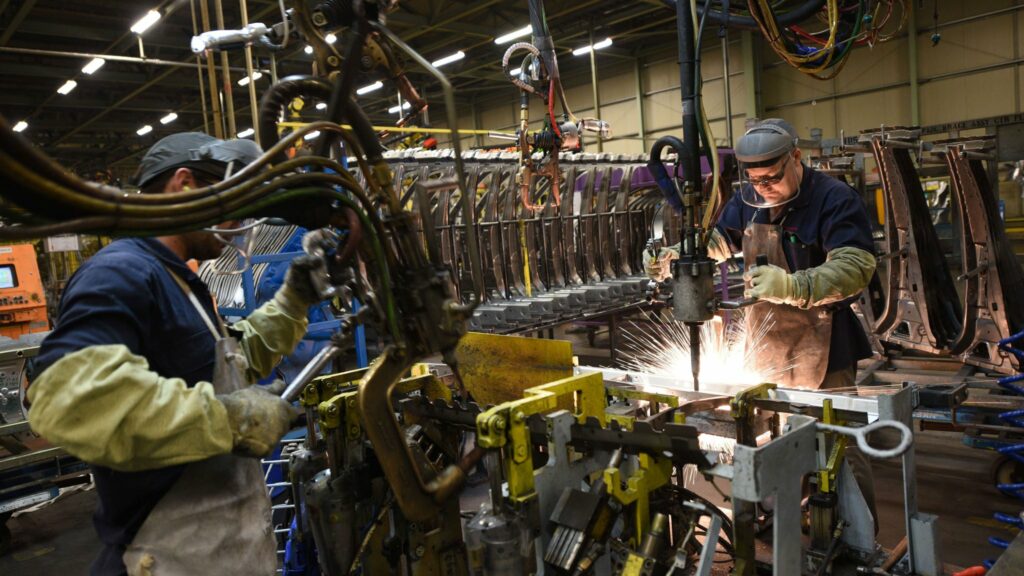
The introduction of safety audits and regular equipment maintenance checks has minimised the risk of accidents caused by machinery malfunctions. Additionally, the emphasis on hazard communication and chemical safety has protected workers from exposure to harmful substances.
Healthcare
Healthcare workers face unique risks, including exposure to infectious diseases and physical strain from patient handling. The HSWA has led to the implementation of rigorous infection control protocols, safer patient handling techniques, and the use of ergonomic equipment.
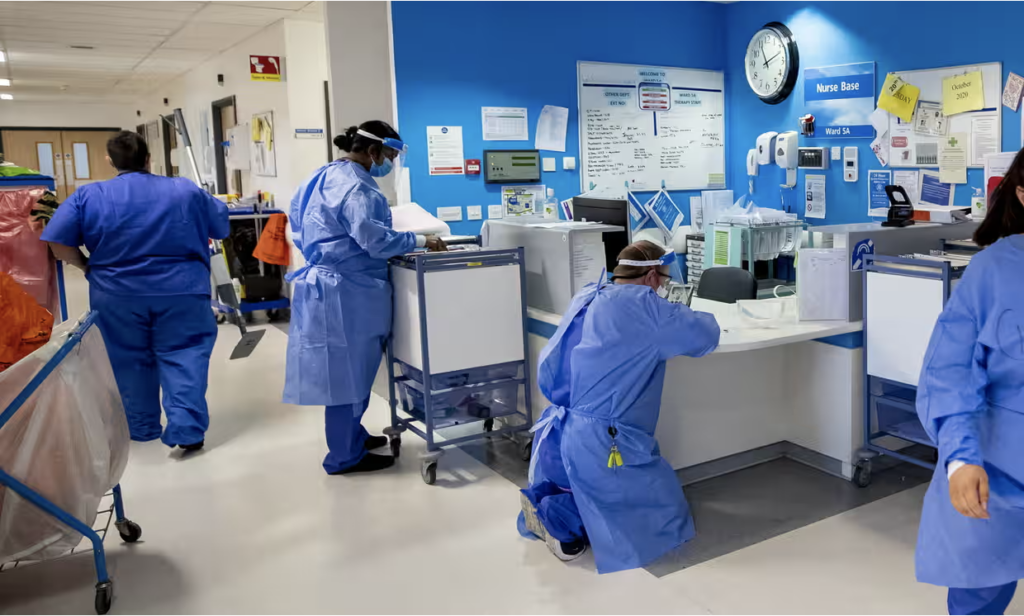
These measures have not only improved the safety of healthcare workers but also enhanced patient care by ensuring that healthcare environments are safer and more efficient.
Agriculture
Agriculture is another sector where the HSWA has had a profound impact. The introduction of safety standards for the use of machinery, pesticides, and other hazardous substances has made farming significantly safer.

The Act’s requirements for training and protective equipment have helped reduce the high rates of accidents and injuries that once plagued the agricultural sector.
The Evolution of Workplace Safety Culture
The HSWA has been instrumental in fostering a culture of safety that extends beyond mere compliance with regulations. It has encouraged a shift towards proactive risk management and continuous improvement in safety practices.
From Compliance to Proactive Safety Management
Initially, the focus of the HSWA was on ensuring compliance with minimum safety standards. Over the years, however, there has been a significant shift towards proactive safety management.
Organisations are now encouraged to go beyond compliance, identifying potential hazards before they lead to accidents and continuously improving their safety protocols.

This proactive approach has been facilitated by advancements in technology, such as the use of predictive analytics and real-time monitoring systems.
Employee Involvement and Safety Leadership
The HSWA has emphasised the importance of involving employees in safety initiatives. This collaborative approach has led to the development of safety committees and the appointment of safety representatives who play a crucial role in identifying hazards and promoting safe practices.
Moreover, the concept of safety leadership has gained prominence, with senior management taking an active role in championing safety and setting a positive example for the entire organisation.
Future Challenges and Opportunities
As we celebrate the 50th anniversary of the HSWA, it is important to recognise the evolving landscape of workplace health and safety and the new challenges that lie ahead.
Technological Advancements
Technological advancements, including automation, artificial intelligence, and wearable technology, offer new opportunities to enhance workplace safety.
These technologies can help identify hazards more quickly, monitor working conditions in real-time, and provide data-driven insights to improve safety protocols.
However, they also introduce new risks, such as cybersecurity threats and the need for workers to adapt to new systems.
Mental Health and Well-being
In recent years, there has been growing recognition of the importance of mental health and well-being in the workplace.
The HSWA’s framework is increasingly being applied to address issues such as workplace stress, anxiety, and depression.
Employers are encouraged to implement mental health support programs, provide training on mental health awareness, and create a supportive work environment that promotes overall well-being.
Globalisation and Supply Chain Safety
Globalisation has expanded the reach of UK businesses, creating new challenges in ensuring consistent safety standards across international supply chains.

The principles of the HSWA are being extended to address the safety and health of workers in global supply chains, emphasising the need for ethical sourcing and the protection of workers’ rights worldwide.
Conclusion
As the Health and Safety at Work Act 1974 reaches its 50th anniversary, its impact on the UK workforce is undeniable.
The Act has transformed workplace safety, significantly reducing accidents and illnesses, enhancing employee well-being, and fostering a culture of proactive safety management.
The establishment of the Health and Safety Executive and the development of industry-specific regulations have further strengthened the framework for protecting workers.
Looking ahead, the HSWA continues to provide a robust foundation for addressing emerging challenges and opportunities in workplace health and safety
As technology advances and the understanding of well-being evolves, the principles of the HSWA will remain essential in ensuring that the UK workforce is protected, empowered, and able to thrive in a safe and healthy environment.
This anniversary is not just a celebration of past achievements but a commitment to ongoing improvement and innovation in the pursuit of safer workplaces for all.
As we approach the 50th anniversary of the Health and Safety at Work Act 1974 (HSWA) on 31st July 2024, it is a good time to reflect on the profound impact this landmark legislation has had on the UK workforce. Introduced at a time when workplace safety was far from guaranteed, the HSWA has transformed […]
Anyone working in a cold environment is at risk of cold stress. In several industries, employers require workers to work outdoors in cold environments for extended periods of time, and spending too much time in the cold can have fatal consequences.
Cold stress is just the beginning of the issues that could follow, but it is preventable if workers are taking the relevant steps in protecting themselves when working out in cold temperatures.
But cold stress is not just an outdoor health and safety risk - workers in cold stores, refridgerated warehouses, even supermarket workers in the fridge aisle can suffer from stresses caused by the cold.
However, not everyone is aware of the condition, so what is cold stress?
- Page Contents
- What is cold stress
- How to spot cold stress
- Who is at risk
- How to avoid cold stress at work
- Protective clothing to avoid cold stress
When workers get used to cold conditions, they might struggle to recognise when they are close to this condition. They might already have it and remain unaware of the potential consequences.
It is important to be aware of the changes in your body, and the relevant steps you should take if somebody is at risk.
We will examine the condition, its symptoms, the individuals at the highest risk, available treatments for those already suffering, and strategies for preventing it initially.
What is Cold Stress?
Cold stress is a serious condition that occurs when the body can no longer maintain its normal temperature. The results can be serious. People that work in cold environments may develop other cold-related illnesses and injuries resulting in permanent tissue damage, or even death.
Work conditions with low temperatures (below 10℃/50℉), high wind speed (over 40MPH), humidity, contact with cold surfaces or water, and inadequate clothing define cold environments.
When someone is working in a cold environment, the conditions force the body to work much harder to maintain its temperature as the cold atmosphere draws heat from the body. While it is clear that working in below freezing temperatures combined with inadequate clothing puts you at risk, it is easy to overlook all the factors mentioned above that can increase your risk.
Even moderate temperatures, when combined with factors such as working in the rain with high wind speed, can still cause serious harm.
What's the worst that can happen?
It is important to understand that cold stress is not the final condition from working in a cold environment for a lengthy period of time. It leads to much more serious conditions such as hypothermia and frostbite.
Hypothermia
Hypothermia results when the body temperature drops too low. If this occurs, then there would be numerous symptoms to look out for.
These include:
- Fatigue
- Excessive shivering
- Loss of coordination
- Feeling confused or disoriented
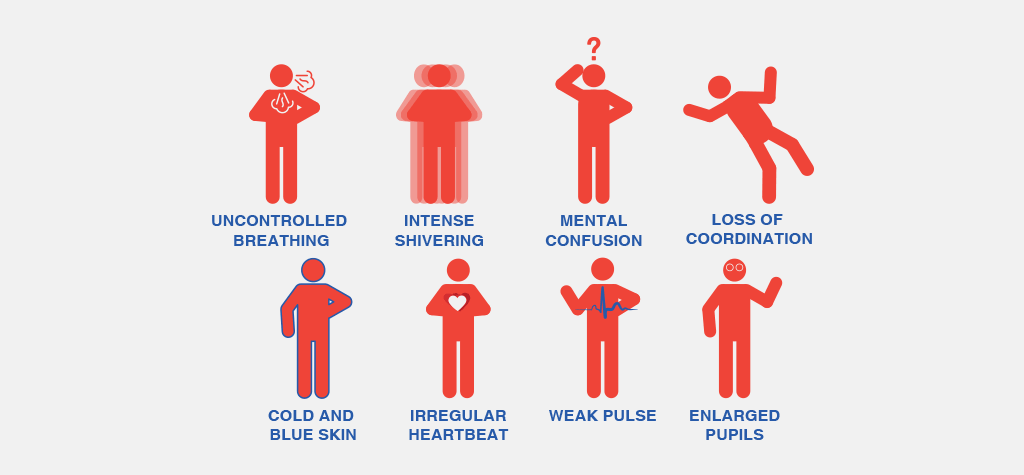
In the later stages, if the symptoms persist and the affected person does not receive prompt treatment, their skin could turn blue, pupils will dilate, pulse will slow down, they may lose consciousness, experience slower breathing, and eventually enter a coma.
Frostbite
At the more extreme end of the spectrum, frostbite can occur.
Frostbite occurs when the skin reaches minus one degrees Centigrade and the body reduces blood flow to the hands and feet to maintain its core temperature. In most cases, workers get frostbite from handling frozen foods, metal, or when they are in cold and wet conditions.
It often affects the nose, ears, fingers, and toes, with symptoms gradually worsening the longer the person is exposed to the condition. In the most severe cases, body tissue sustains such severe damage that amputation becomes the only solution.
The symptoms to look out for include early warning signs of:
- Pins and needles
- Numbness
- Cold, white skin which can turn blue and blotchy when the condition develops.
- The affected areas may begin to ache and thick black scabs begin to form on the skin as it thaws.
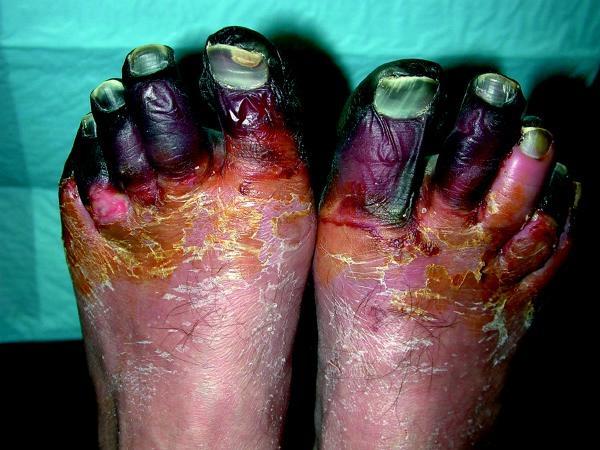
Prevention of these conditions is possible if symptoms are detected early or if measures are implemented to ensure the safety of workers when they must work in cold conditions.
Who is at risk?
The fact is, anyone working in a cold environment may be at risk, especially those that are working outdoors for extended periods. For example, snow and ice clean up crews will be out in the early hours to clear up the roads to make them safe for the public.
Sanitation workers are at risk because they will be out in a cold environment for an extended period of time.
Police officers and emergency services such as firefighters and emergency medical technicians will be working in the cold when responding to emergencies.
Construction workers might be spending a long time working in cold, wet or windy conditions. Working with metal as part of their job increases their risk of developing cold-induced conditions, especially if the worker is standing on, carrying or sitting on metal. Metal transfers heat away from the body quickly making these types of work environments much riskier.
However, certain individuals can be more prone to suffer from the condition than others because they might have a pre-existing condition, such as diabetes, hypertension or a cardiovascular disease.
Those on certain medications are also more likely to suffer and are advised to consult with their doctor, nurse, or pharmacy to determine if any medications they take might affect their ability to work in cold environments. While being older or in poor physical condition with an unbalanced diet also puts you at a much greater risk.
How do you avoid cold stress at work?
Luckily, there are measures you can take to protect yourself and your workers from developing the condition, and how to stay safe when working outdoors in a cold environment with high speed winds.
Working practices should be put into place for everyone on site to avoid cold stress risks. Everyone should frequently drinks warm liquids, but avoid caffeine (and alcohol) as it is easy to become dehydrated in cold weather.
Take the work schedule into account. Whenever possible, schedule heavy work during the warmer parts of the day. Enforce regular breaks in the heat to ensure that everyone has periods throughout the day in warm, dry shelters, allowing the body to warm up.
Implementing a buddy system is beneficial, as it allows two workers to keep an eye on each other and watch for symptoms. Regular training should also be enforced so workers have knowledge about cold-induced injuries and illnesses. Victims of hypothermia, for example, may not be able to recognise their own symptoms.
Protective Clothing for Cold Stresses
Wearing protective clothing is the most important way to stay safe. The type of fabric also makes a big difference. For example, cotton loses its insulation when it becomes wet whereas wool retains its insulative qualities even when wet, so the following are recommendations of what to wear when working in cold environments:
Wear at least three layers of clothing:-
- Wear an outer layer to break the wind and allow some ventilation.
- A middle layer of wool or fleece to absorb sweat and provide insulation, even when it gets wet.
- An inner layer of synthetic weave to allow ventilation.
It is important to wear a hat and head coverings too, as up to 40% of body heat is lost when the head is left exposed, especially in a cold environment.
Wear insulated boots that are sized appropriately, as tight-fitted footwear restricts blood flow, while too many socks can also do the same. Instead, pick a pair of thermally insulated socks instead as it will keep your feet warm and not lose its insulation either.
Wear warm, insulated gloves in cold working conditions as well, and make sure they are sized appropriately, especially when contacting metallic surfaces and tool handles.
If you do get hot while working, you can unzip your jacket but make sure you keep your hat and gloves on. The fact that you would be wearing three layers of clothing means unzipping your jacket will not affect you. Ensure all clothing is appropriately fitted and not too tight, as this can restrict blood flow. Loose clothing allows for better ventilation.
Having a change of dry clothing available is also beneficial, just in case the clothes you are working in become wet.
Are you PPE compliant for your outdoor workers?
Anyone working in a cold environment is at risk of cold stress. In several industries, employers require workers to work outdoors in cold environments for extended periods of time, and spending too much time in the cold can have fatal consequences. Cold stress is just the beginning of the issues that could follow, but it […]
As the temperature rises, it can be easy for your construction teams to ditch their personal protective equipment, but it is an employer's responsibility to provide the correct PPE and ensure it's used.
For outdoor construction workers, be theyworking on roofs, inside fitting, or even digging the foundations, the main dangers are UV exposure and overheating. Too much sunlight is harmful for your skin and can lead to short-term issues like sunburn and more serious, long-term effects like skin cancer.
It is important to find PPE for your workers that's not just comfortable but also protects them from exposure to the sun.
Here you will find construction site PPE that meets the required regulations but is also perfect for the hot summer months.
Safety Eyewear for Summer Working
When working on a busy construction site, there are always potential risks to a worker’s eyes. Items dropped from above, hazardous materials and dust, to name just a few.
The summer can be a hazardous time with bright sunlight, making it difficult to see dangers. Eyes are at risk of being strained, which can lead to blurred vision, sensitivity to light, and headaches.
The Portwest Umbra Polarised Spectacle are a perfect example of good eyewear for these risks. These safety glasses will provide you with 99% UV light protection and eliminate reflective glare. This will make it easy for your workers to see and avoid potential hazards.
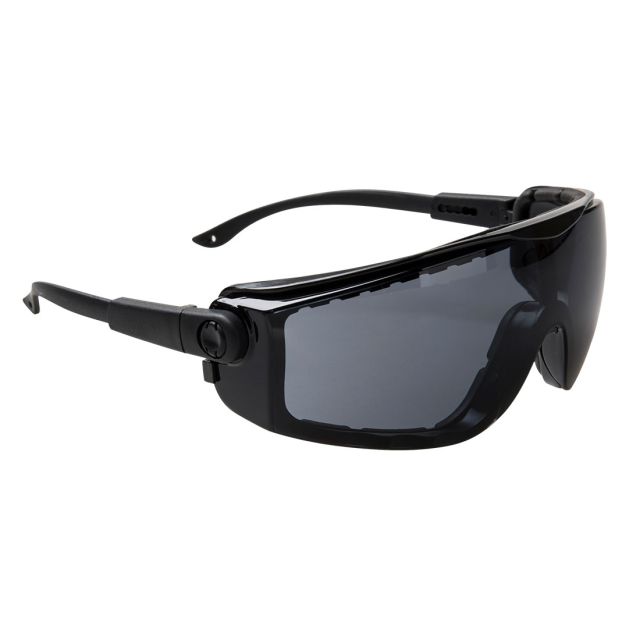
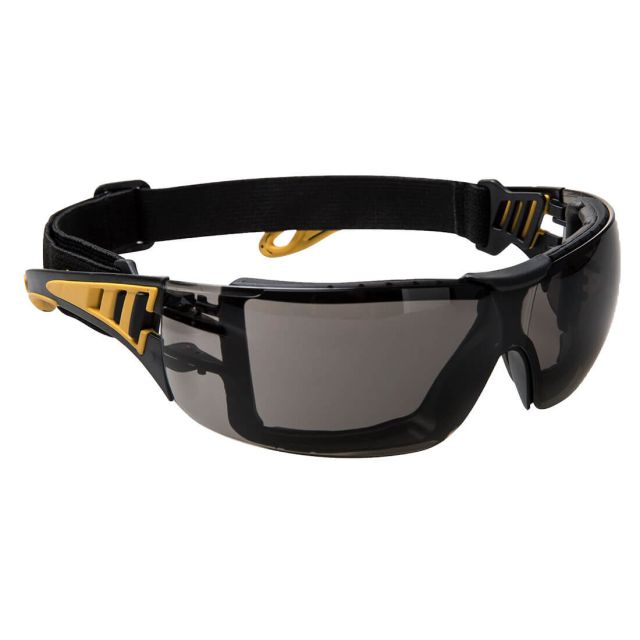
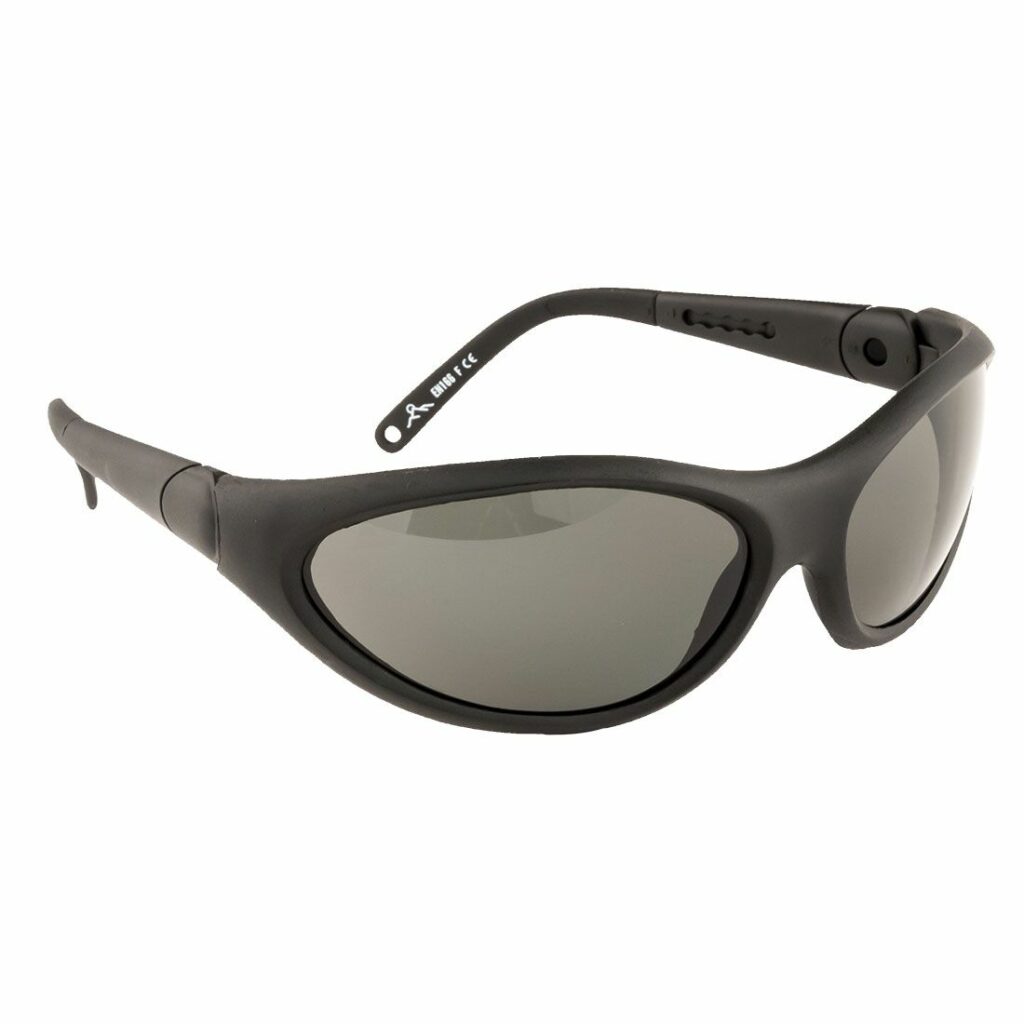
Many sites and/or tasks require your workers to wear safety goggles. You need to choose a design that offers you direct ventilation. This will prevent the goggles from fogging up and becoming a danger due to reduced visibility.
Safety Headwear for Summer Working
Falling objects and low ceilings are just two of the hazards that a hard hat protects workers from.
Hard hats are essential, but your workers may be tempted to work without them as they can cause overheating and sweating. You should provide hard hats that offer full UV protection, ventilation, a foam sweat band, and a retractable visor. This will reduce sweating whilst still keeping the wearer safe.
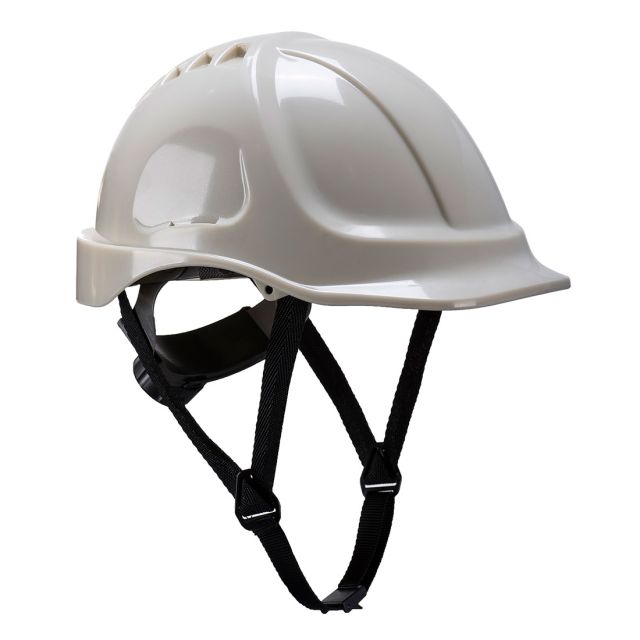
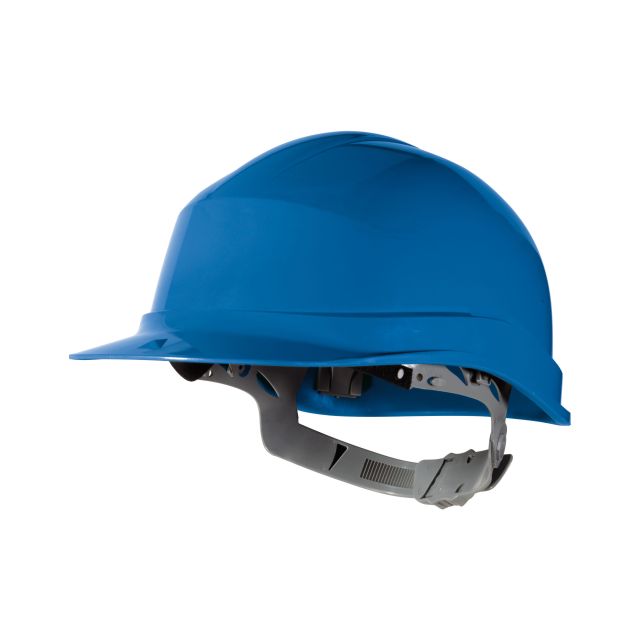
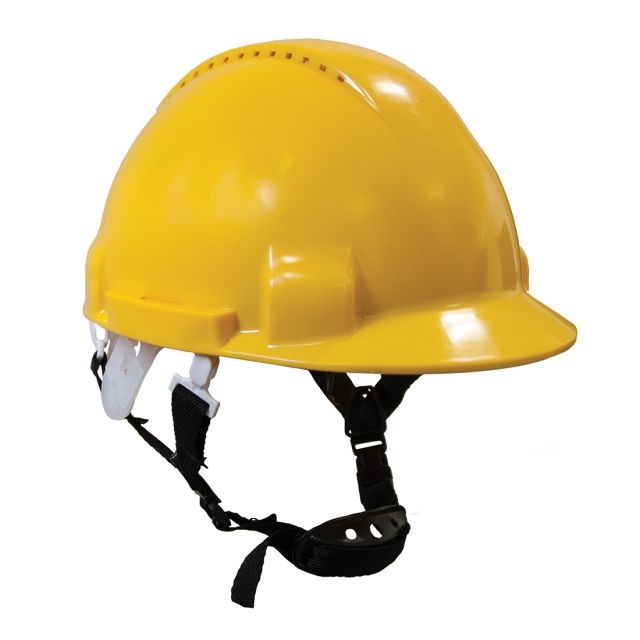
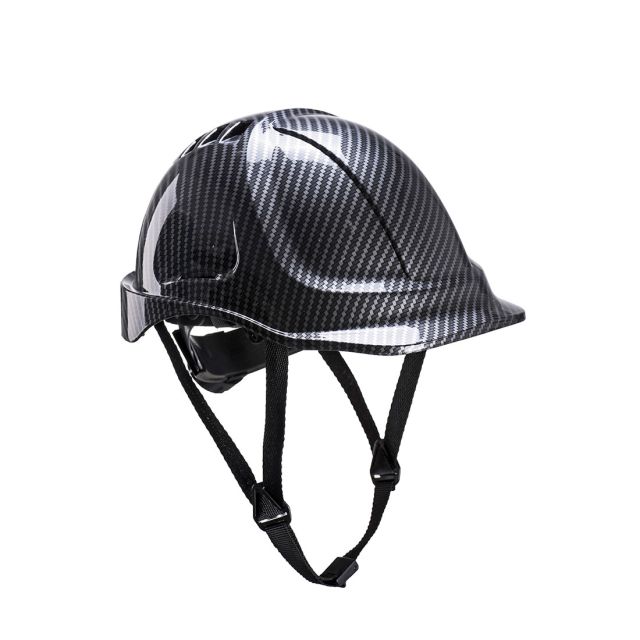
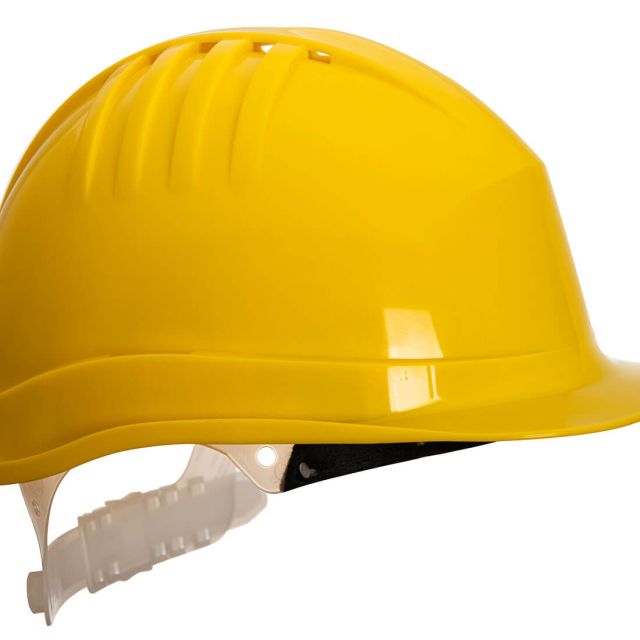
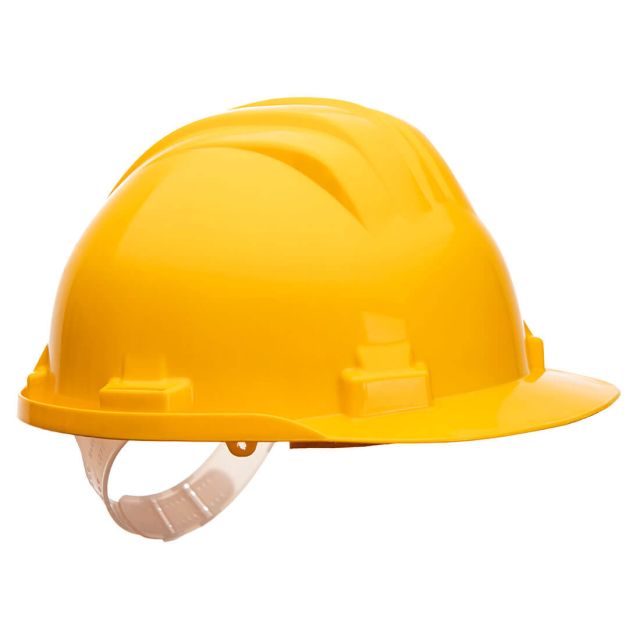
Some hard hats do not offer full UV protection, and it is important to find the ones that do. Speak to your staff about the dangers of exposure to sun and encourage them to wear sun cream and take regular breaks in the shade.
Safety Gloves for Summer Working
Cuts, abrasions, contamination, electric shocks, impact, hazardous chemicals, and temperature extremes are just some of the dangers that hands face on a construction site each day.
Specialised work gloves protect hands from injury when carrying heavy equipment, handling sharp tools and exposure to hot temperatures.
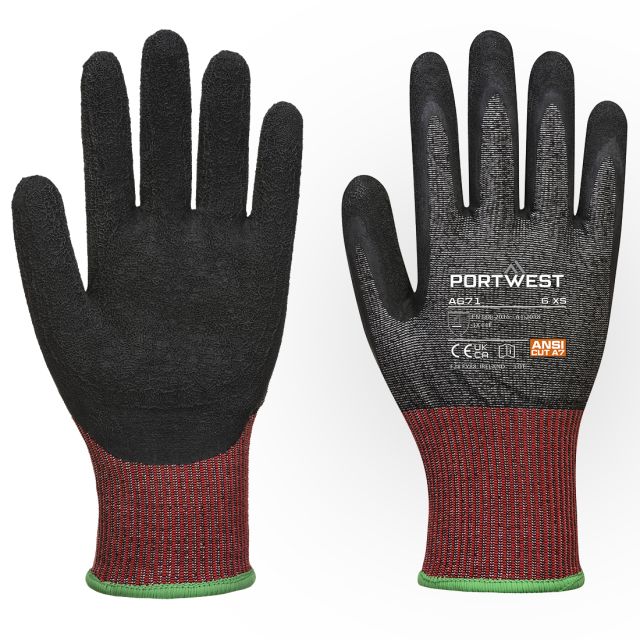
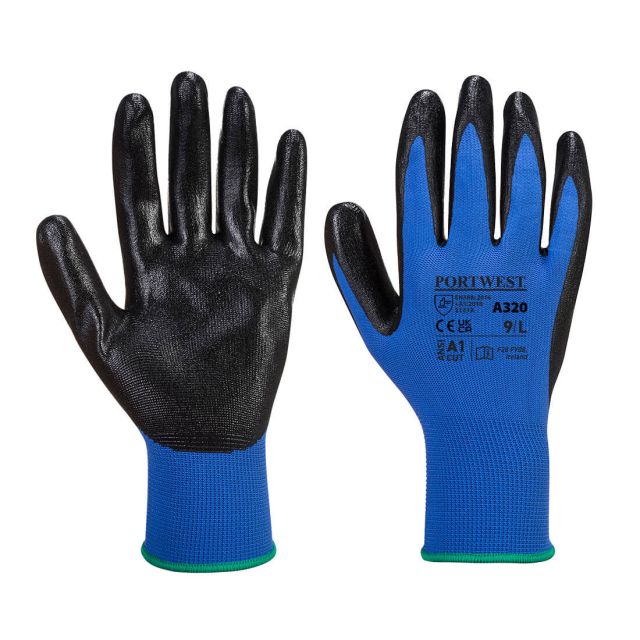
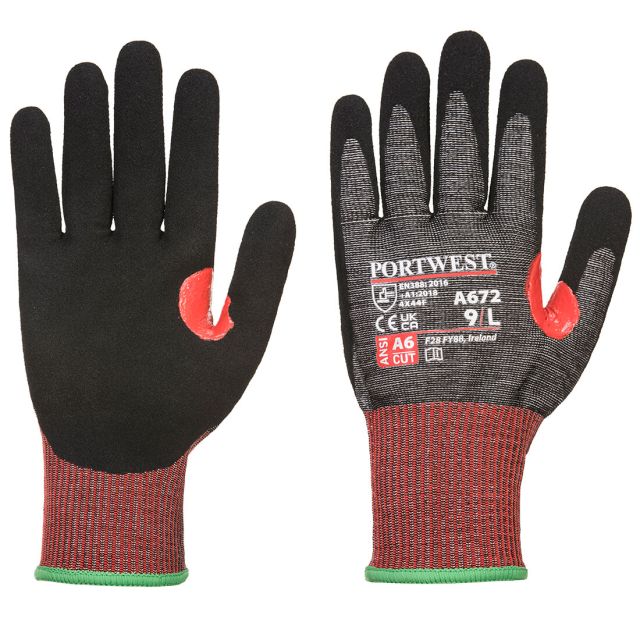
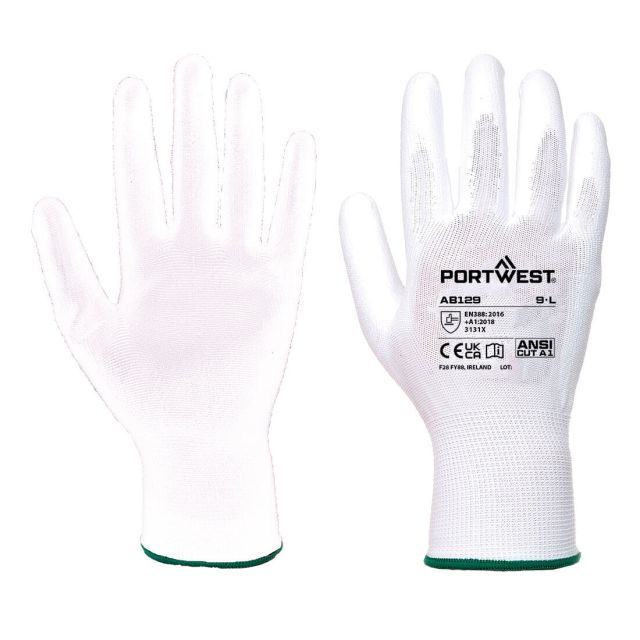
However, when you wear heavy duty gloves in the summer, they can make your skin hot and sweaty. This can lead to irritation and issues such as blisters. A solution to this problem may be to wear separate inner gloves that are made of cotton. This will reduce the impact of the coarser material on the skin.
You need to find gloves for your staff that offer excellent ventilation and are breathable. Having these gloves will prevent their hands from overheating and you worker will be more likely to keep them on in the sun.
Conclusion
Besides the summer construction site PPE, you will need to provide for workers on your team. There are some extra precautions you can take to reduce the risk of illness and injury caused by the sun and heat.
Regular water breaks prevent dehydration, and it is important to make sure teams are rotated so one group does not spend all day in the sun. This will not only keep them safe but also raise morale as your team will appreciate the effort you have made.
You can hold team meetings to highlight serious health risks UV exposure can cause and offer suggestions on how everyone can stay safe when working in the sun. When you take the time to do this, it reinforces a positive safety culture and shows your staff than you care about their well-being.
Do not ignore any potential symptoms like difficulty concentrating, dizziness, headaches, sweating, or vomiting, as these can be a sign that someone is experiencing dehydration or heat stress.
After you have found suitable PPE, it will ensure that you meet all the health and safety measures. However, there are clothing options that could reduce the risk of UV exposure and overheating.
Lightweight long sleeve shirts and pants protect the skin from UV, especially if they are dark. These will reduce health issues for workers, even if they would rather be in a t-shirt and shorts.
As the temperature rises, it can be easy for your construction teams to ditch their personal protective equipment, but it is an employer’s responsibility to provide the correct PPE and ensure it’s used. For outdoor construction workers, be theyworking on roofs, inside fitting, or even digging the foundations, the main dangers are UV exposure and […]
Most people know about the dangers of skin cancer and sunburn. But when your employees work outside in the summer, how can they protect themselves from these dangers? One of the easiest and most logical answers is sun cream.
Is it your responsibility to provide your workers with sunscreen as an employer?
The Ugly Truth About Suntans
In 2016, almost 2,300 people died from skin cancer. 86% of those cases are thought to be preventable. Although many people love having a suntan, there is a fine line between tan and burn. For people who do not live in a warm environment, even a suntan means the outer layers of skin have been damage.
A suntan is the body’s natural defence mechanism to protect itself from damaging ultraviolet rays. When this natural defence is overwhelmed, a toxic reaction results in a sunburn.
Does Sun Cream Prevent Cancer?
Sun cream can help protect the body from some types of skin cancer. Depending on the SPF (sun protection factor), sun cream protects the skin from UVA and UVB rays for a prescribed period of time.
This is important when working outside in the sun. Sun Protection factors measure how well the sun cream protects the skin from radiation that causes sunburn, damage, and contributes to skin cancer.
For example, your skin burns after 10 minutes of exposure to the sun. You then apply SPF 15, this would allow you to stay in the sun without burning for 150 minutes. A factor of 15 times longer than your normal burn time. It is a rough time estimate based on skin type, the sun’s intensity, and the amount of sun cream you use.
Always use a minimum of SPF 15 and apply the proper amount, reapplying every two hours. You need 2 milligrams per centimetre square of skin (an ounce for full body coverage). Many people under apply their sun cream, which only protects the skin by the square root of the SPF. This means half an application of SPF 30 will protect the skin only 5.5 times your burn factor (SPF 5.5).
Moderate sun tanning without burning can prevent any subsequent burns (but this line can be dangerous if crossed). As melanin protects the skin against overexposure, the skin tans. Sunburn can trigger direct DNA damage, which can trigger type I cell death and the skin is replaced, but the DNA damage can cause faulty replication later (which is cancer).
Sun cream is your best chance against the harmful rays whilst working, along with PPE, polarised safety specs, and hats.
Do Employers Need to Provide Sunscreen?
The short answer is no, there is no legal obligation to provide sun cream for your workers. However, The PPE at Work Regulation of 1992 notes that employees must be provided with suitable PPE for work conditions. This means work conditions and weather need to be taken into account.
Even though you do not need to provide sun cream, it is advised that you provide advice and training. If your workers do not manage their own PPE responsibilities, all you can do is reinforce the importance of their protective equipment and sun cream.
Figurative red tape prevents many employers from providing sun cream. What if it reacts with some people’s skin type? What if this cream is provided and workers still get burned (because they put themselves at risk) will they blame me?
If you do want to provide added protection, you may provide free sun cream, but ensure you disclaim against absolute protection.
You will need a disclaimer stating that you are not liable for employee misuse such as not applying enough sun cream or not applying every two hours. This is assuming you have put other safety factors in place - options for drinking water, shady spots, limiting exposure, appropriate clothing, and so forth.
SPF Breakdown
Most people think that if they load up on factor 50, they will load up on the protection, but that is not the case. Sun protection factor is a scale and not a linear measure.
- SPF 15 blocks 93% of UVB rays
- SPF 30 blocks 97% of UVB rays
- SPF 50 blocks 98% of UVB rays
- SPF 30 only blocks half of the radiation of SPF 15, so you are not doubling your protection by slapping on a higher SPF. Higher protection sunscreen like factors 75 and 100 only provide more UVA protection and do not provide a significant increase in UVB protection.
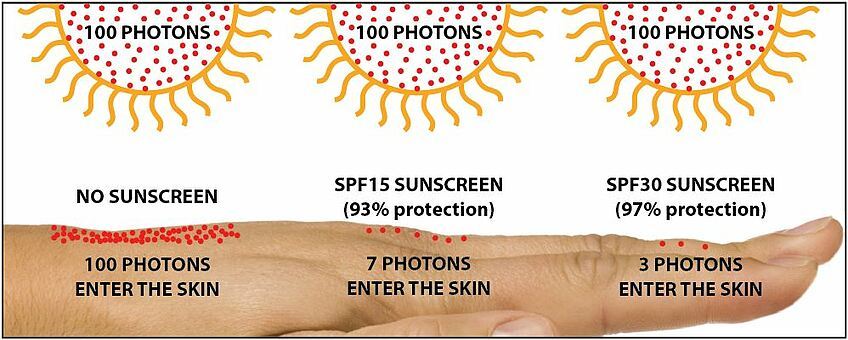
Conclusion
You need to provide appropriate protective clothing, headwear, and eyewear for your workers. Also, limit their exposure to the sun by scheduling work when the sun is not at its hottest.
This is usually from 10am to 4pm. Know that external weather factors also affect the sun’s rays. Such as cloud cover, proximity to water, sand, reflective surfaces, concrete, snow, and ice. Altitude and latitude also play a factor.
Allow your workers to take frequent breaks that are in shady spots and provide adequate water since the sun can not only burn your workers but cause fatigue.
Most people know about the dangers of skin cancer and sunburn. But when your employees work outside in the summer, how can they protect themselves from these dangers? One of the easiest and most logical answers is sun cream. Is it your responsibility to provide your workers with sunscreen as an employer? The Ugly Truth […]
High temperatures and blistering sunshine can pose a great danger for your employees working in the sun. You might think that in the UK, high temperatures are so rare that it's not worth worrying about. You'd be wrong. Skin can burn in minutes under strong sunshine, which can seem to come out of nowhere.
It is important that you understand the following risks and how you can keep your team as safe as possible when working outdoors and under the sun:
- Page Contents
- Change the Work Schedule
- Take Regular Breaks
- Be Aware of the Environment
- Provide PPE and Training
- Know the Dangers of Working in the Heat
Change the Work Schedule
Try to work your outdoor shifts when the UV rays are not at their strongest. The sun is strongest between 11am - 3pm. If possible, work indoors during this time. Or, you can start work first thing in the morning so the day’s shift can be completed before these times.
This way, you are keeping your employees out of the sun and protecting them from harsh UV rays.

The UV index is a great tool that shift managers can use when scheduling their workers’ rotas. The index provides a forecast for the UV levels in your area - from low to extreme. Try to schedule shifts when danger of exposure is at its lowest. Also, your employees can use it to determine which precautions to take when getting ready for work.
Take Regular Breaks
Schedule regular breaks throughout the day. Working outdoors in the sun can drain worker's overall energy, making them more susceptible to mistakes and accidents. Make sure you allow enough time for your team to get some shaded rest time and re-hydrate.
And make hydration part of the risk assessment by asking if the workers have enough water and advising where they can get more. If there is no immediately obvious water source, provide one, maybe provide company branded refillable water bottles.
This will also help boost their morale and overall productivity, making sure that your entire workforce is working as efficiently as possible. Adding in some iced refreshments courtesy of the bosses never hurts morale either.
Be Aware of the Environment
Reflective materials can intensify your workers’ exposure. These are glass, water, concrete, and sand. They all reflect the heat and UV rays even under shaded areas.
When your employees work around these reflective material, you need to consider the effect it will have on you and your team’s health.
Keep the drinking water, sun cream, and rest breaks always close by.
Provide proper workwear, PPE and training
Personal protective equipment is vital for protecting your employees when working in the sun. Outdoor workers are usually partial to topping up that tan as soon as the sun breaks through the clouds but, it is not safe for them to do so.
Outdoor workers should be kitted out in lightweight long sleeved tops such as a long sleeved t-shirt and long trousers to minimise their skin exposure. A pair of cargo work shorts are tempting, but unless your workforce tops up their sun cream regularly, this can put them at risk.
To further protect your staff, if a hard hat is required on site, a full brim hard hat would not be the first thing to mind, but would offer day-long shade for the neck. If no hard hat is required, perhaps opt for legionnaire's cap with fabric to cover the neck.
As well as providing workwear and headwear, ensure your employees understand it is important they wear and use it. You can provide additional information on how they can protect themselves.
Sun cream is a great start. You do not legally need to provide your workers with sun cream, however, advise them to wear a minimum SPF factor of 15. It will need regular application. Every two hours is a good interval, as it will wash off with the sweat of carrying out their physical duties.
Know the Dangers of Working in the Heat
Working in the sun is better than working outdoors in the rain. But with that comes different risks. The sun can be detrimental to your health if you are not protected.
When the weather is nice, it is usually outdoor workers who like to be the first to take advantage of it. It is not unusual to see a builder without a top on. However, too much exposure to the sun could lead to skin cancer. Most cases of skin cancer result from UV radiation.
This direct exposure to UV radiation poses a great threat to your worker’s health. Not only can it lead to skin cancer, it can also cause various eye problems.
The two most common types of eye problems caused by chronic UV exposure are:
- Macular degeneration - this is a medical condition that may cause blurred or no vision.
- Pterygium - this is a cancerous growth that can obstruct vision.
As such, it may be a good idea to provide a PPE safety spectacle with a UV protection or polarised lens to reduce eye strain such as those shown below.
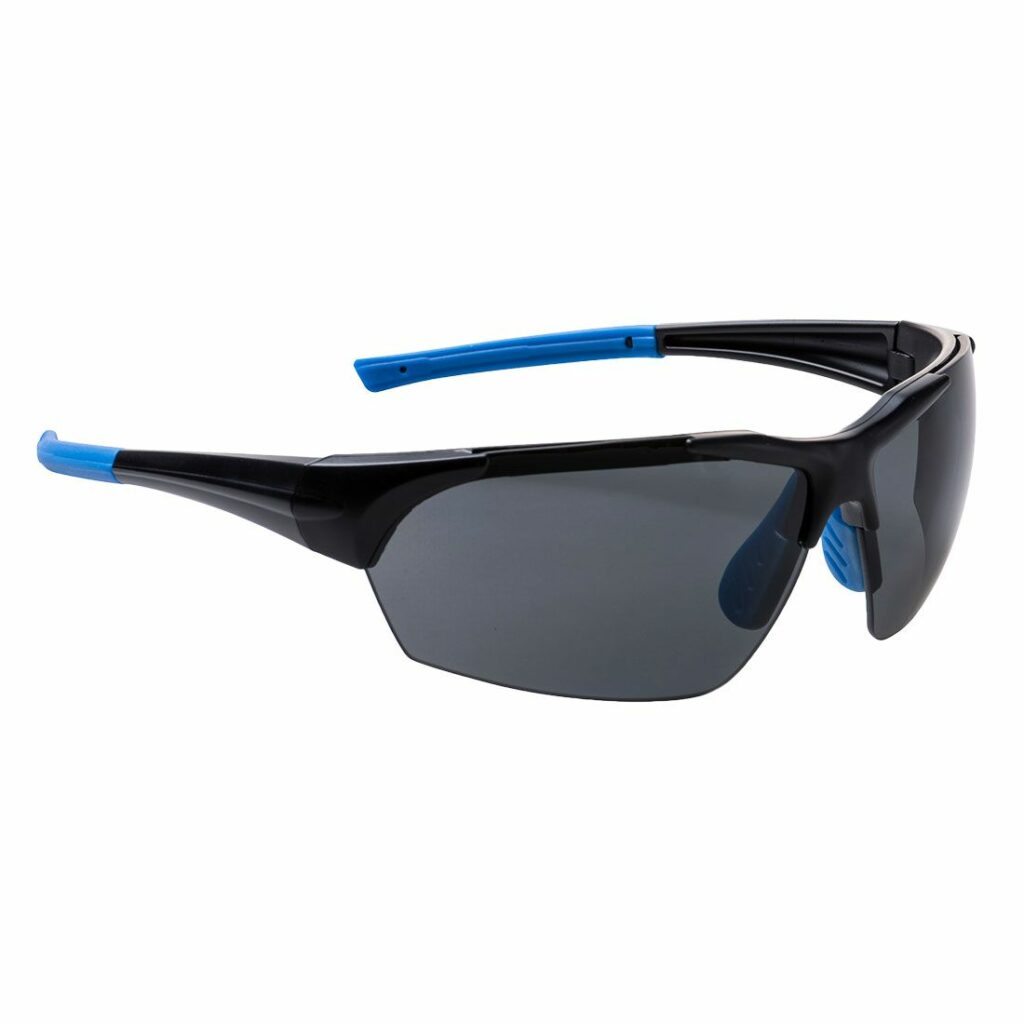
Conclusion
Working in the sun can prove detrimental to your employees’ health, especially if they do not have the correct personal protective equipment.
Your employees’ health and safety should be your main priority at work. It is important that you understand the dangers of working in the sun and can train your staff on how they can avoid these.
High temperatures and blistering sunshine can pose a great danger for your employees working in the sun. You might think that in the UK, high temperatures are so rare that it’s not worth worrying about. You’d be wrong. Skin can burn in minutes under strong sunshine, which can seem to come out of nowhere. It […]
The British weather is (in)famous for its rain, meaning that those who work outside are at risk of getting wet. Are there any specific ‘working in the rain’ regulations? What are an employers’ responsibilities when employees are working in wet weather? Do you continue to work in the rain?
- What Should You Know?
- PPE Regulations
- Weather Exposure
- Protecting Yourself from the Elements
- Legal Requirements for Workplace Temperature
- Prioritise Safety in Adverse Conditions
What Should You Know About Working in the Rain?
There are no UK regulations to say that workers cannot work in the rain. However, safety measures still need to be in place. Employers need to provide suitable protective clothing for employees that may need to be insulating or heat resistant and slip-resistant safety footwear.
It is important to acclimatise your workers to their environment. Train your workers on any precautions they need to take and supervise the environment to make sure everyone is as safe as possible.
PPE Regulations
The Personal Protective Equipment at Work Regulations of 1992 specifies that employers provide their staff with free protective equipment. The equipment should be fit to use, fit correctly, and be maintained. Employers must also provide training on how to use the equipment.
Updated in 2002, regulations note that equipment must be CE-marked. It is also important to make sure your health and safety policy is up to date.
Weather Exposure
Snow exposure can increase the likelihood of accidents such as slipping and falling. But most do not realise rain and cold can be just as damaging.
Those working in the rain are just as likely to have an injury and the single most common injuries caused in the UK are slipping and tripping.
When driving, stopping distances can double, so it is important that your workers driving vehicles know of conditional changes and adapt.
Exposure to cold and rain can cause cold stress, chilblains and, in more serious cases, hypothermia and frostbite.
Chilblains are itchy red patches on the skin caused by being in the cold. They appear on fingers and toes and can appear on your face and legs when exposed to cold and damp conditions.
Frostbite causes the affected parts to feel cold and painful. It can affect any part of your body.
Hypothermia results when the body temperature drops too low. If this happens, you will be fatigued, shiver, lose coordination, and can become confused. Your skin may turn blue, have dilated pupils, a slow pulse, may become unconscious, slowed breathing, and stop shivering.
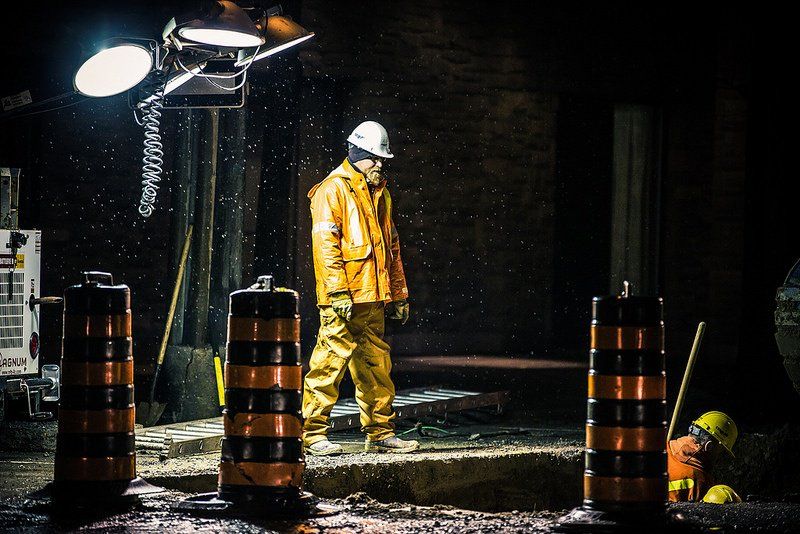
Protecting Yourself from the Elements
In rainy conditions, your workers will want waterproof trousers, waterproof coats and waterproof shoes or safety boots. Waterproof clothing, however, is not always windproof, and after hours of exposure, it is not always waterproof either. When you are wet and cold, you are at a greater risk of making mistakes and poor decisions that could result in a safety issue.
If hi vis is required, opt for a waterproof hi vis over-trouser and jacket set and make sure the clothing meets PPE regulations.
Legal Requirements for Workplace Temperature
The law informs us of the minimum workplace temperature but not the maximum. Temperatures indoors have to be “reasonable.”
The minimum temperature is 16° Celsius. If you are working and moving rigorously, such as outdoor work, the minimum temperature should be at least 13° Celsius. However, the grey area is that employers have the duty to determine what is considered reasonable and comfortable.
A thorough risk assessment should be done in all conditions including rainy conditions and your employer has a duty to protect you from harm.
Prioritise Safety in Adverse Conditions
Make sure you have site supervisors who are trained in recognising conditions caused by the rain and cold, such as frostbite, chilblains, and hypothermia. Report all incidents and treat immediately.
It is also a good idea to limit exposure and rotate workers so that everyting works properly. For example, since waterproofing does not always last all day, give your workers opportunities for breaks, to change clothes, and get dry and warm before sending them back out in those conditions again.
Rotate your workers to avoid these problems too, or on wet and cold days try to find alternative jobs. Always make sure your staff have the right equipment for conditions.
Conclusion
There are no regulations about working in the rain but there still needs to be safety measures in place. Employees must equip their staff with free equipment and provide training on how to use it.
Your staff are just as likely to have an injury in the rain as they are in the snow. It is important to protect your workers with the right workwear, such as waterproof clothing and safety boots.
Make sure you are adhering to the Health & Safety laws and check the temperature your staff are working in. Most importantly, prioritise the safety of your workers.
The British weather is (in)famous for its rain, meaning that those who work outside are at risk of getting wet. Are there any specific ‘working in the rain’ regulations? What are an employers’ responsibilities when employees are working in wet weather? Do you continue to work in the rain? What Should You Know About Working in the Rain? […]
With the Health and Safety Executive (HSE) reporting that there were 581,000 employees sustaining non-fatal injuries at work in 2018/19, it still seems that not enough is being done to protect workers.
But what are the legal obligations faced by UK employers? What can be done to mitigate risk, and what are the consequences of getting it wrong?
- Page Contents
- What Is The Law?
- (HSWA-1974) - Health and Safety at Work etc. Act 1974
- (RIDDOR) -Reporting of Injuries, Diseases and Dangerous Occurrences Regulations
- (MHSWR-1999) - Management of Health and Safety at Work Regulations 1999
- (PPEWR-1992) - Personal Protective Equipment at Work Regulations 1992
- Other Regulations
- Legal Boundaries
- How To Carry Out Risk Assessment
- Personal Protective Equipment
- The Importance of Staff Training
- The Legal Consequences Of Getting It Wrong
- Employer's Liability Insurance
- Conclusion
What Is The Law?

There is a wide range of health and safety regulations, covering employer’s legal responsibilities generally, and detailed rules for specific industries.
The main regulations you need to be aware of are:
Health and Safety at Work etc. Act 1974 (HSWA)
This is the primary work safety legislation, and sets out employers’ general duties towards employees and the public. This Act also sets out the criminal consequences of breaking health and safety law.
RIDDOR (The Reporting of Injuries, Diseases and Dangerous Occurrences Regulations 1995)
RIDDOR requires companies to report work-related accidents, illnesses and near-misses to the Health and Safety Executive (HSE) and other bodies.
Employers must record the details of certain incidents in an accident book. Reportable incidents include fatalities, serious injuries, injury or illness that causes over seven days off work, and cases of occupational diseases like HAVS, asthma and dermatitis.
The Management of Health and Safety at Work Regulations 1999
These regulations require employers to carry out regular health and safety risk assessments. Employers must act to manage the risks they identify.
Employers must also:
- Have a written health and safety policy
- Appoint a suitable health and safety representative
- Provide health and safety training to staff
Full Details of MHSWR1999 Here
The Personal Protective Equipment at Work Regulations 1992
The PPE regulations mean that employers must provide suitable protective equipment to staff wherever a health and safety risk exists. Companies must also ensure workers are trained to use the PPE correctly.
Full Details of PPEWR1992 Here
Other regulations
Health and safety duties are also set out in other legislation, including:
- The Manual Handling Operations Regulations 1992, covering duties relating to lifting, carrying and other physical tasks. Details >
- The Provision and Use of Work Equipment Regulations 1998, setting out obligations to provide tools, machinery and other work equipment that is safe to use and fit for purpose. Details >
- The Working Time Regulations 1998, which defines workers’ rights to rest breaks, maximum working hours and annual leave. Details >
Legal Boundaries
It is a criminal offence for an employer to neglect their legal duties under the HSWA and other legislation.
A worker does not need to have been actually injured for the HSE to take action. An employer’s failure to manage the risk of harm is enough.
The consequences for failing to follow applicable regulations range from the HSE issuing formal advice to prosecution and unlimited fines. In serious cases, offenders may face imprisonment.
How To Carry Out A Risk Assessment

As an employer, you have a legal duty of care to provide a safe working environment for your employees. This duty extends to self-employed workers, contractors and even visiting members of the public.
Although there is a significant amount of bureaucracy associated with health and safety, it is not enough to treat risk management as a form-filling exercise.
Effective risk management means identifying areas of risk in the workplace and implementing practical measures to mitigate them.
Areas of risk can relate to:
- The overall state of the working environment
- The tools and equipment used by employees
- Working practices and procedures
- Hazardous substances (e.g. harmful chemicals, asbestos etc.)
- Off-site and remote working (e.g. home workers, drivers etc.)
- Individual employee vulnerabilities (e.g. workers with existing disabilities)
The risk assessment process should reference as many sources as possible to identify specific areas of risk. These could include:
- Seek feedback from employees who will usually be aware of the risks they face
- Review historical company accident records including near misses
- Read your existing risk assessment and review its effectiveness
- Review legislation and best practice guides for your sector
- Walk around all of the company’s premises and actively observe workers doing their jobs
- Consider an external review from a health and safety expert.
Personal Protective Equipment (PPE)
Work that endangers health and safety should only proceed if there is no alternative. Suitable PPE must be provided for workers identified as at risk by the assessment.
The PPE must be readily available at the place of work. Training in the use of PPE must also be provided by the employer.
You should consider the individual needs of employees that may find the standard PPE uncomfortable. For example, workers wearing glasses or prescription goggles may find it difficult to wear ear protection.
Special consideration should also be given to staff who have already sustained some degree of injury or disability, e.g. providing extra hearing protection to a worker with existing hearing loss.
Selecting the correct PPE
The correct PPE will depend on the nature of an employee’s work, and on the nature and seriousness of risks to the worker’s health.
All forms of PPE have their own safety ratings and multiple levels of safety within those ratings. You can find all the information you need in our free guides:
- Respiratory Protection
- Hearing Protection
- Eye Protection
- Safety Footwear
- Head Protection
- Hand & Arm Protection
Remember PPE is considered a last line of defence against risks that cannot be mitigated by other means - it is no substitute for safe working practices, training, good housekeeping or risk reduction.
The Importance Of Staff Training

Under health and safety law, employers must provide their workforce with suitable health and safety training. Training should be tailored to suit the needs of the staff being trained. There’s no point locking workers in a classroom for hours, if more practical ‘on the job’ training is more engaging and effective.
Staff must be trained to perform the roles expected of them. Both management and workers must understand and respect the risks associated with carrying out tasks staff are not trained for.
The effectiveness of training and information should be monitored, either by an appointed rep or by a third party, and ‘booster’ session should be provided to make sure that standards don’t slip.
The methods used to train staff must be regularly reviewed and updated. Reasons for updating training materials include:
- The law has changed
- A risk assessment or accident has highlighted a training gap
- New machinery or PPE will be used
Do you need a trained First Aider?
By law, employers must make suitable first-aid arrangements for their workforce. What this means in practice will depend on the situation.
If you run a small office, it may be enough to buy a first-aid box and nominate a person to handle first aid protocol in the event of an accident.
Bigger workplaces, and wherever there is a bigger risk of injury, should have a trained first-aid provider. You can arrange for one or more members of staff to be given certified first-aid training.
In some cases, you may need to provide a fully-stocked first-aid room, with appropriate supervision.
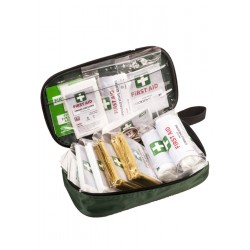
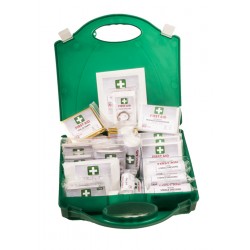
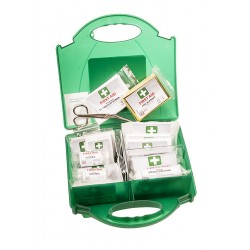
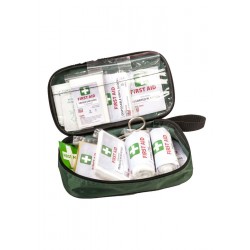
As in all areas of health and safety, a company’s approach to first-aid must be suitable and fit for purpose. Staff should be clearly informed as to what to do in the event of an incident, and first-aid needs should be checked on a regular basis.
The Legal Consequences Of Getting It Wrong

If an employee is injured whilst doing their job and the employer has failed in its duty of care to provide a safe working environment, the employer could be sued.
Employees have up to 3 years from the date of diagnosis of an injury or illness to start a compensation claim against an employer. If it can be established that the injury resulted from the accident or exposure at work, and the employer was in breach of its health and safety obligations or failed in it's duty of care, a work accident claim is likely to be successful.
Employer’s Liability Insurance
Under the Employers’ Liability (Compulsory Insurance) Act 1969, UK employers are legally required to have insurance that meets the cost of compensation for employees’ injuries or illnesses.
Insurance should not be seen as a replacement for providing the safest possible working environment. An insurer cannot refuse to pay compensation as a result of employer negligence. However, if the insurer believes that the employer has been remiss in its health and safety obligations, it might sue the employer to recover the compensation.
Conclusion
The duties imposed on employers are wide-ranging, but most are also a matter of common sense.
The HSE provides a range of helpful guides and checklists to help support companies to do everything they can to safeguard the health and safety of their workers.
It is important to treat all health and safety risk management as a worthwhile, positive opportunity to promote company values and exchange ideas and concerns across management and the workforce.
If only lip service is paid to the regulations or assessments are treated as a box-ticking exercise, this attitude will infect the whole company. Workers are less likely to feel like the company has their back, and accidents and injuries are more likely to happen.
With the Health and Safety Executive (HSE) reporting that there were 581,000 employees sustaining non-fatal injuries at work in 2018/19, it still seems that not enough is being done to protect workers. But what are the legal obligations faced by UK employers? What can be done to mitigate risk, and what are the consequences of […]
The weather can play a huge role in dictating whether or not it is safe to be working outdoors. Working in high winds is a risk that is less discussed but it can be just as deadly to ignore. Workers need to know the risks and hazards associated, and how best to mitigate them.
Severe wind storms are highly dangerous and some gusts can be very unpredictable, blowing in suddenly and taking workers off guard. These storms are often a result of straight line winds, which is any thunderstorm wind that blows constantly between 10 and 40 mph with sudden blasts of 50MPH or more at any moment.
What are The Risks & Hazards Associated with High Winds?
The hazards associated with high winds depends on the specific type of work and worksite. But generally, the main risks and hazards include:
- Strains, sprains and broken bones or joints from doors and objects being forcefully pulled from the operator's hands
- Objects being blown around and hitting workers or members of the general public
- Slips, trips and falls due to workers reacting to objects that are falling or being blown around
- Eye injuries due to dust and debris flying around
- Dropped loads due to wind affecting the completion of lifts
- Objects (potentially heavy ones) being blown from elevated surfaces
How to Mitigate These Risks
Once you have identified the risks and potential hazards, you can begin to take precautions to make working in high winds as safe as possible.
Secure all objects and equipment
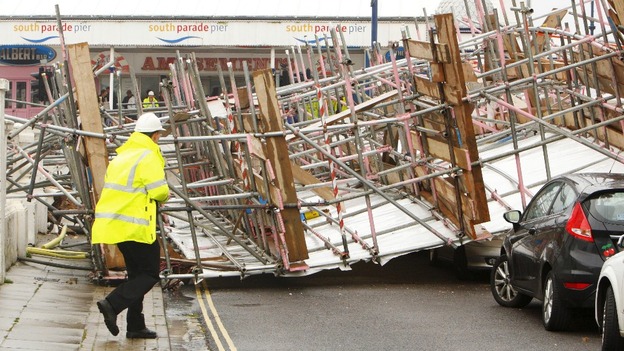
One of the main hazards presented by high winds is that they cause objects to be lifted and blown around, which can severely injure workers and members of the general public. The image above shows a scaffold that blew over in Brighton in 2012. Luckily nobody was on it and nobody was passing at the time, but it caused major damage to parked cars - and obviously could have been much worse.
A wind-related disaster happened in 2017 when Storm Doris brought winds of up to 94mph to the UK and the falling debris killed or injured multiple people.
In order to avoid tragic accidents like these, ensure that every single object and piece of equipment, from cladding to scaffolding, has been properly secured. Thoroughly check them even if they look as though they are fixed. After all, strong winds can even uproot trees.
Be prepared and stop working if it is too dangerous
Weather is an important factor when it comes to dictating what tasks can or cannot be done on particular days. Make sure that you stay up to date with weather reports in order to make conditions safe for your workers.
You can either check weather reports, which are readily available via social media, the internet and apps or invest in battery-powered weather radios, which continually broadcast weather information specific to your area.
Avoid certain tasks, such as working at heights and lifting heavy objects. If possible, always try and take the tasks indoors where it will be safer.
If weather reports indicate highly dangerous and strong gales, then cease all outdoor work immediately. The wind makes it more difficult to hear so workers might not hear vehicles coming towards them and it could even damage their hearing.
Plus, the disrupted centre of gravity and the speed of the winds will not only make it difficult for machinery to be operated and dangerous for the workers, but it may also damage the equipment.
Never react to falling or dropped objects
The wind can easily blow objects away, particularly light objects such as hard hats and sheeting. It becomes even more dangerous when high winds are involved because they can blow heavier objects such as machinery or even trucks (though, hopefully, your site will be closed by this point).
Ensure you or workers never attempt to pick up, catch or adjust dropped or falling objects, even if they are light items such as hats and jackets. In that second that you are distracted, you may miss something flying towards you or lose your balance on an elevated surface and risk injuries (or worse) due to falling.
For large but lightweight items, such as damp proof membranes, tarpaulins and other sheeting, ensure everyone involved is reminded to let go if a gust gets up - they can be enormous wind traps. Even the most experienced site worker's instinct may be to keep hold of a rogue ground sheet, but this can result in a strained or dislocated shoulder.
Or worse if they are picked up off the ground.
Always wear the necessary safety gear
Your workers should already be wearing the appropriate safety gear and equipment, but this becomes even more vital in dangerous weather conditions. Anyone who is working at height should be wearing safety harnesses that are securely fastened. Strong winds can blow people working at height to the side or even off the equipment, which makes it even more important for secured safety harnesses.
Although if the wind is strong enough to blow a man off a roof, he shouldn't really be on that roof.
Wind also lifts dust and debris, which can easily cause injury. Ensure your workers are always wearing the necessary outdoor safety items such as eye protection and hard hats as well as ensuring your site is dampened down during dry spells in order to minimise dust in the air.
Keep Your Workers Safe in Spring
High winds, like all of the other severe weather conditions, can present dangerous working situations for outdoor workers. There are many other factors you should also consider if you want to keep your employees safe and happy.
To make sure you have all the bases covered, consider the average seasonal temperatures in the UK, the possible risks and hazards and how best to clothe yourself or workers in order to defend against the elements.
Stay safe out there!
The weather can play a huge role in dictating whether or not it is safe to be working outdoors. Working in high winds is a risk that is less discussed but it can be just as deadly to ignore. Workers need to know the risks and hazards associated, and how best to mitigate them. Severe […]
Welding is hot, dirty and dangerous work. This means choosing the right Welding PPE is absolutely essential.
Welders understand that personal protective equipment is not only crucial to staying safe in the workplace, it is essential to laying a good weld bead - so it is unlikely that you will see someone not wearing vital safety gear.
Are you tasked with buying or finding protective equipment? Here are some helpful tips for choosing the best PPE for Welding:
- Page Contents
- Head Protection
- Eye Protection
- Hand Protection
- Respiratory Protection
- Body Protection
- Foot Protection
- Workplace Safety
1. Head Protection
Head protection comes in the form of a welding helmet to protect from UV radiation, infrared, molten metal, and impact.
There are important considerations to keep in mind when choosing the correct headgear, such as the range of vision and the level of protection.
There are many varieties of welding head protection that are much lighter in weight than the old fashioned "nod" welding helmets. "Autoglass" welding visors detect the strike of a welding arc and automatically darken. These are recommended as they are not only easier on the neck, they are much safer for the eyes.
Also, there are other safety features that allow sparks and spatter to roll down the headgear and away from the collar instead of pooling. Others have cut-aways to prevent shoulder contact.
Most welders wear a balaclava type leather hood to prevent spatter rolling down their necks or burning their scalps. This is highly recommended - not just for safety, but also for comfort, as you can lay a much cleaner weld bead if you are not constantly flinching from the pin prick of molten spatter on your crown.
The head and face protection you need will vary by industry, but make sure the shields are approved under EN 379, EN 175, and/or EN 166 39B regulations.
2. Eye Protection
Even though they will be wearing a face shield or welding helmet, welders will need goggles or a face shield/visor for, dressing & fettling their welds and for the grinding done during weld-prep.
All eye protection has varying safety features such as scratch resistance, anti-mist and fog, adjustable fit and is generally quite lightweight. EN (ISO) 166, EN (ISO) 167 & EN (ISO) 168 would be pertinent.
It is not just the welders themselves who need eye protection, anyone and everyone working or visiting the area where welding is ongoing should be wearing some form of protection from the light of a welding arc.
Photokeratitis (best known as Arc-Eye or Welder's Flash) is an unpleasant condition. Similar to getting a sunburn on the outer skin of the cornea, it is caused by the UV light of the arc and too easy to get, even from a distance.
The intense light of an arc can even burn scars into the back of the retina, leading to permanent disturbance of vision.
Make sure your goggles, overspecs or visors meet these safety standards: EN 166 1F, EN 166, EN 176, and/or EN 169.
3. Hand Protection
Welding gloves and Gauntlets should be robust and hard wearing for full safety. The gloves should be approved to BS EN 388:1994, BS EN 407:1994, and BS EN 12477 standards.
Welding gloves are often made of Kevlar, sheepskin, or leather. Welding gauntlets will cover the forearm and have speciality linings. the type of glove/gauntlet you need would depend on whether you're welding with MIG or TIG and the environment you're welding in.
It is quite common to see a MIG welder using just one gauntlet for his resting arm, and perhaps a rigger glove for the trigger hand. Yes this gives a better feel and control over the torch and trigger, but it is a waste of a perfectly good welding glove.
4. Respiratory Protection
In February 2019, HSE issued a Safety Alert regarding a "Change in Enforcement Expectations for Mild Steel Welding Fume".
This followed new scientific evidence from the International Agency for Research on Cancer that exposure to mild steel welding fume can cause lung cancer and possibly kidney cancer in humans.
Welding fume is subject to the Control of Substances Hazardous to Health Regulations (COSHH) - As such, employers should now provide welding employees with Local Extraction Ventilation and/or RPE (respiratory protective equipment).
The type of RPE you will need depends on the kind of fumes given off by the specific type of welding being carried out. P3 masks would likely be the minimum requirement for welding fume, but an air-fed powered respirator would be needed for welding materials such as Aluminium where Ozone would be a real health issue.
Correct fit testing, training, maintenance, use, and records must be kept for safety.
There are two main types of respirators for welding: powered respirators and valve respirators. Powered respirators are most often used for professional welders and provide the most safety as they force filtered air through the system to aid in breathing.
The downside is that they can often be heavy and require more strain on the head by having to tighten head straps, but new designs ease some of these concerns. Valve respirators look like face masks and have a filter technology, usually coming as a half-mask respirator with replacement filters.
Most are metal free, have adjustable head straps for a secure fit, and come with preformed shapes. Exhalation valves often reduce temperature and humidity. Carbon filters can protect against dust, oil-based mists, water-based mists, metallic fume, ozone, and odours. Some are flame retardant and clog resistant.
5. Body Protection
Clothing depends on the duration and the purpose of the welding activity. Covering the whole body with flame retardant material is a must.
Clothing must meet EN ISO 11611: 2007 regulation, a standard for welding clothing. Clothing must be anti static and seams are also tested for anti-static and flame spread for maximum protection.
Welding protection is tested to withstand repeated washings (as stated by the manufacturer) to ensure that it is safe from day one to the fiftieth wash. Any clothing that is no longer safe should be replaced.
Clothing protection can range from light spatter to heavy spatter. Light spatter includes gas, TIG, micro plasm, brazing, spot, and MMA welding.
Heavy splatter includes MMA covered electrode, MAG, MIG, self shielded flux core arc, plasma cutting, gouging, oxygen cutting, and thermal spraying welding types. Make sure you are wearing the correct rated clothing for your particular uses.
Protective garments range from jackets to coveralls.
6. Foot Protection
For foot protection, welders need welding boots and optional gaiters. Safety footwear is important as is comfort and protection.
All footwear should be tested to EN ISO 20345 standards and should have an anti-static, anti-shock, cushioning, and heat-resistant properties. They should withstand applied heat to 300°C. Other nice features are moisture wicking properties, dual-density rubber soles, and quick release fasteners.
Heavy duty leather gaiters or boot covers can be worn over work shoes to protect against spatter.
7. Workplace Safety
For added workplace safety, welding environments should have welding curtains, smooth glass cloth, and antifatigue mats. Some curtains come in portable varieties to be moved to and from work areas and in different colours. Smooth glass cloth is intended for short-term use up to 600°C and can be used up to 400°C.
There are two different cloths that have many benefits, glass cloth and Fortaglas Weldstop cloths.
A Glass cloth is ideal for thermal insulation, fire protection/blankets, welding screens to protect against sparks, smoke curtains, and electrical and hose insulation.
Fortaglas Weldstop cloths are heat resistant to withstand oxygen rich flame penetration over 1500’c. It is resistant to molten metal and metal droplets that weigh up to 70 grams. Also, it can be contained and cooled on the fabric without penetration. It is abrasion resistant, and rough handling does not lessen its effectiveness.
They make anti fatigue mats out of rubber and repel sparks and hot metal shards.
Conclusion
Different welding activities require you to wear different types of protection for your head, eyes, hands, body, feet, and respiration. You also need to consider workplace safety as well as PPE.
When deciding what to buy, research the positives and negatives to see which best fit your requirements. It is important to make sure the personal protective equipment meets the correct safety standards.
Also make sure you understand how to look after your personal protective equipment because each piece has different ways of doing this. Some are harder than others. Replace if it is no longer safe.
Welding is hot, dirty and dangerous work. This means choosing the right Welding PPE is absolutely essential. Welders understand that personal protective equipment is not only crucial to staying safe in the workplace, it is essential to laying a good weld bead – so it is unlikely that you will see someone not wearing vital […]
Daily contact with hazardous materials at work can lead to serious health problems later on in life for your or your staff. Occupational diseases can be horrific and fatal, so it is always worth educating yourself on how you can prevent them.
As an employer - it is your responsibility to make sure you control these encounters, and you have provided your workers with the right PPE.
As an employee - it is your responsibility to utilise all PPE provided to you correctly.
Here are five types of occupational diseases that staff can develop if they are not protected in the workplace.
- Page Contents
- Five Avoidable Occupational Diseases
- Conclusion
Lung Disease
Thousands of people die from occupational diseases in the lung each year in the UK. For many people, the damage happened years ago when they inhaled certain dusts, fumes or gases in the workplace.
Breathing in these materials can lead to serious, long-term lung diseases like asbestosis, COPD (Chronic Obstructive Pulmonary Disease), silicosis, asthma and cancer.
Certain industries and job roles are more at risk than others. Anyone working in construction, stone working, textiles, or welding can be at risk of contracting a lung disease. However, some you might not expect are farming and hairdressing.
Agricultural workers, such as farmers, are exposed to dust when they are handling grain, mixing animal feed, or feeding their animals.
The vapours from the chemical materials that are often found and used on a farm can be dangerous to their lungs. If they continue, this can lead to asthma and/or chronic bronchitis later on in life.
There are different lung diseases you need to know about if you are working in construction. These include mesothelioma, asbestosis, and occupational asthma.
Also, work such as cutting stones and clearing rubble can all produce a large amount of harmful dusts. This work can be dangerous for staff if the dust is not controlled.
How to Prevent Lung Disease
To protect your staff from inhaling harmful substances, more so with asbestos, implement specific guidelines to prevent this occupational disease. As their employer, you need to protect your workers from harm.
A great way to do this is by conducting thorough risk assessments. You can also educate your employees about the dangers of breathing in dangerous substances and supply PPE such as face and dust masks with the correct safety ratings.
This can hugely reduce the risk of a worker contracting lung disease.
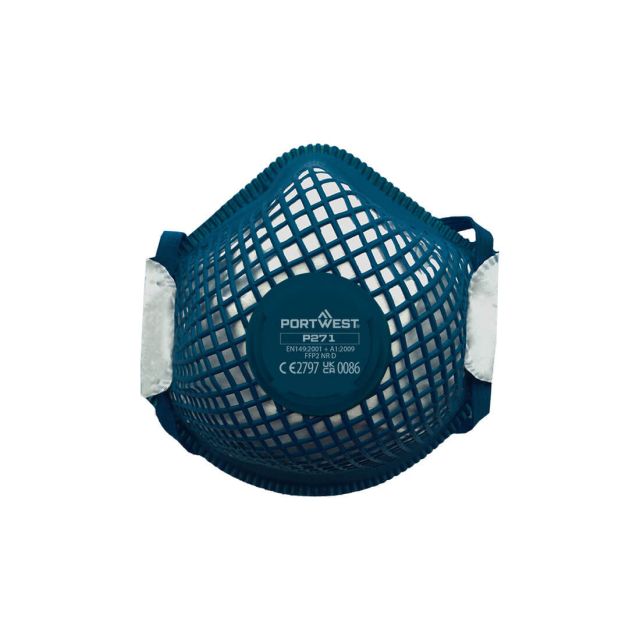
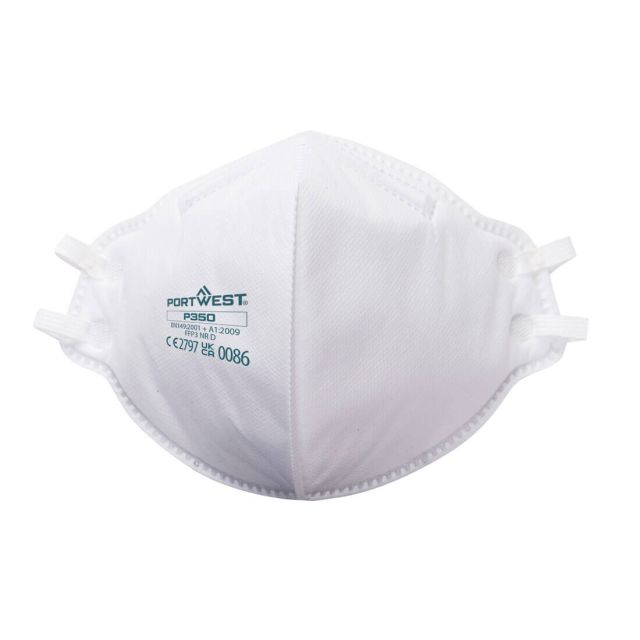
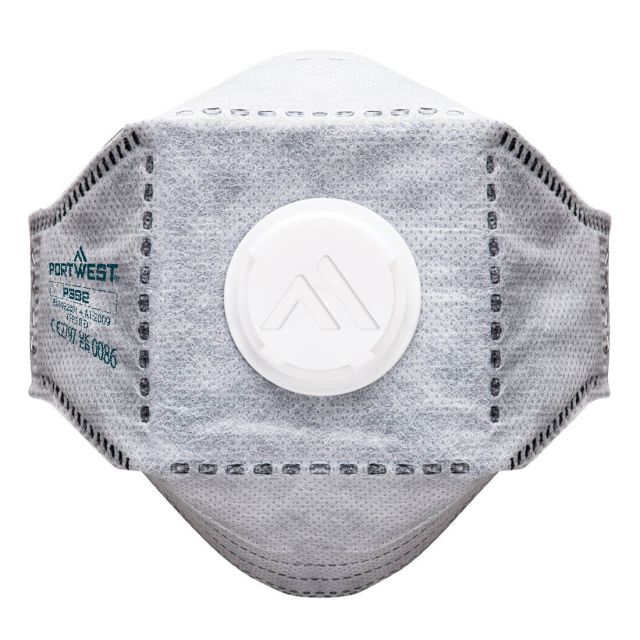
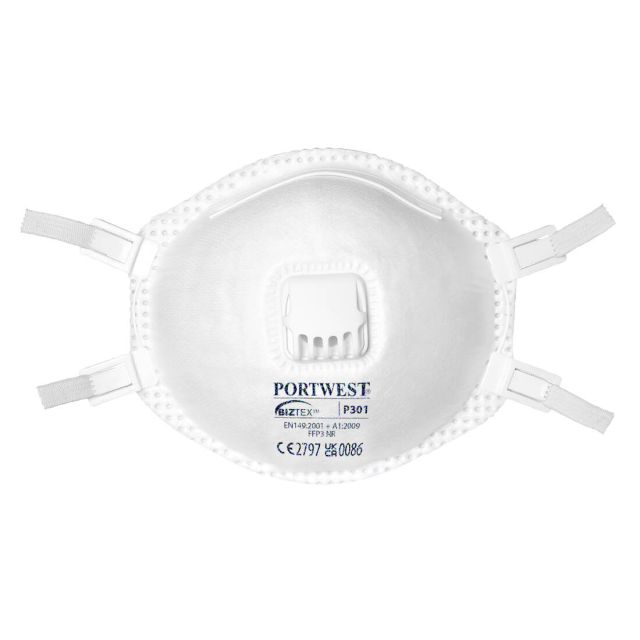
Lead Poisoning
Lead poisoning can be a huge risk for anyone who has spent time in an occupation that deals with Lead and leads to many occupational diseases.
Some of these jobs include shipbuilding, lead smelting, pottery glazing, stripping paint, or plumbing. Breathing in lead dust can cause serious health issues such as infertility, kidney disease, and brain damage.
If you absorb lead, it then circulates in the bloodstream before gathering in your bones.
Workers who have absorbed lead can go many years before any symptoms occur. The symptoms are nausea, weight loss, memory issues and/or stomach pain.
How to Prevent Lead Poisoning
Not only can we absorb lead through breathing, we can swallow it through drinking, eating, smoking, or biting your nails.
It is important to make sure you provide a designated eating area for anyone working with lead and ensure they wash their hands properly before eating.
You can control the exposure of lead to your workers by carrying out regular risk assessments and also equipment maintenance. Train your staff on how to prevent lead poisoning.
Doing this can reduce the risk of this occupational disease for your employees.
It is important to make sure that their work environment is spacious and well ventilated.
Carpal Tunnel Syndrome
Repetitive hand motions and awkward wrist positions can increase the pressure on the nerves and tendons in the carpal tunnel. Anyone can be at risk of Carpal Tunnel Syndrome if they carry out the same tasks each day with their hands.
Jobs such as cashiers, hairdressers, and factory workers are all at risk of developing this occupational disease if they do not take precautions to prevent this.
This condition can affect any person of any age.
The symptoms to spot are tingling fingers, a loss of manual dexterity, and shoulder pain. It can stop the sufferer from sleeping and doing their usual tasks at work.
How to Prevent Carpal Tunnel Syndrome
The easiest way for you to ensure your staff are not at risk of developing the condition is by testing their work environment and daily tasks. Are they putting their hands or wrists in awkward positions?
You can redesign their work stations, which will reduce the pressure placed on their hands and educate your staff about the dangers of repetitive movements.
Speak to them because it shows you care about their well being and helps to create a safe culture.
Computer Vision Syndrome
Working at a desk all day brings a different set of risks for staff. Although they are less likely to develop a skin or lung disease, long periods of time spent staring at a computer screen can lead to serious eye conditions.
If a person is complaining of eye strain, headaches, muscle aches, blurred vision, eye irritation or dry eyes, then they could be suffering from computer vision syndrome.
How to Prevent Computer Vision Syndrome
Our eyes work harder and therefore strain if there is poor lighting, incorrect seating posture, and improper viewing distance (PDF) from the digital screen.
If there is a glare on the monitor, it can also cause our eyes to struggle. It is important to ensure that each worker’s setup is correct.
Once you have corrected their workstation to ensure that their eyes are not having to strain, there is special eyewear available. This can reduce glare and make it easier for our eyes to cope with long hours in front of the screen.
Educate staff on the dangers of staring at a screen all day. Raise suggestions on how to reduce risks, such as not looking at a screen before bed in the dark.
By fixing their setup and encouraging staff to take regular breaks, you can reduce the risks of computer vision syndrome.
Skin Conditions
If you are working with detergents, acids, wet cement or oils, skin conditions are common.
Being exposed to strong irritants or prolonged contact with water can lead to several skin conditions and occupational diseases. Some of these are dermatitis, urticaria, and even skin cancer.
Staff who work in industries such as catering, hairdressing, and construction are at a higher risk of contracting a skin condition. Dermatitis can be common in this work.
The symptoms are a number of symptoms such as redness, blistering, weeping, and swelling.
Even washing your hands over 20 times in a day can cause issues, a particular concern for those working in the health industry. Speak to your staff and find out which chemicals and liquids they come into contact with daily.
How to Prevent Skin Conditions
HSE advises the APC approach for preventing skin disease at work.
- Avoid direct contact with substances, products, and wet work. If it is possible, find a different material that is safer and remove the harmful substance from the work place. If not, ensure gloves are made available for workers to use.
- Protect your skin from contamination and/or irritation by wearing PPE such as safety gloves and/or using a pre-work barrier cream to protect the skin specifically. Make sure you wash your hands before drinking and/or eating with a quality hand cleaner that removes industrial grimes.
- Check for conditions like itchy, dry, and/or red skin. You can spot the early signs of dermatitis and other issues before they become too serious.
Following these steps can reduce the contact that staff members have with harmful substances and protect them from developing harmful skin conditions.
Conclusion
It is important that you control your workers exposure to harmful substances. A great way to do this is by educating your staff on how to prevent these diseases and perhaps updating your H&S policy.
Also, you can provide safety equipment and conduct regular risk assessments. Look out for any signs or indications your staff may be suffering from one or more of these diseases.
Daily contact with hazardous materials at work can lead to serious health problems later on in life for your or your staff. Occupational diseases can be horrific and fatal, so it is always worth educating yourself on how you can prevent them. As an employer – it is your responsibility to make sure you control […]
If your company has five employees or more, you must have a written workplace health and safety policy. You should bring this to the attention of your employees via training.
Is it time to renew your Health and Safety Policy?
There is no set time for renewal of your health and safety policy. However, you should review and revise the policy when necessary, e.g. whenever you need to complete a risk assessment or whenever there is a change in the law.
By law, you only need to assess and write the risks that are associated with your employees. You can do this by having a workplace health and safety policy in place that covers those who are affected by your work activities, such as volunteers and the public.
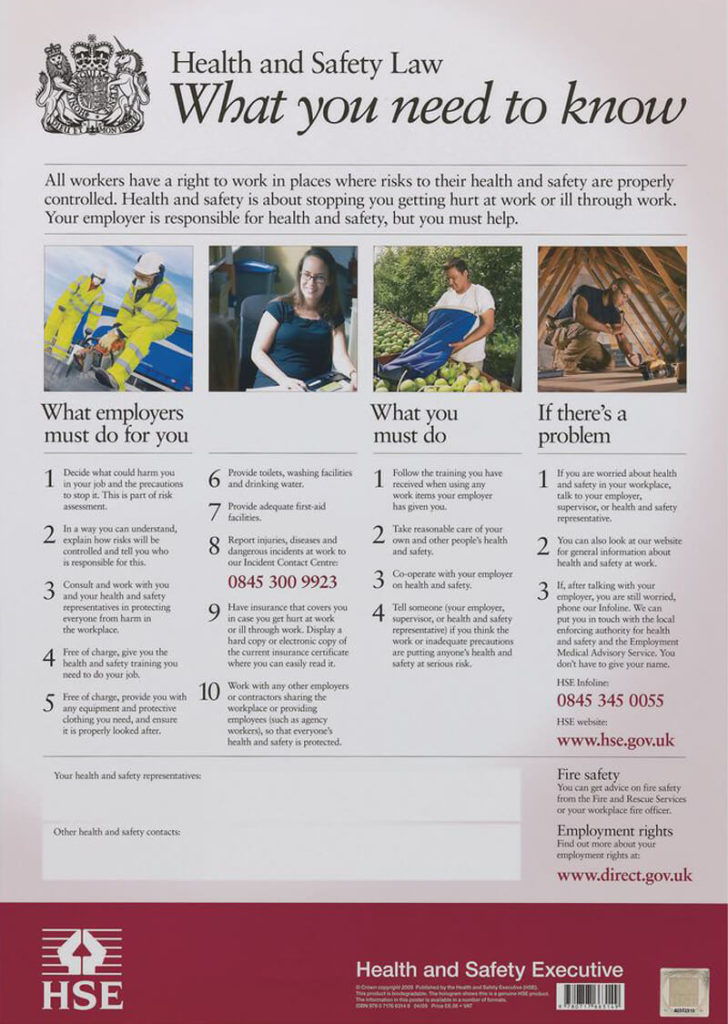
If any of the following are true, it is time to renew:
- You have moved to a new office/site. There are new hazards to consider so it will be time to update your policy. You will want to do a new hazard assessment, say who is responsible for actions, and note how you will achieve maximum safety in the new work environment.
- You have expanded your office space or added something new to it (eg. new machinery or desk area). Any time you add new hazards to the workplace, you will need to renew your policy. When spaces change, the people in those spaces have to move and act different, so it is important to keep safety in mind.
- It is 12 months since you last looked at your policy. You should check your policy regularly to identify new hazards and maximise safety. If you have not decided on a time frame, it is a good idea to renew your policy every 12 months minimum.
- You have hired more staff or a high volume of staff (perm or temp). New hires merits a new safety policy, and you will need to update your workforce on those policies.
- There has been an accident or near incident at work. It is critical to reassess your workplace safety. Accidents cost time and money whereas a policy renewal costs much less.
- Employee’s have raised concerns about an area at work or a specific aspect of their work. If your employees report an issue, it is vital that you listen. If employees speak up and feel unsafe, make sure you make them feel safe and confident in your company by taking action to make the workplace a safer place.
Always encourage employees to be responsible for Workplace Health and Safety.
What should you include in your Workplace Health and Safety Policy?
Policies are written with three inclusive sections:
- A statement of general policy
- A section on who is responsible for specific actions
- An arrangement section (detailing what you will do to achieve maximum workplace safety).
Your policy needs to identify all of the hazards in the workplace and the risks or the chance a hazard could cause harm. You should identify all risks, even if the risk is low.
Besides the basic arrangements to make conditions as safe as possible, your workplace can take additional safety measures such as:
- Staff training - Ensure all relevant staff are up to date on the relevant PPE regulations and codes
- Using warning signs to identify risks - Signage is the best way to ensure employees and visitors are away of local risks
- Improve your equipment by using guards - can a hand fit in there whilst the machine is running? It's best to fit a guard than rely on a human not putting their fingers in.
- Additional Personal Protective Equipment (such as goggles, safety boots, respirators, hi-vis) - PPE is the LAST line of defence in personal safety, but it's highly effective. Ensure your staff are kitted out appropriately and know to use their PPE correctly and keep it well maintained.
Choose a competent person or outside consultant to help conduct health and safety measures.
As a business owner, you need to choose someone who is competent and can help you to implement and write your safety policy. This person could be you, a colleague or an outside consultant. It is important that the person responsible for this has previous experience in identifying and assessing risks in the workplace.
You can find a local H&S Consultant for your sector near you using this handy tool by Occupational Safety and Health Consultants Register Ltd
For high-risk workplaces, have a workers-compensation policy in place too.
By law, if your company has employees you need to have employers’ liability insurance to cover you incase one of your employees is injured whilst working and they claim compensation.
If you are liable, this insurance will help you to pay for the compensation without risking your business.
What happens if I violate health and safety policy and one of my workers is harmed?
If they deem your company at fault for causing an employee harm in the magistrates’ court, then the maximum fines are £20,000 and/or one year’s imprisonment.
If the case is heard in the Crown Court, the fines are unlimited, and prison sentences are up to two years. They can impose fines upon individuals and the company itself.
This DOES happen - you should not consider prosecution as unlikely. "It will never happen to me" may well just happen to you as many cases have shown.
Make sure you are Health and Safety and PPE Compliant
Failure to implement a proper Health and Safety plan could cause dire consequences for your company. It is best that you cover all bases when implementing policies.
It is better to be extra safe and over-precautious than negligent.
Make sure you update all equipment regularly and conduct regular workplace risk assessments to determine if you need more PPE to keep your workers safe.
If your company has five employees or more, you must have a written workplace health and safety policy. You should bring this to the attention of your employees via training. Is it time to renew your Health and Safety Policy? There is no set time for renewal of your health and safety policy. However, you […]
Heat stress is a major threat to many workers, especially those who work outside in the summer months. But do not forget that heat stress at work is a threat all year round. Those who work in factories and bakeries are vulnerable to heat-related illnesses, no matter what the season.
To operate safely as a business, you and your employees must know about it. Here is everything you need to know about heat stress and how you can protect your workforce.
- Page Contents
- What is Heat Stress?
- Who is Affected by Heat Stress?
- Symptoms of Heat Stress
- How to Protect Your Workforce from Heat Stress
- How Workers Can Stay Safe
What is Heat Stress?
Heat stress is where the body is under stress from overheating. It can cause illnesses such as cramps, exhaustion, a rash, and/or stroke. These illnesses come with their own symptoms and treatment. The different symptoms can range from profuse sweating to dizziness and fainting.
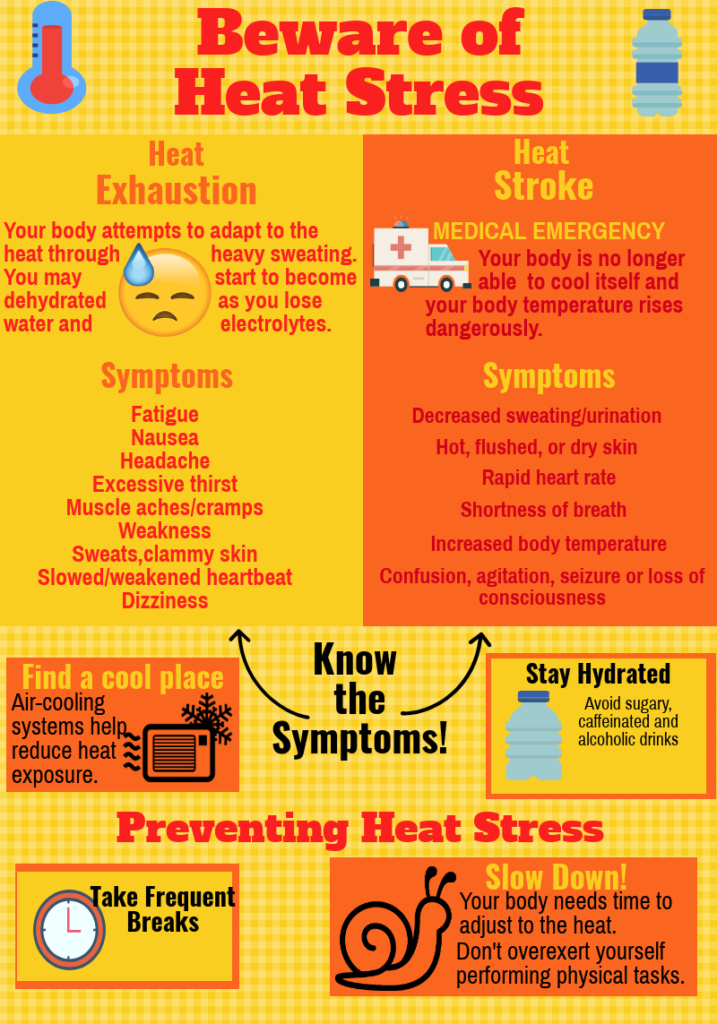
Who is Affected by Heat Stress?
Certain factors and behaviours can put people at greater risk of suffering from heat stress at work. These include:
Age - the older you are the easier you find that you will suffer.
Medical conditions - heart, lung or kidney issues, diabetes and others on medication are susceptible to heat stress.
Diet pills, sedative and caffeinated drinks.
Strenuous and/or prolonged physical activity - avoid this by kitting your team in appropriate protective work gear.
Symptoms of Heat Stress
Victims often overlook signs of heat stress. Be sure to watch out for the following symptoms:
- Confusion or unable to concentrate
- Dizziness
- Dehydration
- Cramps
- Profuse
- Sweating
- Vomiting
- Fainting or collapsing
How to Protect Your Workforce from Heat Stress
There are various ways in which you can protect your team from the dangers of heat stress at work. These include:
- Allow time for your employees to adjust to the temperature - this takes around two to three weeks.
- Revise your work schedule - assign physical tasks during the cooler part of the day (1pm-3pm)
- Reduce your workload - introduce more equipment
- A clear schedule for breaks which must be abided by
- Train your staff about heat stress - what it is, the dangers and how to recognise symptoms.
- Avoid placing high-risk employees in hot working environments for a long period
- Designate a worker to monitor conditions
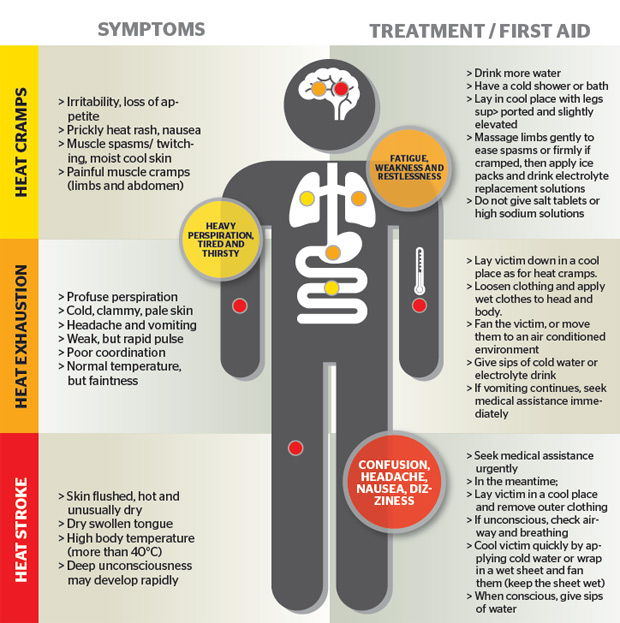
How Workers Can Stay Safe
Whilst it is important you put guidelines in place to look after your workers, it is important that they take the following actions to protect from heat stress at work:
- Training to recognise the symptoms of heat stress
- Equipment for ventilation and cooling
- Appropriate PPE - such as work shorts
- Wear light clothing
- Keep your body shaded - such as wear hats
- Drink plenty of fluids
- Regular shaded breaks
Conclusion
Heat stress needs to be taken seriously because it can affect all employees who work outside in warmer months. Because you are their employer, it is important that you understand what heat stress is and who it affects. Knowing this will help you advise your workers on how they can stay safe and hot to spot the symptoms.
As well as doing this, it is also your responsibility to protect your workers. There are several ways you can do this, such as changing their work schedule or reducing their workload.
Heat stress is a major threat to many workers, especially those who work outside in the summer months. But do not forget that heat stress at work is a threat all year round. Those who work in factories and bakeries are vulnerable to heat-related illnesses, no matter what the season. To operate safely as a […]
If carried out incorrectly, vehicle loading can put your workforce at great risk. Not only of injuring themselves, they could also jeopardise the safety of other road users. If carried out against procedure, loading can be financially costly to your business too. Here are the various do’s and don’ts you should bear in mind when it comes to loading and unloading.

The topics we will cover:
SAFETY EQUIPMENT USED HOW TO LIFT WITHOUT CAUSING INJURY WHERE YOU CAN LOAD AND UNLOAD WHERE YOU CAN'T LOAD AND UNLOAD Safety Equipment Used
Some loads will be significantly heavier than others. For example, in construction, heavy machinery will need to be transported to and from the site. These prove to be a lot heavier than various packages that your everyday courier will need to move. Ensure that your heavy construction loads adhere to your construction site safety policies.
Low bed trailers are used for the transportation of containers and oversized heavy cargo. These trailers are also used for loads with height and weight restrictions. Some of these trailers allow machines or equipment to be driven onto their platforms. When loading, ensure your staff are fully trained with the correct procedures as mistakes with heavy loads could be costly, both physically and financially to the business.
If using safety equipment to aid vehicle loading, make sure that before it’s used, it’s tested and is up to standard. If your machinery doesn’t pass the test and you still continue to use it, you are putting your staff at a great risk. Plus, it is likely that you will liable if something does unfortunately go wrong.
How to Lift Without Causing Injury
If you don’t follow the correct procedure when lifting, you can seriously harm yourself. As vehicle loading requires a lot of moving and lifting items, here is the correct procedure to steer you clear of injury:
Adopt a stable and strong position by bending your knees and keeping your back straight. Get a good grip of the item and make smooth movements. Jerks and twists are likely to be the movements that aggravate injuries. Once you’ve secured the load, look ahead and keep your head up. If using a trolley to move heavier items, the best position for handle height is between your shoulder and your waist. With any load you should always make sure that you spread it evenly. This will allow you to keep a good centre of gravity. Try and load heavier items in the middle and put the lighter ones to the sides.
And it's also worth noting, at this point, that there are usually rules and regulations on where you can unload and where you can't.
Where You Can Load and Unload
In accordance with local authorities’ time limits, you are allowed to load/unload on both single and double yellow lines (unless any loading restrictions do apply). Couriers should be careful when delivering items on a main road. Make sure you remember the time limits if you want to avoid getting a ticket.
Loading bays often give you a 20-minute time limit for vehicle loading. Civil enforcement officers (CEO) often don’t allow much slack on this time limit. This includes stopping for a chat or sitting in your vehicle on your phone after loading. The time limit allows for loading and relevant paperwork only, so in order to avoid a ticket, you’ll need to be efficient.
Other places that permit vehicle loading are parking bays, resident bays or even the gaps in between them. You are permitted to load/unload your vehicle for a maximum of 20 minutes without any payment permitted. Bear in mind, these laws differ between the different local authorities, so ensure you’re not breaching any of these rules before loading safely.
Where You Can’t Load and Unload
Bus lanes and stops have restrictions on vehicle loading. You may enter a bus lane to load/unload where it is not prohibited by a clearway (a lane restricted to just buses and taxis), red route (no stopping allowed) or a loading ban. Make sure that you do not enter these lanes during the signed times too, as this can lead to a fine.
Other restricted places for vehicle loading are:
Pedestrian crossings. School keep clear zig-zags. On roads with double white lines in the centre. Cycle lanes. Where the vehicle would cause an obstruction. For example, 10 metres from a junction.
Not only will attempting to load/unload your vehicle in these areas result in the business being fined, but it will put the driver at risk. Ensure that drivers know the laws and regulations on where they can and can’t load.
So...to Summarise Always check road signs for information. If there are no road signs, check the road linings. These will indicate whether you can or can’t load there. Ensure the vehicle or trailer has its brakes applied and all stabilisers are used. The vehicle should be as stable as possible. Never stop to load in a place where you will cause an obstruction. This will not only put you at risk but other road users too. The driver is responsible to prove that the vehicle was being loaded legitimately. Unless you have exclusive permission from the relevant authorities, be sure to never load or unload in a suspended bay. If you do unfortunately receive a parking ticket, always accept it. You can appeal it at a later time. If you drive off and ignore it, or act aggressively towards the CEO, the fine will only be sent in the post and will likely be a larger sum.
Be Safe When Loading This Summer
By following the advice in this blog, you will take a step in the right direction to keeping your workforce safe at all times when vehicle loading. But truthfully, there’s so much more you need to know. For example, in order to achieve maximum safety, your staff must also be dressed appropriately to carry out their daily tasks.
To help you out, we've created a Summer eBook which includes tips and advice on how to clothe and equip your team for warmer temperatures and the risks of the outdoors. Download your FREE guide below.
If carried out incorrectly, vehicle loading can put your workforce at great risk. Not only of injuring themselves, they could also jeopardise the safety of other road users. If carried out against procedure, loading can be financially costly to your business too. Here are the various do’s and don’ts you should bear in mind when […]
Nobody likes getting ill and it is even worse when the fevers, coughs and sneezes force you and your employees to take days off work. It only takes one person to fall ill to bring down a large group of employees with a nasty bug.
What can you do to prevent this domino effect of illness that can potentially hurt your productivity? Cold and flu prevention is a team effort. Here are some tips for the workplace to help you and your employees reduce the spread of germs.
How Much Impact can a Cold or Flu Have in a Workplace?
Although illnesses such as coughs, colds and the flu are relatively minor, they are actually the most common reason for sickness absence. In 2016, it was estimated that these minor illnesses accounted for 34 million working days lost. When you think about the fact that the median annual absence cost per employee is estimated to be £522, sickness absences can cost your company a lot of money and take a hit on your productivity.
Despite being a minor illness that tends to clear up by itself in a week or so, it can have a cumulative, negative impact.
What Measures Can You Take?
Whether it is an office or a worksite, your employees are susceptible to colds and the flu because they work in such close quarters with each other. After all, it only takes one infected person to spread the germs to everyone else. However, there are many actions you can take to prevent the spread of germs in your workplace.
Wash it, Bin it, Kill it
Remember that NHS slogan that is rolled out every time it is cold and flu season? There is a reason why it's so regularly broadcast. Cold and flu viruses are airborne - spread through droplets that are released into the air when an infected person coughs, sneezes or even breathes. Hand-to-mouth is the most common transmission, so eating, nail biting or touching the mouth area can all lead to infection.
For this reason, ensure that your employees regularly wash their hands. Encourage this by placing signs around the workplace that teach them how to wash their hands properly. If frequent hand-washing is not a realistic option, encourage the use of hand sanitiser - whether it means installing hand sanitiser pumps in the workplace or distributing pocket-sized bottles of antibacterial gel.
Viruses tend to survive on hard surfaces for 24 hours, so encourage your employees to regularly wipe down surfaces using antibacterial wipes. Cleaning and disinfecting shared surfaces, such as phones, tables, keyboards and doorknobs, is a good way to prevent the spread of infection.
Use Fresh Tissues and Cover Your Mouth and Nose
Coughing and sneezing are inevitable, so if you have to do it, always cover your mouth and nose. It sounds like such a little thing to do, but it is very effective. As the virus is airborne, covering your nose and mouth reduces the chance of it being expelled into the air. The NHS recommends that you cover your mouth and nose with a tissue and then throw that tissue away immediately, in order to prevent the virus from transferring to the surface you put it down on.
If there is no tissue available, use your hands and ensure you and your employees wash them straight away - whether it is with antibacterial gel or at a sink with soap.
Encourage Vaccination
The flu jab is one of the most effective ways to prevent the flu from spreading. It actually reduces your chances of getting flu by 60%, depending on age. Although there are different and various strains of flu every year, the vaccination protects against the types that scientists determine to be the highest risk.
If you want your team to be flu-free, arrange for your employees to get the flu jab. There are various companies, such as Boots and Bupa, offering corporate flu vaccination services - at no cost to your employees.
Your Employees Health Comes Before Everything Else
In this work-centric day and age, it is easy to inadvertently encourage your employees to power through illnesses in order to stay productive. Chances are, your employees would rather work instead of taking a sick day. The problem with this is, as soon as a sick member of staff enters the workplace, they are putting the other healthy workers at risk of illness. What could have been a few days off for that employee could spiral into multiple days off for dozens of other employees.
It is important that you remind your employees that they should never be hesitant to take a sick day because they think management might be against it. Of course, doing this relies on being able to trust your colleagues to know when they are maybe a little run down and when they are *really ill*. Communication goes hand in hand with a healthy, productive team, so ensure you make it clear that employees' health comes before anything else.
As well as this, you should be on alert for symptoms of colds and flu during peak season (which is November to April). Sometimes a cold or flu can be contracted in the middle of the working day, and more often than not, the employee will be well enough to 'power through' the rest of their shift. In these cases, ensure that person has everything they need to actively prevent spreading the infection - for example, antibacterial gel, wipes and tissues.
Keep Your Staff Protected this Season
There are many other factors you need to think about in order to keep your employees protected and working productively this season. A healthy workplace is a productive one, but it does not stop at preventing the spread of illness.
Nobody likes getting ill and it is even worse when the fevers, coughs and sneezes force you and your employees to take days off work. It only takes one person to fall ill to bring down a large group of employees with a nasty bug. What can you do to prevent this domino effect of illness […]
The answer is simple. You need personal protective equipment that will help keep your workers safe from harm in the workplace. Even after putting all the relevant safety measures in place, it is vital you ensure all of your staff wear the correct PPE on site all of the time there is risk.
Not only is it the law, but extra protection means extra safety and the reduced risk of injury, illness or death. Here is a list of the PPE areas you need to consider to help keep your workers safe.
- Page Contents
- Eye Protection
- Head Protection
- Hand Protection
- Ear Protection
- Respiratory Protection
- Foot and Ankle Protection
- Conclusion
Eye Protection
Eye protection describes any type of PPE equipment that protects your worker’s eyes from harm caused by foreign objects or light. It comes in the form of glasses/spectacles and goggles which are often inexpensive when purchased in bulk.
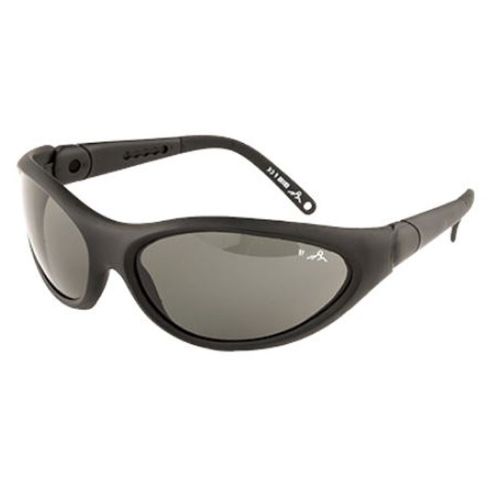
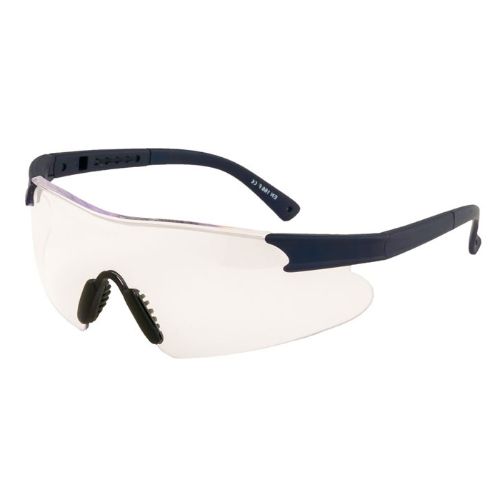
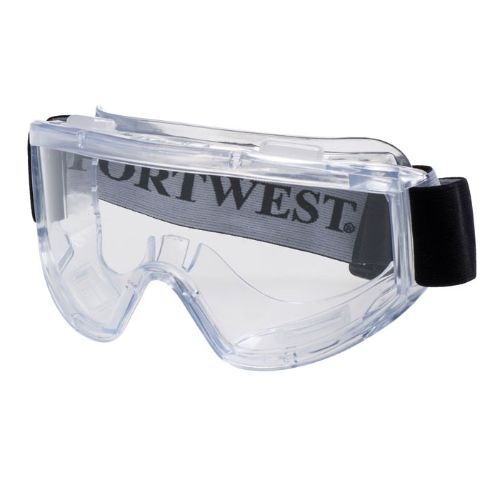
If your workers need eye protection, then it is a good idea to take the extra precaution and stock up.
We can store eye protection without reaching a use by date, and - as long as we do not scratch the product - they can last up to three years. This makes them a worthwhile and inexpensive investment. Plus, if they protect your workers from long-term eye damage and debris, then they are always a good choice.
You can learn more about storing and looking after your eye protection in our article here.
Head Protection
We often need head protection, such as hard hats and bump caps on sites where there are dangers of falling objects. However, make sure you are using appropriate safety headwear for your needs.
Bump caps do provide head protection, but they do not protect against heavy debris or moving objects. Carry out a safety assessment to determine what you need in your workplace - the answer is usually a hard hat.
Do not forget that colour codes for hard hats have been updated so make sure you are choosing the right colours too.
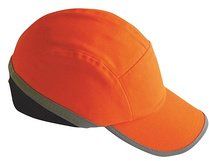

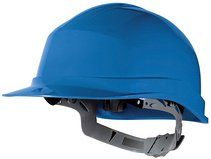
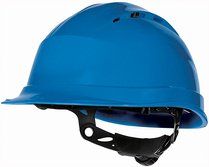
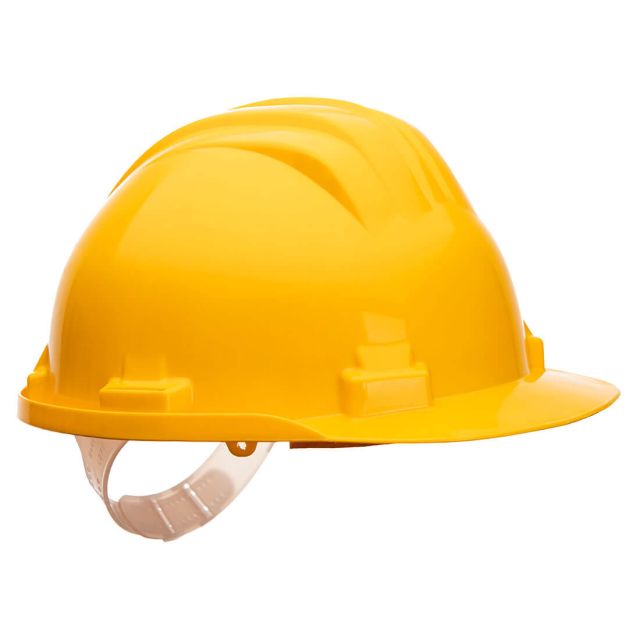
It is surprising just how inexpensive hard hats are. You would think with the level of protection they provide, they would be pricey, but that is not the case at all.
Hard hats are usually long lasting (unless damaged) and can last up to five years if we replace the suspension every 12 months. If the hard hat sustains damage, however, it needs to be replaced.
You can learn more about the difference between Hard Hats & Bump Caps here.
Hand Protection
Safety gloves protect the hands from many hazards at work. The safety gloves your workers need will depend on the hazards your workplace has.
Some gloves not only protect from harmful substances but also from the cold, which is often the most dangerous element for hand safety. If your workers handle sharp objects, such as unfinished metals, or work with knives and blades, then they will need an appropriately rated cut glove for protection. You can learn all about cut glove levels right here.
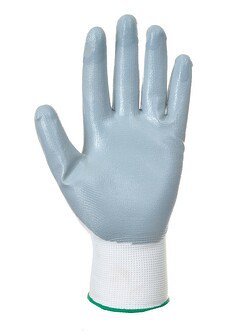
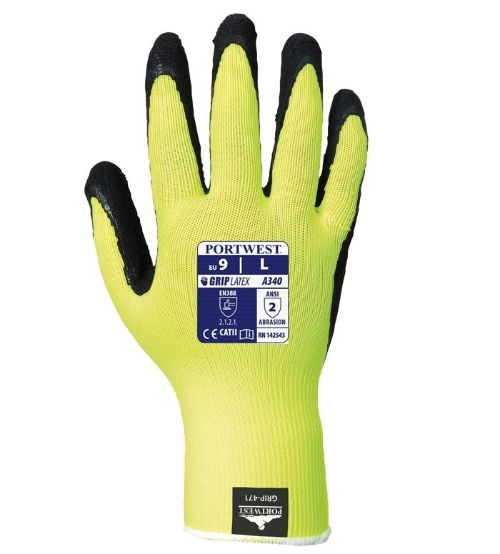
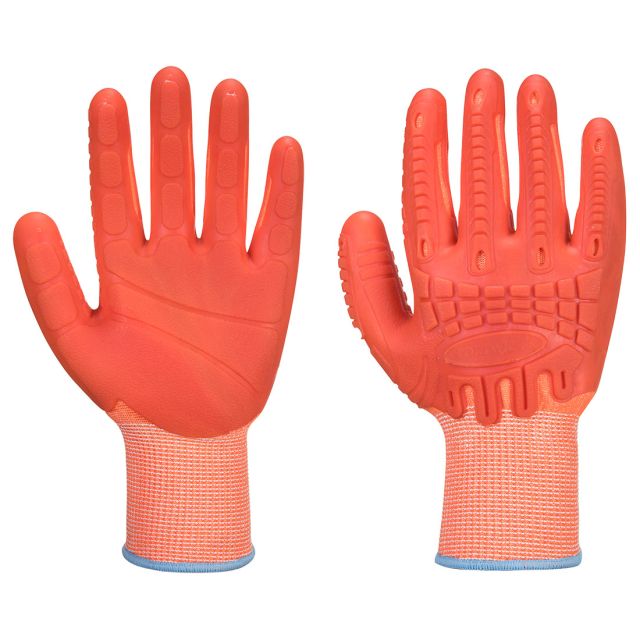
Work safety gloves are available in many different materials such as Nitrile and Latex. Also, some gloves are designed for grip. On the other hand (pun intended), others are designed for warmth, chemical, anti-vibration or cut resistance.
The hand protection you and your workers will need depends on the workplace hazards you have identified.
Ear Protection
Ear protection needs to be taken seriously and is one of the most important PPE considerations. It is important that you always provide your workers with the appropriate ear protection in the workplace. The sound may not be dangerous. However, it is still important to have the correct PPE equipment such as ear plugs as an option for your workers.
You can learn more about hearing protection in our article here.
Sound must be reduced to around 80 decibels in the workplace. Most ear protection removes at least 32 dB from the surrounding area and will take noise to safe levels.
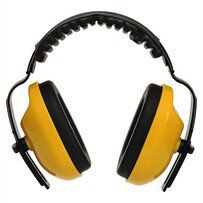
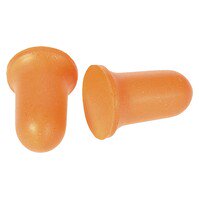
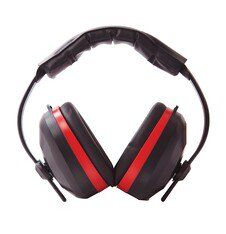
Disposable ear plugs need to be replaced daily, but other ear protection can last months with proper care. Ear muffs and defenders - even on the high end - are inexpensive. Often, ear muffs and defenders are worn with disposable earplugs for even more hearing protection.
Decibels in the workplace:
- 70-90 dB for heavy machinery, electric motors, garbage disposal, city traffic, construction, factory, and highway work sites.
- 100-120 dB for a jackhammer, power saw, motorcycle, lawn mower, rock music, carpentry, and construction.
- 140+ dB for jet engines, gunshots (pain level), airport industry, and in police work.
The Noise Reduction Rating (or NRR) for earplugs is between 22 and 33 dB (decibels) whilst the NRR for ear muffs is between 20 and 30 dB. For the best ear protection, a combination of the two will protect your ears the most.
Respiratory Protection
This is a very in depth subject that is crucial for employee health, but during work and in their later lives.
You can learn more about the safety ratings for dust masks and respiration filters in our guide to respiratory protection and ensure all workers are suitably protected
Foot & Ankle Protection
This is another subject that requires some extra thought. It's simple to assume a toecap is all you need, but what about all the other hazards? Because of this, we've created an in depth guide to safety footwear here.
Conclusion
Make sure you encourage everyone at work to use PPE safely and effectively. Encourage all employees to report any problems with equipment or faulty safety measures so you can remedy them.
Workplace deaths are on the decline, and it is important to keep it that way. Everyone is responsible for making your workplace safe and making sure that everyone wears the right protection for your needs.
The answer is simple. You need personal protective equipment that will help keep your workers safe from harm in the workplace. Even after putting all the relevant safety measures in place, it is vital you ensure all of your staff wear the correct PPE on site all of the time there is risk. Not only […]
The Health and Safety Executive notes that there were 74,000 reported cases of work-related hearing loss in 2004 to 2005. In 1997 to 1998, those figures were closer to half a million. Both education and regulations have likely decreased these numbers of preventable hearing loss, but it’s important that hearing is protected where possible. What is noise-induced hearing loss and how can NIHL be prevented? Here’s our guide for site managers.
What is NIHL?
Noise-induced hearing loss or NIHL is a permanent hearing impairment from exposure to high levels of noise. It may cause a person to hear only a narrow range of frequencies, impaired perception of sound, or another impairment like sound-sensitivity, ringing in the ears, or the inability to understand normal speech.
The most common cause of hearing loss is excessive noise exposure. Because noise exposure can happen at work, there are regulations in place. The daily average exposure should be no more than 87 dB with hearing protection in place. The regulations mandate that hearing should be protected from excessive noise at work that may cause hearing loss or tinnitus.
How Does Hearing Work and How Can It Be Damaged?
Hearing works when sound waves enter the ear canal and vibrate the eardrum. The vibrations are sent to the tiny bones in the middle ear: the malleus, incus, and stapes. The bones couple the air vibrations to the fluid vibrations in the snail-shaped fluid-filled cochlea of the inner ear. The fluid in the cochlea ripple and a wave forms along the basilar membrane (the partition between the upper and lower parts in the cochlea). Sensory hair cells, which sit on top of the basilar membrane ride on the wave, and as they move up and down the microscopic an overlying structure, bending which causes the pores of the stereocilia to open. Hair cells at one end perceive low frequencies and the other end perceives high frequencies. This action sends chemicals rushing in the cells, which causes an electrical signal. The electrical signal is sent to the brain and is translated into recognisable sound.
When noises are too loud, the sound kills the hair cells in the inner ear. After prolonged exposure, more hair cells are destroyed, and, as hair cells diminish, hearing decreases. Dead hair cells cannot be restored at present.
Noise level and the length of exposure can put someone at risk for NIHR. Sounds over 85 dB can cause permanent hearing loss. Loud bursts of sound such as from gunshots or explosions can rupture the eardrum or damage the three small bones in the middle ear, resulting in immediate and permanent loss of hearing, or tinnitus, which is a ringing, buzzing, or roaring in the ears or head.
Common Sounds and Their Intensity
Here’s a (modified) chart from the American Hearing Research Foundation about common sounds, and exposure levels:
Approximate Decibel Level Examples
0 dB
the quietest sound you can hear.
30 dB
whisper, quiet library.
45 dB
humming refrigerator
60 dB
normal conversation, sewing machine, typewriter.
85 dB
noise from heavy city traffic, electric motors, heavy machinery, construction, factory, highway work sites
90 dB
lawnmower, shop tools, truck traffic; 8 hours per day is the maximum exposure (protects 90% of people).
95 dB
motorcycles
100 dB
movie, chainsaw, pneumatic drill, snowmobile, mp3 player at max volume; 2 hours per day is the maximum exposure without protection.
115 dB
sandblasting, loud rock concert, jackhammer, power saw, carpentry, construction, auto horn, sirens, motorboats, health club, video arcade,; 15 minutes per day is the maximum exposure without protection.
140 dB
gun muzzle blast, jet engine, airport industry, police work; noise causes pain and even brief exposure injures unprotected ears; maximum allowed noise with hearing protector.
150 dB
firecrackers and firearms
Can NIHL Be Reversed?
There’s no cure or ability to reverse NIHL. Once the inner ear’s hair cells have been damaged, then they cannot be restored. NIHL can be treated with hearing aids, but hearing aids only amplify sounds (like a microphone) and cannot restore normal hearing - there need to be some hair cells left intact for them even to work.
There is a chance that noise can cause reversible hearing loss, which is called a temporary threshold shift. Sometimes that occurs when people are exposed to gunfire or firecrackers; the person temporarily loses hearing, hears a ringing in the ears and tinnitus.
However, any exposure can cause permanent, irreversible hearing loss or damage.
Can NIHL Be Prevented?
Yes, hearing loss can be prevented. Here are four steps to prevent NIHL.
Risk Assessment
Conduct a risk assessment on site to understand the surrounding environment in the workplace. On site, you may have the buzz of nearby traffic, and you may have equipment that will run most of the day. Will there be any machinery that will make sounds that are at an uncomfortable level? How long will these sounds go on for? Is there risk of hearing loss from these sounds? Figure out the risk of exposure to these loud sounds, and plan accordingly.
Reduce Length of Exposure
Since people can stand loud noises for short periods of time, but not for extended periods of time, then reducing the exposure time to that sound is key. When conducting your on-site risk assessment, consider how long your workers will be exposed to each sound, and the number of dB the worker will be exposed to. Anything reaching unsafe levels requires appropriate hearing protection. However, when in doubt, use hearing protection and make sure that workers are not exposed to sounds for longer than recommended. Some sounds can cause damage after fifteen minutes, and others cause damage after a few hours. Assess which sounds can cause what type of damage, and after how long to understand what measures need to be put in place.
Wear Hearing Protection
When your workers will be exposed to loud noises above 85 dB, then they will need to be issued hearing protection. When operating machinery, power tools, outdoor equipment, and so on, provide hearing protection in the form of earplugs or earmuffs to decrease the intensity of the sound.
Earplugs fit in the outer ear canal and block the ear with an airtight seal. Improperly fitted, dirty, or worn earplugs will not work properly. Foam earplugs are inexpensive. They can be banded if the employee has trouble keeping them in his or her ears or simply standard earplugs.
Earmuffs and ear defenders fit over the outer ear, and form an air seal to block the ear canal. They are held in place with an adjustable band. Earmuffs won’t seal around glasses or long hair. The headband tension must hold the earmuffs securely around the ear.
The correct hearing protection can reduce the noise by 15-30 dB. Better quality earplugs and earmuffs have an equal sound reduction. Earplugs are often better for low-frequency noise, and earmuffs work best for high-frequency noise. If combined, the double protection adds 10-15 dB of further protection than when used alone. If noise exceeds 105 dB, then hearing protection should be combined.
For very loud noises - like those over 105 dB - no type of hearing protection will stop very loud noises causing some level of damage.
Allow Some Noise
Check that normal conversation can be heard when using hearing protection. If the hearing protection reduces all noises then there may be other dangers outside of hearing problems since your workers may not be able to hear shouts of danger. All noise should not be entirely eliminated.
For added protection, all workers should avoid noise that is too loud, too close, or goes on for too long. The distance from the sound and length of exposure are factors in protecting hearing. Hearing is a precious thing to lose, and, since it’s so easy to damage hearing irreversibly, it should be protected.
Prevent NIHL with the appropriate PPE for your business. Use our checklist to make sure you get it 100% right.
The Health and Safety Executive notes that there were 74,000 reported cases of work-related hearing loss in 2004 to 2005. In 1997 to 1998, those figures were closer to half a million. Both education and regulations have likely decreased these numbers of preventable hearing loss, but it’s important that hearing is protected where possible. What […]
Ignoring PPE maintenance a terrible idea for your business. When safety goes out the window, accidents happen. If accidents happen at work, that means you lose time and money - in the form of worker absence, compensation payouts, and potential fines.
It’s estimated that over 600,000 workers are non-fatally injured at work, often resulting in long absences - but the real figure could be much higher as these accidents often go underreported. Almost 150 workplace fatalities occur each year, but numbers are declining because there are safety measures in place.
Here are some tips on how to perform PPE Maintenance, and how often your company should replace this equipment.
- Page Contents
- Head Protection
- Hearing Protection
- Eye Protection
- Foot Protection
- Hand and Arm Protection
- Respiratory Protection
- Hi Vis Clothing
- Conclusion
Head Protection
Clean
- Clean daily or weekly as needed.
- Clean once a month by soaking in mild soap and hot water for 5-10 minutes and rinse with clean water, wipe, and air dry.
Maintain
- Inspect suspensions before each use.
- Inspect for cracking and gouging (replace immediately if these are found).
- Ultraviolet (UV) exposure, extreme temperatures, chemical exposure, and daily wear can affect the hat’s lifespan.
- Prolonged sunlight exposure can cause flaking and cracking of the shell.
- Chemicals can impact protective measures.
Replace
- Replace hard hats every 5 years (as per manufacturer recommendation).
- Replace internal suspension every 12 months.
- Replace every 2 years if exposed to high temperatures, extreme sunlight, or adverse conditions.
- Replace when cracked or gouged.
- Replace if head protection has sustained impact.
- Replace if head protection is no longer effective.
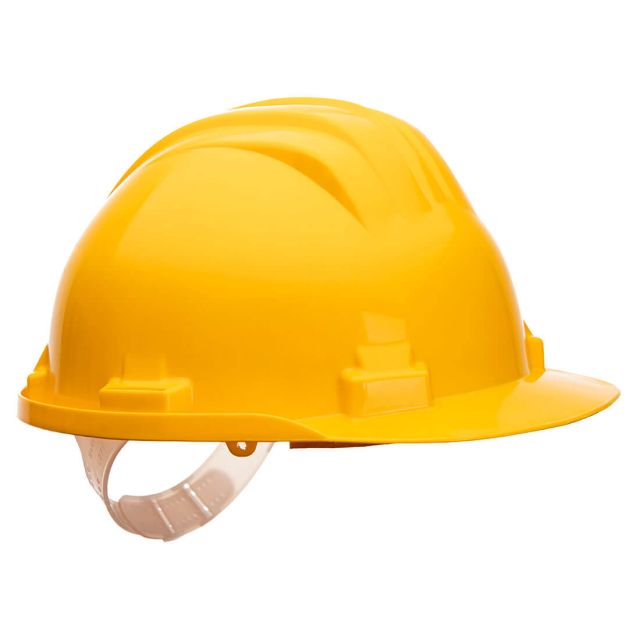
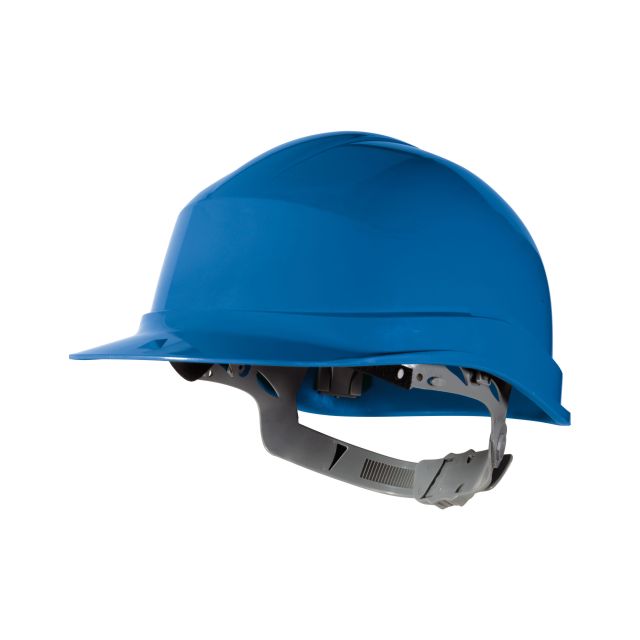
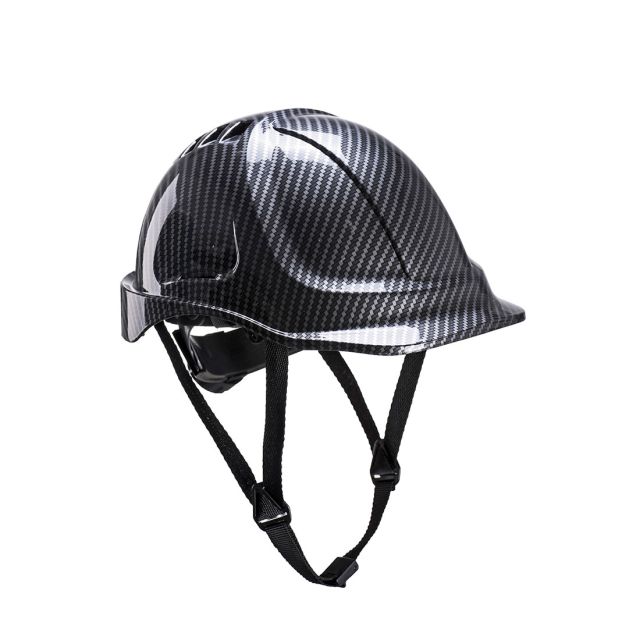
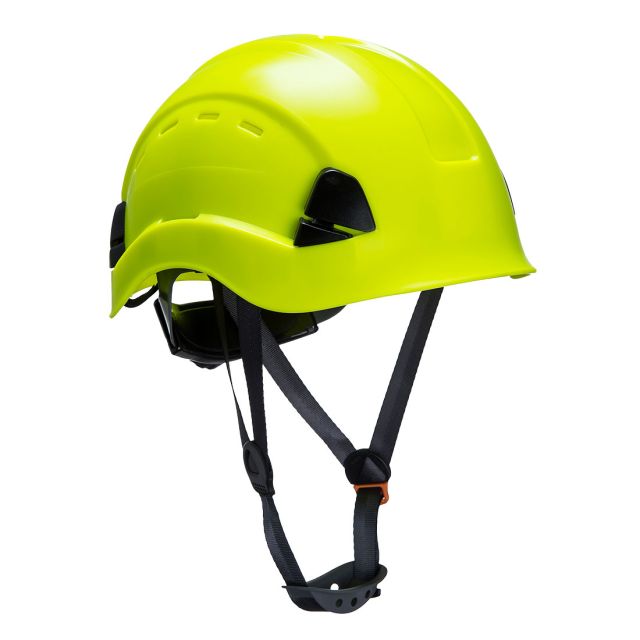
Hearing Protection
Clean
- To clean hearing protection disassemble ear muffs (not needed for earplugs).
- Wash with mild liquid detergent and rinse in warm water.
- Ensure sound attenuating material inside ear cushions does not get wet.
- Remove skin, oil, and dirt that can harden ear cushions with a soft brush.
- Squeeze excess moisture from ear cushions and place on clean surface to air dry.
- Dispose of disposable earplugs as most cannot be cleaned.
Maintain
- Check hearing protection works effectively, is in good, clean condition, has undamaged seals, headband tension not reduced, has no unofficial modifications, and doesn’t have excess wear and tear.
Replace
- Replace hearing protection when product shows wear and tear.
- Earplugs are no longer pliable.
- Headbands are stretched.
- Ear cushions degraded.
- 6-8 months have passed for normal wear or 3-4 months have passed with heavy use or humid/extreme climates.
- Dispose of disposable ear plugs daily.
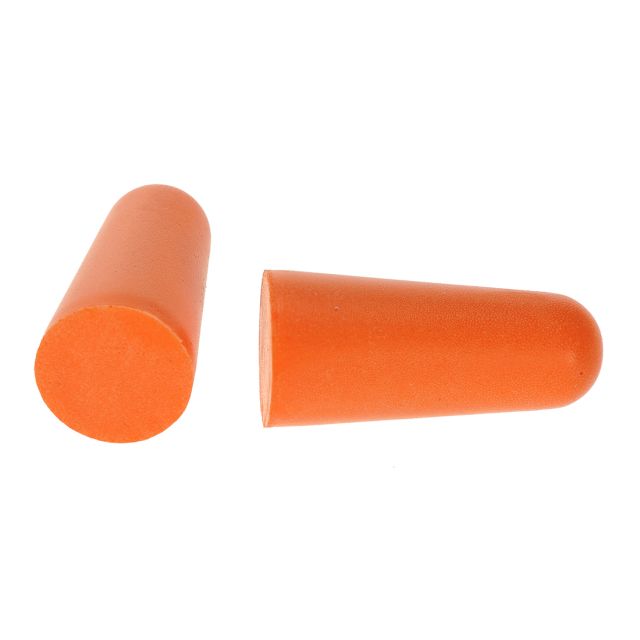
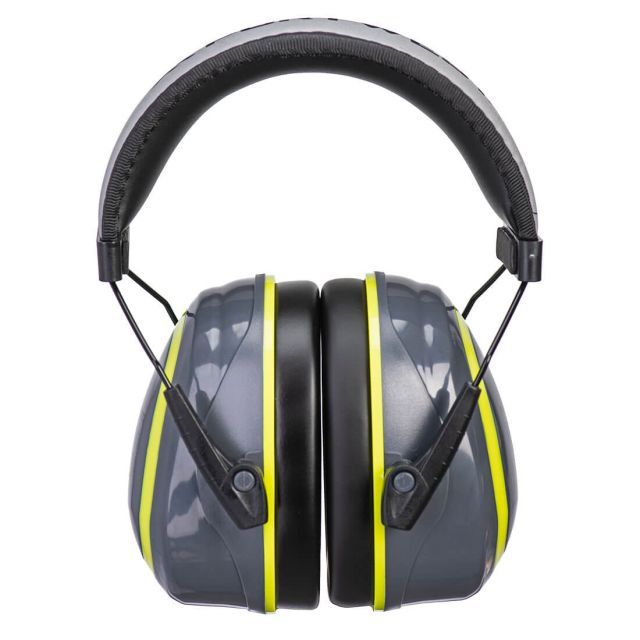

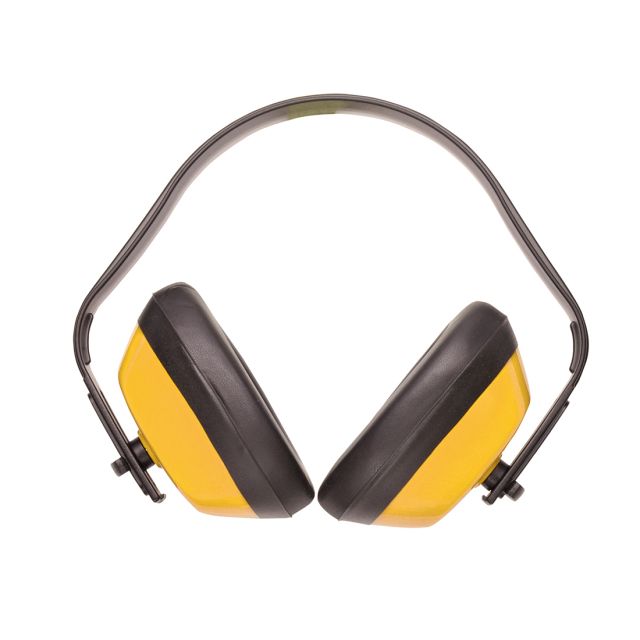
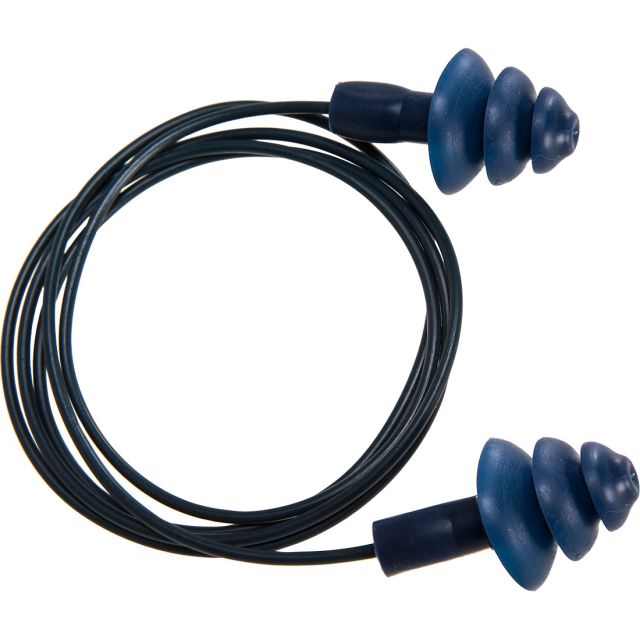
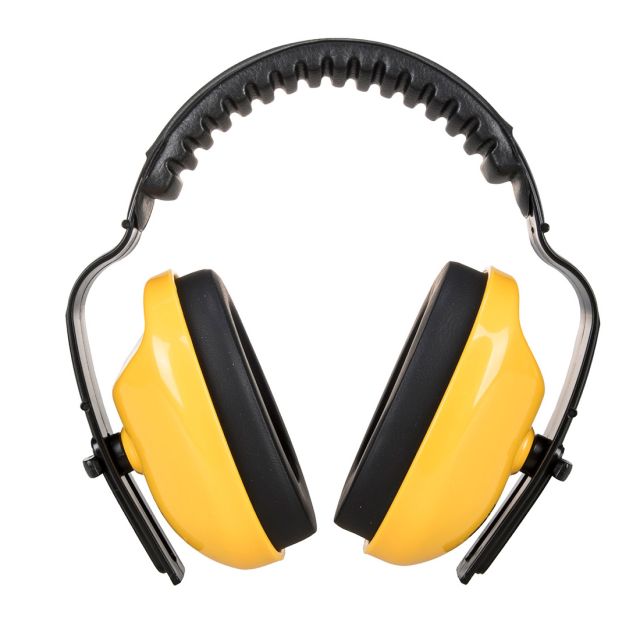
Eye Protection
Clean
- Clean daily following manufacturer’s instructions.
- Blow loose dirt and debris from the lenses.
- Rinse under running water (with or without detergent) or use lens cleaning wipes or spray.
- Store in a safe place ( in cases or in any other clean, dry place).
- Avoid rough handling as scratches impair vision and weaken lenses.
Maintain
- Check eye protection for scratches, pits, broken parts, or ill fit.
Replace
- Glasses should be replaced at least every 3 years If Not Used. Every 3 month if used daily.
- Replace damaged, scratched, pitted, broken, bent, or ill-fitting glasses as these do not provide protection.
- Replace damaged parts with original manufacturer parts only to ensure the same safety rating.
Foot Protection
Clean
- Keep clean based on the manufacturing instructions.
- Protect from water damage.
- Wash and dry daily.
- Polish leather footwear and remove debris with a brush.
- Clean soles by brushing and washing air dry - never force dry.
Maintain
- Check footwear for cleanliness, water damage, and debris damage.
Replace
- Replace safety footwear when it’s 6-12 months old, it’s defective, or worn


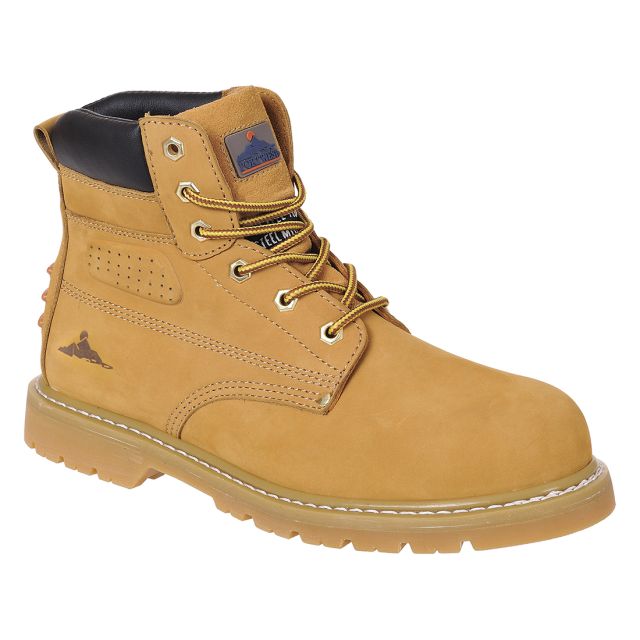
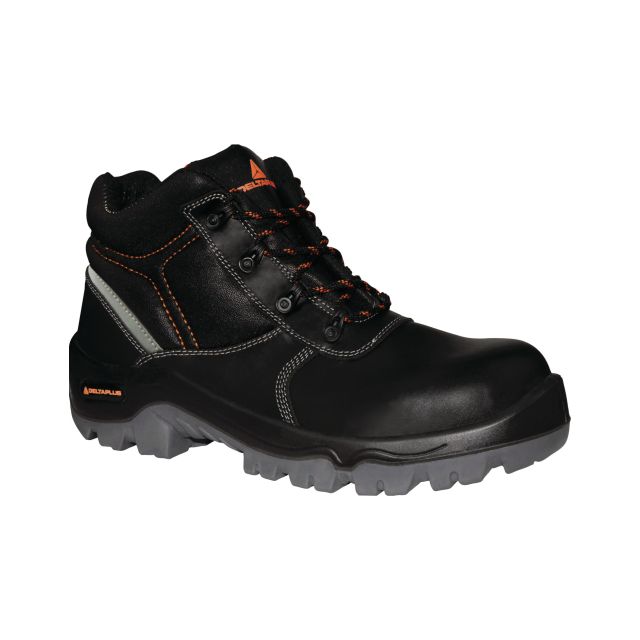

Hand and Arm Protection
Clean
- Wash/dry (or dispose) of gloves properly.
- Don’t touch contaminated gloves with bare hands.
- Wash hands when taking gloves off.
- Same applies for protective sleeves.
Maintain
- Examine before wear in case of manufacturing defects.
- Extend glove life by washing and rotating gloves.
- Always inspect gloves before use to ensure they are safe.
Replace
- Replace gloves when worn out, torn, heavily soiled, or every day to every three weeks, depending on type of gloves.
- Replace after each use (for disposable gloves) or moving from task to task (either dispose or clean).
Respiratory Protection
Clean
- Clean and sanitise after each use.
Maintain
- Inspect before each use.
- Record inspection dates, finding, and repairs.
- Emergency use respirators need to be checked monthly for tightness of connection, head straps, valves, tubes, cartridges, canisters, filters, rubber, elastic, and moveable parts for signs of deterioration.
Replace
- Replace respiratory equipment as per manufacturers specified replacement rate / replacement filter rate (daily, weekly, after so much exposure).
- Single use respirators must be disposed of after use or when soiled, damaged, or if it becomes difficult to breathe


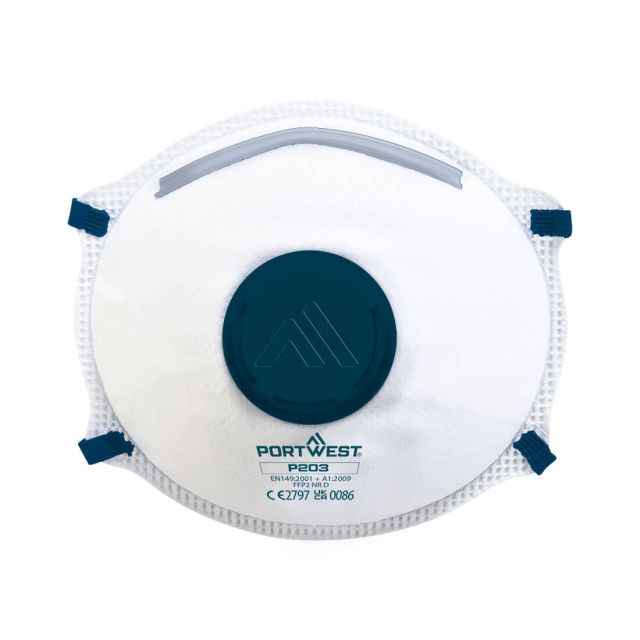
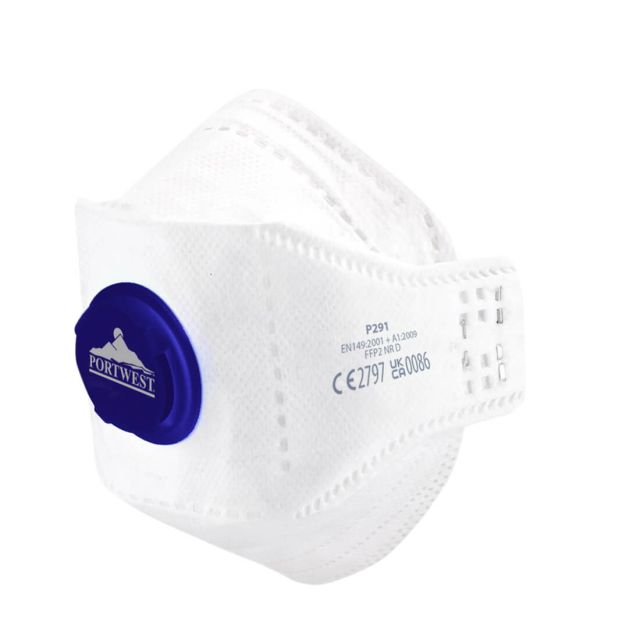
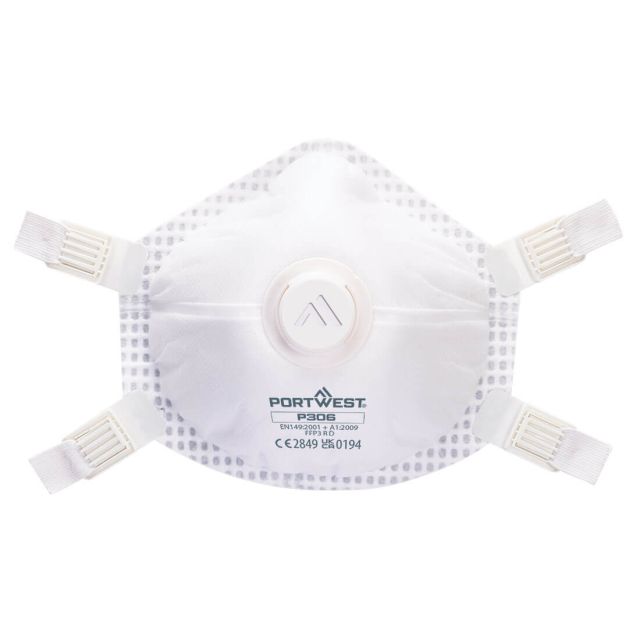
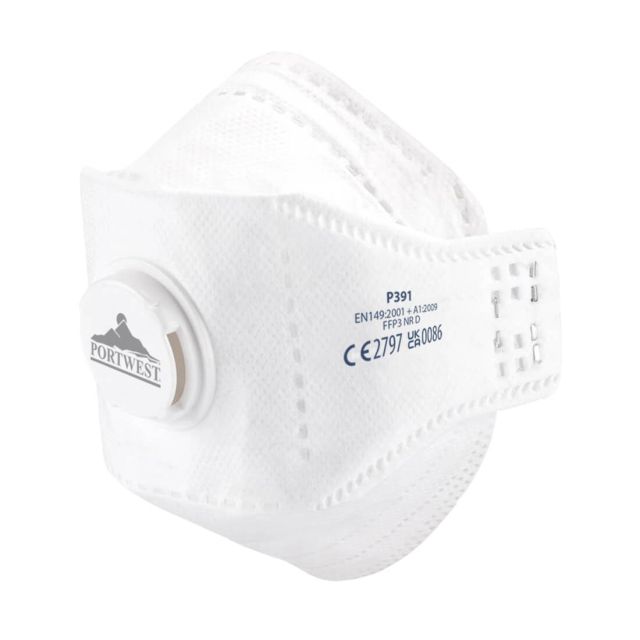
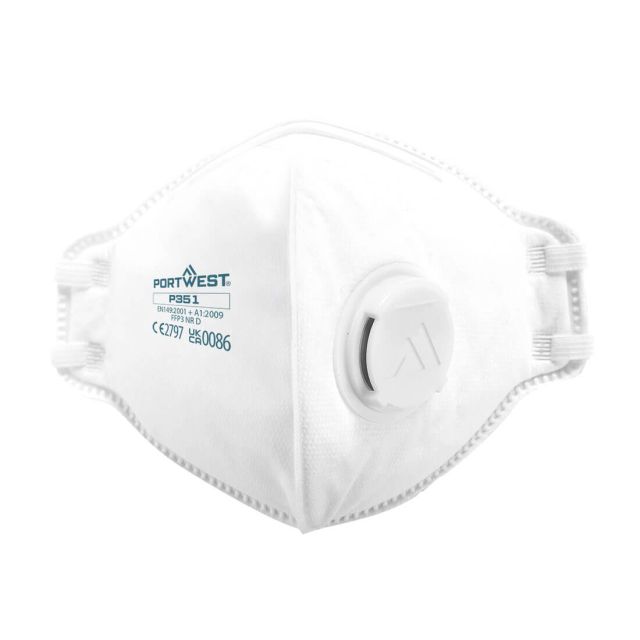
Hi Vis Clothing
Clean
- Clean your Hi Vis regularly/daily according to manufacturer instructions.
- Cleaning method will vary for different types of clothing.
Maintain
- Maintain hi vis by repair when possible, or replace if not.
- Employers are responsible for replacing as needed, but well maintained hi vis can last months to years depending on exposure and work environment.
Replace
- Replace hi vis when safety is compromised.
- Check for defects (broken, missing, in need of maintenance, burns, spills, excess soiling, tears, deterioration, etc)
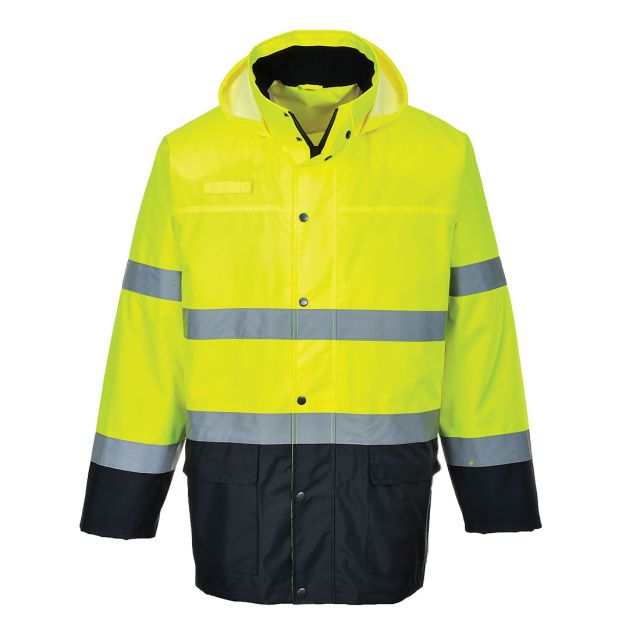
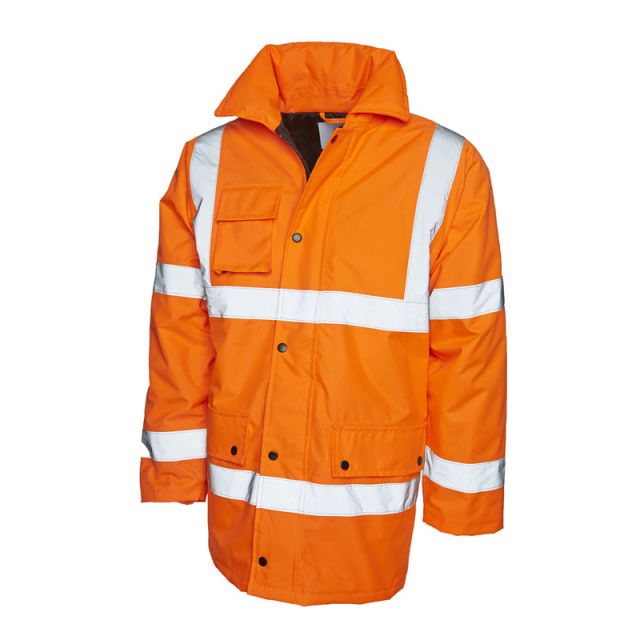
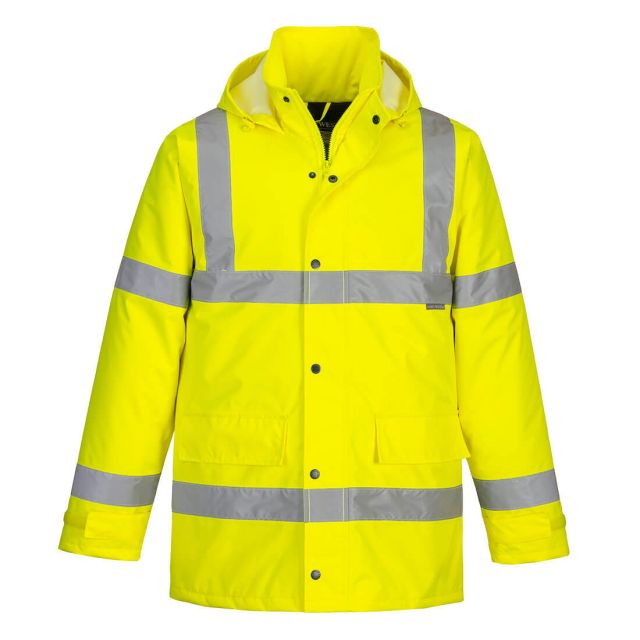
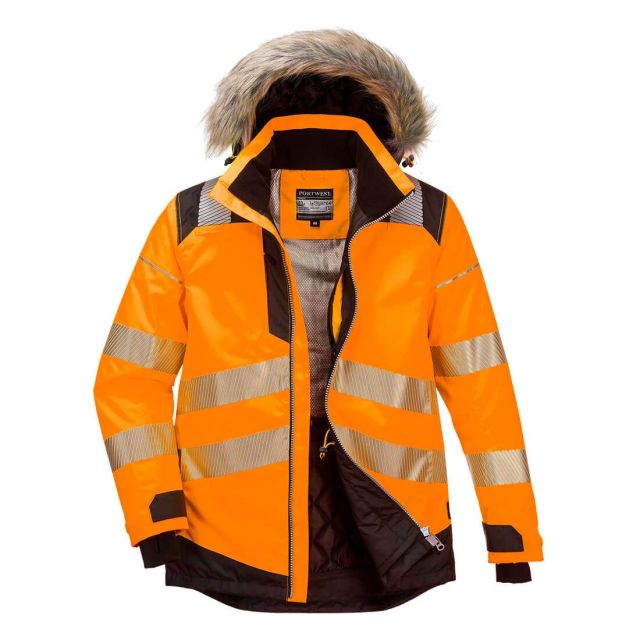
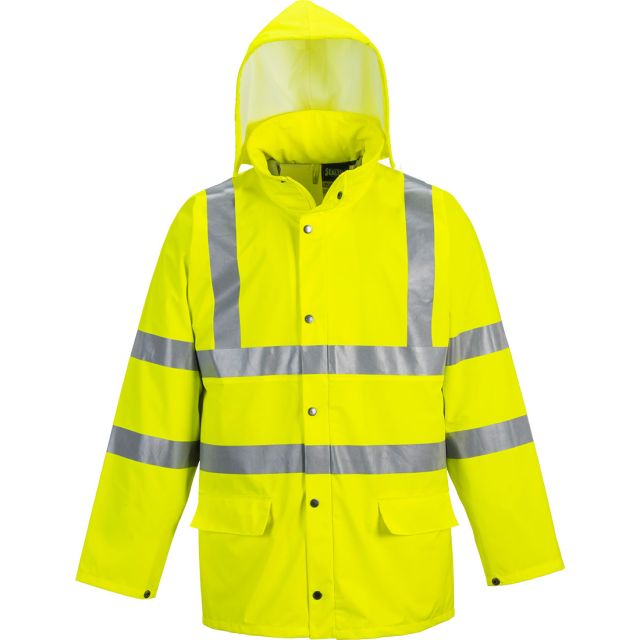
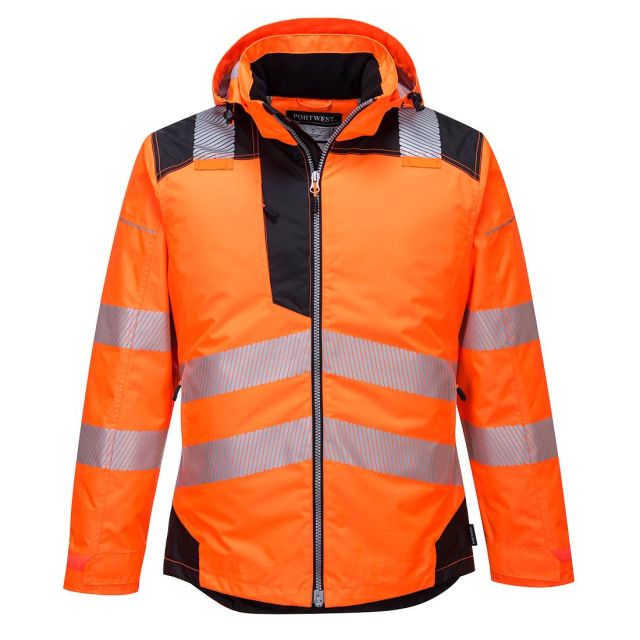
Conclusion
Make sure you create a routine part of the work day (or week) where equipment is checked and maintained otherwise safety could be compromised.
Make sure there is someone (or a team of people) responsible for checking PPE maintenance and replacement.
Keep track of what you buy, when it will likely need replacing, and write down when equipment is cleaned and repaired. When equipment is flagged as ‘needs replacing,’ check over the piece of equipment to see if it still performs safely, and if it doesn’t, replace it.
Ignoring PPE maintenance a terrible idea for your business. When safety goes out the window, accidents happen. If accidents happen at work, that means you lose time and money – in the form of worker absence, compensation payouts, and potential fines. It’s estimated that over 600,000 workers are non-fatally injured at work, often resulting in […]
Workplace safety awareness is important to keep your staff safe whilst they are working. There are various known hazards for each industry. However, it is often the hazards that are easily forgotten which cause harm. Although not obvious, poisonous plants are a great threat to outdoor workers, especially in the summer. Here is everything you need to know and how you can protect your workforce against them:
- Types of Poisonous Plants
- Who is at Risk?
- How You Can Protect your Workers
- What Action to Take if Somebody is Affected
Types of Poisonous Plants
Many people know that there are poisonous plants out there, but they are uncertain on what they are. The most common plants found in the UK are:
Deadly Nightshade
This plant is known for both its hallucinogenic and lethal properties. The foliage and berries both contain deadly toxins. The berries have a sweet taste and are easy to mistake for fruit such as bilberries. However, eating these can cause tragic consequences.

Giant Hogweed
This plant reduces the skin's protection against the effects of UV radiation. Exposure to sunlight after contact causes severe skin rashes, blistering and burns, but the effects may not start for 24 hours after contact.

Monkshood
The entire plant is highly toxic and fatal if consumed. We should wear gloves and long sleeves when handling Monkshood to avoid skin contact with the sap. Aconite and aconitine are thought to be the key toxins. Ingestion of even a small amount results in severe stomach upset, but it is the effect on the heart, which causes death.

Poison Hemlock
Five alkaloids are present in hemlock. It causes violent vomiting and causes paralysis of the nervous system. Death is usually the result of respiratory failure.

Foxglove
All parts of this plant is toxic. Consuming the leaves can cause oral and abdominal pain, nausea vomiting, and diarrhoea. In more severe cases, the symptoms can include visual disturbances as well as heart and kidney problems.

Winter Cherry
Similar to the nightshade family, the berries are poisonous. Their appearance means they can be easily mistaken as fruit which makes them dangerous. They are rarely fatal if when consumed.

Who is at Risk?
This might seem like an obvious answer but anybody who works outdoors could be at risk from poisonous plants. The main job roles at risk though are:
- Farmers
- Foresters
- Landscapers
- Groundskeepers
- Gardeners
- Painters
- Roofers
- Pavers
- Construction workers
- Labourers
- Mechanics
How You Can Protect your Workers
The side effects of these plants can prove very nasty and workers will need indefinite time off to recover from them. This can prove costly to your business as it may leave you understaffed and under the required capacity to work most effectively. That is why it is important that you take measures to protect your workforce.
The various steps you can take include:
- Download plant identifier apps for your smartphone.
- Hold regular meetings to help your team identify poisonous plants
- Do not touch or brush against plant with bare skin
- Wear the correct PPE to cover your body such as coveralls, boots, rubber gloves and a face shield.
- Wash boots and then rubber gloves before removal
- Remove clothing carefully to avoid contact with plant sap
- Wash non-disposable clothing
- Wash equipment
- Avoid using power tools near or burning the plant (damage can release toxic sap or oil).
- Anyone who attempts to control the plant knows:
- The hazards
- The controls to prevent contact
- How to prevent further spread of the plant
What Action to Take if Somebody is Affected
However much you do try and protect your staff from the dangers of poisonous plants, it is possible that they still can be affected by them. If somebody on your team shows side effects of poisonous plants, you should:
- Wash the affected area with plenty of soap and cold water.
- Cover up the affected areas and avoid direct sunlight.
- Seek medical attention.
It is important you use cold water. Hot water would open up the pores of the skin, which would then allow the poisonous oils or sap to be absorbed deeper and easier by the skin.
Conclusion
Poisonous plants are a hazard depending on your job role. You need to ensure that you and your workers know what the common most poisonous plants look like and their effects. Also, understand how you can protect yourself and workers and the actions you can take should someone become affected.
Workplace safety awareness is important to keep your staff safe whilst they are working. There are various known hazards for each industry. However, it is often the hazards that are easily forgotten which cause harm. Although not obvious, poisonous plants are a great threat to outdoor workers, especially in the summer. Here is everything you […]
Working outdoors can come with its fair share of risks, and one of the more dangerous hazards you and your team are facing is lightning. Although it's a hazard which is usually overlooked because we don't see it too regularly in Britain, it's something which needs highlighting because of the risks it brings. In the case you and your team are going to be working on a site where lightning can occur (very likely over the coming months), it's important you conduct a lightning risk assessment. Here's what you need to do.
Here's what to include in your risk assessment for lightning:
Identify the hazards Decide who might be harmed Evaluate the risks and record significant findings Implement and communicate emergency plans Review PPE and safety equipment Review the assessment and update Identify the Hazards
This is the vital first step when completing a risk assessment for lightning. Obviously, the main hazard is lightning but this also means that you need to walk around the site and make thorough checks of other potential hazards that could arise, making it a more dangerous place to work if lightning does occur.
Lightning protection concepts, such as earthing of metallic structures, are often inherent in the design of construction sites. The likelihood of a major accident being initiated by a lightning strike at a well-designed and maintained site is relatively low. However, that can only remain a low risk if you're focusing on every area where there could be a potential hazard.
This might include analysing the rooftops to see if they are safe to work on or whether they could be dangerous if there's lightning, especially since employees could be working at heights as anything that increases your height can increase the chances of being struck by lightning.
Along with this, check machinery and equipment such as cranes along with steel structures as materials that are made of metal also increase chances of being struck by lightning. If you have identified any risks, it's down to you to prioritise their safety by communicating these risks and telling them the areas on-site where they can and can't work.
Allowing them to continue working in such conditions can result in accidents which, again, can have fatal results.
Decide Who Might be Harmed
The obvious answer to this stage of the risk assessment is that it will be your employees who can be harmed as they can be struck by lightning. However, when you're identifying risks, you also need to take into account who else can potentially suffer from an injury because of lightning.
For example, if your construction site is in the middle of a busy city, then the chances are you could have lots of public walking around the site, even if it's hoarded off so nobody can enter. Here, it can be beneficial to ask your employees to help with this task because they might notice things that aren't as obvious to you or can come up with solutions on how to manage and control risks to the public and even inexperienced workers.
For each hazard you identify in the first stage, you need to be clear about who might be harmed. If an employee is on a structure at height and lightning strikes, they will be in danger. If there is equipment on a building which can fall from a height if lightning strikes, then the public or anyone else within its vicinity could be at risk.
When you have the answers to these questions, then you can begin to implement a solution to these problems, such as storing equipment away or not letting an employee on a roof etc.
Evaluate the Risks and Record Significant Findings
Evaluating the risks that lightning can bring involves determining how likely harm will come to each person both on and off-site. You won't be able to eliminate every risk, but you need to know about the main risks lightning can bring and the things you can do to manage them to maintain safety.
A good first step is to regularly check weather forecasts so that you can be best prepared if the chance of lightning does increase. By avoiding this, you could be placing your employees in more danger as they wouldn't be able to constantly check the weather alongside completing their normal duties.
Along with this, take necessary precautions yourself such as preventing access to dangerous areas or machinery on-site which shows that you're taking precautions. Also, as lightning is easily absorbed and carried by conductive materials such as metals, highlight all areas where this could be a risk on-site to warn your workers to stop using and move away from objects that can conduct electrical currents.
Although it's best to step away from conductive materials immediately, safety gloves can provide additional protection.
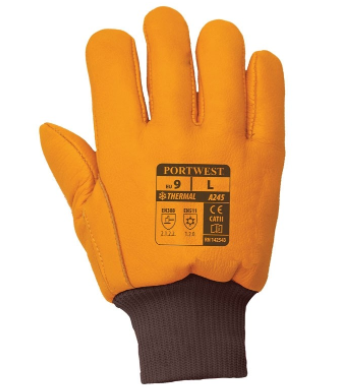
We Recommend: Portwest Antarctica Insulatex Glove & Portwest Fleece Lined Rigger Glove
If you're noticing that there are many risks you need to communicate, it's important that you organise lightning safety training so that employees aren't constantly relying on one individual to keep them safe, but they'll know the necessary steps to take to keep themselves and everyone around them safe.
Once you have evaluated the risks, you should record any significant findings. Your documentation needs to show that checks were made, you asked who the risks could affect and the precautions you took so that you can make your construction site a safe one to work at.
Implement and Communicate Emergency Plans
With lightning strikes a probability, planning, implementing and communicating emergency plans must happen during your risk assessment. This protocol is vital as your employees need to be aware of what should happen if lightning strikes, what they can and can't do along with having trained bodies on-hand should the worst happen.
An example of an emergency plan could include:
Train supervisors and employees to recognise the warning signs of thunder and lightning. Inform them to always take prompt action. Ensure everyone on-site is quickly notified about dangerous weather conditions and not leave it too late. Clearly identify the locations of the safe shelters. Specify when workers need to suspend outdoor work in the case of dangerous weather and when it's safe to resume. When putting your emergency plan together, account for the time required to evacuate all of your workers to the safe areas on-site. Have CPR-trained bodies on-site in case of emergencies. If somebody is struck by lightning, a trained person can administer CPR to revive someone.
By creating and communicating an emergency plan during your risk assessment, it shows that you won't be missing out any hazards because the knowledge and findings will remain fresh. This, in turn, helps keep everyone safe if lightning does occur.
Review PPE and Safety Equipment
On your site, your workers should be wearing PPE anyway because of the hazards they can face on a construction site. However, this is even more essential in lightning conditions. Not only should you be ensuring that everyone is wearing PPE and that you have extras on site, you also need to review the PPE your employees will be wearing to make sure it's still safe to use.
During this stage of the risk assessment, you can determine whether the PPE your workers are wearing is still safe to wear or whether there's damage which means it needs to be replaced. If this is overlooked, then your workers will be in additional danger as they have even fewer safety elements in place to keep them safe.
So check to see that hard hats are in good condition, that gloves can still be used, that glasses and their lenses are still durable enough to protect eyes, that you have waterproof equipment on hand and that earplugs still work. This gives you a better indication of which PPE can still be used and which you need to replace at the earliest convenience. This is also why it's a good idea to have extra PPE on-site should it be needed.
To make sure you're not missing out anything important when reviewing the condition of your workers' PPE, click below to see a checklist of the equipment you'll need so you don't miss anything important.
Review Assessment and Update
Not every site your employees work on is going to be the same or stay the same through different phases of the project. This is why it's important that you continue to conduct new assessments, review previous ones and update where necessary. As new changes are made or you work in new conditions - such as an area or season where lightning is more common - then policies need to be updated for optimum safety.
It also acts as a chance to continue improving your risk assessments and making it more seamless for future assessments so you know exactly how and what to check.
Statistics show that on average in the UK, two people are killed by lightning each year with a further 30 being injured. When you consider the type of work your employees will be conducting, they are at much greater risk of this hazard. So, conducting a lightning risk assessment is vital to keep everyone safe at all times.
Working outdoors can come with its fair share of risks, and one of the more dangerous hazards you and your team are facing is lightning. Although it’s a hazard which is usually overlooked because we don’t see it too regularly in Britain, it’s something which needs highlighting because of the risks it brings. In the […]
Exposure to excessive noise levels can be severely harmful to your workers’ health, both short and long term. They are apparent in every industry and construction is up there with the highest noise and longest exposure levels.
It is important to know what level of decibels is harmful to you and your workers and the various ways in which you can combat this issue.
In this article we are looking at noise levels in a construction industry context, but the same issues, regulations and protections apply across most industries. The areas we will be talking about are:
- Page Contents
- The Laws Regarding Noise Levels
- The Consequences of Exposure to Excessive Noise
- Ways to Reduce Noise
- Protection
The Laws Regarding Noise Levels
In April 2006, the Control of Noise at Work Regulations came into force for the all industries in Great Britain except the music and entertainment industries.
The primary aim of the introduction of these regulations was to ensure that workers’ hearing is protected at all times from excessive noise in the workplace. Too much noise exposure could lead to loss of hearing and potentially suffering from permanent tinnitus (ringing in the ears).
A lot of construction sites are noisy. Really noisy. Full of constant or extreme and sudden loud noises. You will often find that you are raising your voice just to speak to your team, even when they are only two metres away. This is a telltale sign that noise levels on-site can damage health.
Other signs that your site might be too loud for safe working without protection are if you go home and find your hearing is muffled or your ears are ringing.
As a whole, power tools and other vital equipment are designed to stay under the recommended limit of 85 decibels, but you can often find that they can reach up to as many as 115 decibels.
These limits will also be exceeded if your team are using the equipment in a way that the suppliers and manufacturers do not suggest. The surpassing of the recommended limits on power tools and machinery can prove to be a huge catalyst in the result of hearing problems for many construction workers.
The Consequences of Exposure to Excessive Noise
You can work out if your site has excessive or dangerous noise using a simple calculation. Details of how to work out the correct hearing protection can be found here.
Your workers may find that if they are exposed to excessive noise too often over their working life that their quality of life may be hampered in various ways. These include:
- Conversation becoming increasingly difficult.
- Sounds like “t’s, d’s and s’s” are difficult to grasp and words can be easily confused.
- Permanent tinnitus - A constant ringing, buzzing, humming or buzzing in the ear. This condition has to be known to seriously affect sleep and in some cases, may be linked to depression.
Ways to Reduce Noise
There are two main ways to combat the noise levels on-site to protect your team - reduction or complete elimination.
Elimination
One way in which you can totally eliminate the exposure to excessive noise levels is by removing your team from the areas in which the loudest noises are. You can gauge which jobs are the noisiest ones to carry out by undertaking a noise risk assessment.
Observe work activities and measure the exposure time over part of a typical working day. If a particular employee is exposed to noise from more than one tool or work process during the day, you will need to collect information about the likely noise level and exposure time for each tool and overall job.
In addition, use the guidelines that the manufacturers and suppliers provide with each piece of equipment to calculate the potential level of noise that your workers will be exposed to.
Reduction
If it is not possible for you to remove workers from noisy areas, then quieter equipment should be your next move. Remember: you should only look towards hearing protection as a last line of defence.
Use the guidelines and trader advice when selecting your equipment to buy or hire and choose the quietest tools that are most effective for the job. Obviously not every job can be done quietly, but there are usually ways to lower noise levels.
Protection
Hearing protection should only be used when additional protection is required in tandem with another reduction or elimination method.
If hearing protectors are required, aim to provide protection of 85 decibels at the ear. Be careful not to provide excessive protection though as this can cause added dangers. Cutting out too much noise can also increase feelings of isolation and potentially lead to employees becoming frustrated and not opting to wear them.
Provide your staff with a choice of comfortable, hygienic ear defenders or ear plugs. That way, they would be more likely to wear them and can choose which ones suit their role best.
Ensure that your team are all trained in how and when to use ear protectors. This will help when on-boarding new staff and keep everybody as safe as possible.
Exposure to excessive noise levels can be severely harmful to your workers’ health, both short and long term. They are apparent in every industry and construction is up there with the highest noise and longest exposure levels. It is important to know what level of decibels is harmful to you and your workers and the […]
We may associate lone workers with some guy who works from home in his basement (maybe in his underpants) on some sort of tech job, but there are more people classed as “lone workers” than one would think. Nearly 6.8 million workers work alone. Anyone from security to some outdoor workers, even nurses and teachers are considered lone workers. Whilst no specific law dictates that workers cannot work alone, the Health and Safety Executive dictates that lone workers should not be at any more risk than any other worker. Here’s how to keep lone workers safe.
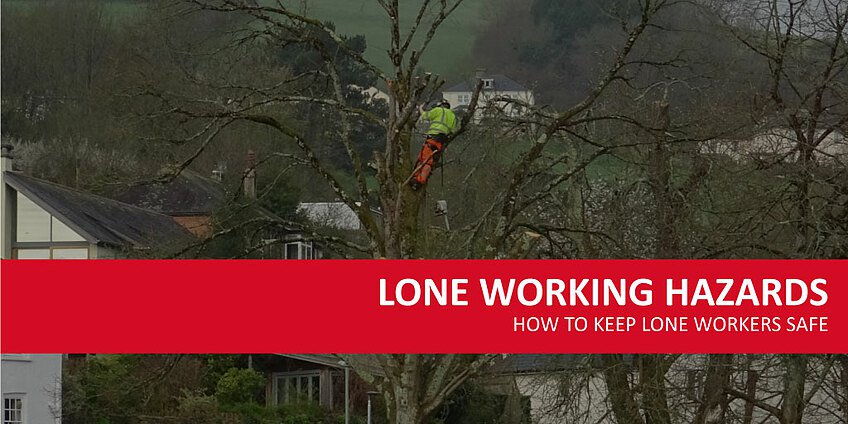
Photo credit: Phil Gayton via Visual Hunt / CC BY
By law, employers must conduct a health and safety assessment before lone workers venture out on their own. Even if your workplace already has a policy in place, does it cover lone workers, and does it take into account new places of work? If not, then your policy will need an update, and you’ll need to assess the lone working hazards, understanding how best to keep these lone workers safe, especially if they work outdoors.
Who is considered a Lone Worker?
As stated earlier, there are many employees who are considered lone workers, which include some of the following professions:
Care workers Public transport drivers Catering staff Educators Retail workers Lorry workers Social workers Personnel Leisure service providers Window cleaners Tree surgeons Construction workers Telecommuters Affiliated marketers Writers Energy industry workers Surveyors Land managers Drillers Refinery workers Traveling salesmen Repair technicians Cleaners Real estate agents Receptionists Service station attendants Self-employed people
This list is by no means comprehensive, but it’s easy to see that many professions fall into the lone working category, so make sure you’re providing appropriate safety measures for any lone workers on your team (or for yourself).
What are the Risks of Lone Work?
There are many hazards that lone workers face - from verbal and physical abuse in public facing jobs to the hazards of the outdoors. Lone workers can be in danger of slips, trips, and falls; susceptible to illness or injury; and have additional risks depending on their specific field. For example, oil rig workers, in the middle of the ocean will have additional risks that, say, a cleaner might not have, but each job comes with its own associated risks. Night security guards, whilst indoors, may be more susceptible to verbal and physical abuse than a writer, teacher, or real-estate agent, but those other three professions, have their own risks too and that’s where your health and safety assessment comes in.
Understand and Manage the Risks
Lone workers in particular (because they aren’t accountable to anyone per se), should understand the importance of any mandatory PPE provided. They also need to understand - when working outside - the dangers of working in the rain, the cold, or in the heat. There will be no one there to monitor them and call an ambulance if they have severe heat stroke, if their internal body temperature drops to unsafe levels, or if they slip and fall on wet leaves.
Lone workers must understand the dangers and take every precaution to minimise and manage risks, just as employers are legally obligated to assess those risks and provide safety measures. In short, lone workers must be cooperative and take reasonable care of themselves by wearing appropriate outdoor protective gear such as safety harnesses for working at heights or slip-resistant work boots.
Appropriate Safety Measures
Make sure all lone workers have a fully-charged mobile phone on them, and check that there is signal so calls can be made both incoming and outgoing. If there is no telephone available, make sure there is another worker (or group) who check on this worker at specified intervals (may be every hour) to make sure safety is maintained. You may also agree to fit some sort of GPS trackers on lone workers if they are working, say, deep in the woods and no one has heard from them - or use transistor radios.
For those lone workers who work in and around people’s homes, think window cleaners, builders, and so on, then they will need regular access to their mobile phones or emergency buttons in situations where they feel threatened and unsafe. According to the British Crime Survey, nearly 150 lone workers are attacked both physically and verbally each day, and HSE case studies note the psychological impact of negative environments on lone workers.
Make sure someone knows where every lone worker is at any given time. The lone worker (him or herself) should also notify family members not just supervisors or coworkers regarding where they are at all times. This acts as a precaution if their point of contact is not readily available.

image credit
Training
Lone workers should be trained in emergency procedures and what to do in case of emergency. Lone workers need access to first aid facilities, and to call emergency services if they need. Training should also include what equipment (PPE, GPS, or tracking applications) lone workers need in order to keep safe, as well as how to use and maintain that equipment, and who to report to when they change locations. Lone workers and employers must know when work cannot be performed alone - when it’s too high risk to do so - and act accordingly.
Support
Since lone workers are often victimised, it’s important to allow lone workers to have a support network made of other lone workers and management. It’s important to listen to lone worker’s concerns and address any issues they may have. In the event of an attack or incident it can cost your company up to £19,000 to investigate that incident of violence, so if at all possible it’s important to make sure incidents do not happen at all.
If you have workers who work solo, make sure to provide the maximum amount of protection you can, and make sure they understand their responsibilities too.

Make sure you’re giving your lone workers the right PPE equipment.
Ensure worker safety by downloading our quick PPE checklist to make sure you’re PPE compliant. Learn how to store, maintain, and know when to replace your PPE. Download your FREE copy now. 
We may associate lone workers with some guy who works from home in his basement (maybe in his underpants) on some sort of tech job, but there are more people classed as “lone workers” than one would think. Nearly 6.8 million workers work alone. Anyone from security to some outdoor workers, even nurses and teachers […]
When workers work at heights there are always risks of falling. Construction has the highest fatalities of any industry, and deaths often resulted from falling from heights, which is why employers must adhere to all regulations for working at height. The Work at Height Regulations came into effect in 2005 to prevent workplace deaths and accidents. In this blog post, we discuss the eight regulations for Working at Height in plain language.

Photo credit: Boris Zhigun via Visual Hunt / CC BY-NC-SA
What do the regulations say?
For working at heights there are regulations that stipulate employers need the following...
Requirements for existing places of work and means of access or egress at height. Requirements for guard-rails, toe-board, barriers, and similar collective means of protection. Requirements for working platforms. Requirements for collective safeguards for arresting falls. Requirements for personal fall protection systems. Requirements for ladders. Particulars to be included in a report of inspection. Okay, so what does that actually mean?
Here are the 8 regulations (called schedules) for Working at Height: explained in plain language...
Schedule 1: Requirements for existing places of work and means of access or egress at height. The place where workers stand should be rigid enough and strong enough for its intended purpose. It should hold any people and materials needed to get the job done. The structure should rest on a stable surface that’s strong enough to hold it - where applicable. Basically, if the structure is scaffolding, the ground below needs to be stable enough to hold the scaffolding, the people on it, and the materials on the scaffolding (the wood or bricks used, etc).
 image credit
The structure should have sufficient dimension (be big enough) to allow people to pass across each other’s paths safely, and should allow for materials to be used safely in the area (provide a safe working area). In other words, if it’s scaffolding for bricklaying, can the area support the workers laying bricks, the bricks themselves, and allow for safe passage from one end of the scaffold to the other without causing harm to anyone? The structure needs to have sufficient support to prevent falling. “Sufficient support” can count as kick boards or railings or any other protective measures on scaffolding, for example. The structure needs to have a surface without gaps which a person could fall through or an object could fall through that could injure someone below. So, if it’s scaffolding, the boards need to be close together not to cause harm or injury, so that a brick, for example, couldn’t fall below and hit someone or the person above cannot trip or fall between boards. The structure needs to be constructed, used, and maintained in a condition that prevents slips, trips, and falls that stops people being caught between the structure and the building (being worked on) or - if it has moving parts - those parts need to be prevented from moving in a way that can cause harm when workers are working at a height. Basically, if it’s scaffolding, it needs to be inspected for safety, there needs to be measures in place so people don’t slip or get trapped between the scaffolding and the building, and if there are moving items on the scaffolding, they need to be secured for safety when not in use. Schedule 2: Requirements for guard-rails, toe-board, barriers, and similar collective means of protection. This section discusses the requirements for guard-rails, toe-boards, barriers, and other protective means to protect workers who work at heights. Protection should have the right dimensions, strength, and rigidity for intended purpose. It should be placed and secured so that it cannot accidentally become displaced (get moved) and open itself up to hazards. It should also be placed to prevent workers or objects from falling. For construction, there needs to be a top guard-rail or other protection that is at least 950 mm (or 910 mm for existing structures) above the edge from which anyone could fall.
 image credit
Toe boards should be high enough so that a person or object cannot fall from the height, and guard-rails should provide similar protection, and each gap should not be more than 470 mm (see image above). All structures intended for protection should provide protection, be strong enough, and be attached securely. For example, if a person was to fall against the guardrails and toeboards in the image above at force, the guardrails and toeboards shouldn’t break or falter and should protect the worker and objects on the scaffolding from falling.  image credit
There should not be any side openings (lateral openings) on the structure except at entry points such as where there is a ladder or stairway and the opening is necessary. The protective measures should only be removed for the amount of time it takes to enter the scaffolding from the opening (ladder or stairway), and replaced as soon as possible. No tasks should be performed when the protective measures are open except in cases where other safety measures are in place that would ensure no harm would come to workers. Basically, if there’s a doorway, work should pause as people are entering and exiting, and the safety measures should be replaced when a person has finished entering or exiting (see images above).
Schedule 3: Requirements for working platforms.
Part 1: Requirements for all working platforms All platforms must be stable enough and strong enough to handle people, objects, tools, and anything else they must support. All platforms need to be strong enough for their intended purpose. For wheeled structures, items shouldn’t move by themselves (inadvertently) during working at height. Moving objects should be attached to a bearing surface or another structure and not be slippery. All platforms should be stable when they are being constructed and dismantled. They should always be dismantled in a way that will not allow for displacement (movement) that could harm someone. If platforms are altered or modified, they need to remain stable when modified or altered. Working platforms should be safe enough to allow people and people carrying objects to pass each other safely. The platforms shouldn’t have gaps where people or objects could fall, causing injury or risk. When constructed, platforms should be maintained in their original condition and should not be slippery or allow for people being caught between structures. Any platforms should not be overloaded as to risk collapse or deformation (warping, bending, etc) that would make it unsafe for workers to use.
Part 2: Additional Requirements for scaffolding Calculations for strength and stabilities need to be made unless calculations are already available, or the scaffolding is assembled conforming to generally recognized standard configurations. Depending on the complexity of the scaffolding, there should be a use and dismantling plan drawn up by a qualified (competent) person. The plan may be standard with supplemented items relating to specific details of the new scaffolding structure. A copy of the plan and instructions should be available for those who are assembling, dismantling, or altering the scaffolding up until the point it is completely deconstructed and taken down. The dimensions, form, and layout of the scaffolding decks need to be appropriate for the work that will be done, the loads, and allow for safe passing. There should be health and safety signs in place when the scaffold cannot be used, during assembly, alteration, or dismantling, and the area should be barred to prevent access to the danger zone. A supervisor must be present for any assembly, dismantling, or alteration to the scaffolding, and that person should be competent, have appropriate training, and address specific risks associated with the action. During assembly, alteration, or dismantling of scaffolding, the supervisor needs to understand any plans being carried out, provide safe conditions during the work, use measures to prevent people or objects falling, provide safety measures for weather changes, calculate the permitted loads (how much load the scaffold can take when it’s not fully built), and asses any other risks that the action may pose. Basically, someone should be responsible for the safe construction and dismantling of the scaffolding itself.
Schedule 4: Requirements for collective safeguards for arresting falls.
Safeguards should be used if a risk assessment finds that the work can be done safely using the safeguard without compromising its effectiveness. Safeguards should be used if other safer work equipment cannot be used. Safeguards should be used if enough people have received training on that safeguard, including rescue procedures. Safeguards need to be suitable and strong enough to stop falls of any people likely to fall. For safeguards that need to be attached to something, they need to be attached to required anchors, and the attachment should be strong and stable enough to provide safety even if that person adds a load. The safeguard should prevent falls and allow for rescue. Think of a safety harness here. It should be attached securely and be able to carry the load of the person wearing it plus any equipment that may be worn and in hand. For safeguards like airbags, landing mats, or other such safeguards, they need to be stable and have enough clearance - for objects that distort when they stop falls. In other words, if the object on which someone will fall will spread out, there needs to be enough room for it to spread out. Safeguards shouldn’t cause injury to people if they fall.
Schedule 5: Requirements for personal fall protection systems.
Part 1: Requirements for fall protection systems Personal fall protection systems should only be used if the risk assessment shows that the work can be performed safely when using the system, and other safer equipment isn’t practicable. The users of the protection systems need to be trained on how to operate these systems and how to rescue people who have fallen. Personal fall systems need to be suitable and strong enough, even for added load. If the fall protection needs to be fitted, it needs to be fitted properly, designed to minimise injury to the user, adjusted to prevent falls or slips, and be designed to prevent falls even in the event of unexpected and uncontrolled movement of the person. Fall protection systems need to have secure anchors and be attached to at least one anchor and that anchor needs to be strong and stable and able to carry additional load. No one should be able to fall from tripping over or slipping over a personal fall protection system.
Part 2: Additional requirements for work positioning systems Work positioning systems should be used only if the system has enough backup to prevent falls, and when there’s a line as a backup and the user is connected to it. Part 3: Additional requirements for role access and positioning techniques Rope access or positioning techniques should be used only when there are two separately anchored lines where the working line is used for access and support and the other is used as a safety line.
 image credit
The user has to have a suitable harness that’s connected to the working and safety lines. The working line needs a safe means of ascent and descent (up and down movement), and there needs to be a self-locking system to prevent falls if the user loses control of his movements. The safety line needs a mobile fall protection system which travels with the user in case of a fall. The risk assessment needs to be taken into account, depending on the job and ergonomic (efficiency and comfort in the workplace) constraints. The system may have a single rope when the risk assessment determines that the second line would create a higher risk to people, or other appropriate safety measures are in place. Part 4: Additional requirements for fall arrest systems Fall prevention systems need to absorb energy and limit force applied to the user’s body. Fall prevention systems shouldn’t involve risk to a line being cut. There should be a clear zone - for a pendulum effect (where the person swings back and forth from side to side on a harness, for example) - which doesn’t inhibit work or make the area unsafe. Part 5: Additional requirements for work restraint systems A work restraint system needs to be designed, if used correctly, to prevent the user from getting in a position where the user can fall, and it needs to be used correctly.
Schedule 6: Requirements for ladders.
All employers should ensure ladders are used for working at heights only if a risk assessment has shown that using more suitable work equipment isn’t justified because of low risk, short time of use, or features that exist on site that can’t be altered.
The surface the ladder rests on should be stable, be strong enough, be firm, and be of appropriate composition (for example, soil, concrete, etc that’s strong enough to hold the ladder securely) to support the ladder, the person, and the load, and so the rungs remain horizontal. Ladders should be positioned to ensure stability during use. Suspended ladders should be attached securely so it can’t be displaced or swing - with the exception of flexible ladders. Portable ladders should be prevented from slipping by securing sites at or near the lower and upper ends, by using anti-slip or stability devices, and by other arrangements that provide equivalent effectiveness and protection. Access ladders should be long enough to protrude above the landing place it provides access to unless other measures have been made to make sure there’s a firm handhold. Basically, when using ladders at entrances, they need to be long enough to allow the person using them to enter the workspace safely. Interlocking and extension ladders shouldn’t be used unless its sections cannot be moved relative to each other when in use. Before they are used, any mobile ladders should be secured so they don’t move at all when in use. For any ladder or run of ladders that rise above 9 metres (30 ft) above their base, there should be safe landing areas or rest platforms at intervals, where reasonable. All ladders should be used in a way that there are always secure handholds and supports for the user; the user should be able to maintain those safe handholds when carrying a load, except in cases of step ladders, handholds are unable to be used (not practical); or when the use of a stepladder is justified because of low risk or short time used.
Schedule 7: Particulars to be included in a report of inspection.
Inspection reports to do with working at heights need to detail the following:
The name and address of the person or company that requested the inspection. The location of the work equipment that was inspected. A description of what work equipment that was inspected. The date and time of the inspection Details of matter identified that could cause a health or safety risk to any workers. Details of action taken to reduce or eliminate the risks identified. Details of any further actions that are considered necessary to eliminate the identified risks (in points 5 and 6). The name and the position of the person who carried out the inspection and made the report.
Schedule 8: Revocation of Instruments
In this section, certain regulations have been cancelled. To find out which ones, visit this link.
This schedule applies to certain Shipbuilding and Ship-Repairing Regulations (1960, 1983), Dock Regulations (1988), Fishing Vessel Regulations (1988), Workplace Health and Safety Welfare Regulations (1992), and The Construction Health and Safety Regulations (1996).
How do companies comply with these regulations? Employers have a duty that work should be... Properly planned Supervised Carried out by competent people Workers must use the correct equipment for the job Risks must be assessed first - low-risk jobs will be easier to plan, for example, than high risk ones. Employees...
Have a legal obligation to be responsible and take care of themselves and others affected by their actions.
Must co-operate with their employer to comply with their health and safety duties and requirements.
Should report any safety hazards to their employer.
Need to use supplied safety devices and equipment in the correct manner, according to their safety training and instructions.
Must report if they think using equipment would be unsafe, and, if so, seek further instruction before continuing.
Protect your workers with the right PPE.
Make sure you’re PPE compliant and have ordered the right equipment, meeting the correct legislation by downloading our FREE PPE compliance checklist.
When workers work at heights there are always risks of falling. Construction has the highest fatalities of any industry, and deaths often resulted from falling from heights, which is why employers must adhere to all regulations for working at height. The Work at Height Regulations came into effect in 2005 to prevent workplace deaths and […]
A stewards job is often to provide security and manage crowds at events - like football matches, festivals, concerts, and so on - and make sure everyone gets to where they need to be - see people to their seats or designated area.
Stewards often act as a safety and security team too, and they need special supplies to keep the crowds safe, but to protect themselves too.
Crowds need to be managed effectively to prevent trampling and crushing too, but managers tasked with buying supplies for their steward teams are sometimes at a loss as where to begin, so we have compiled a list of the most used steward safety supplies.
Managers are in charge of lots of moving parts - find the staff to cover events, buying enough uniforms and safety equipment for a large team, making the schedules, dealing with the logistics of it all, so managers have enough to worry about without having to add uniforms, supplies, and protective equipment to their list of concerns.
Here’s a manager’s checklist of steward safety supplies:
Two-Way Radios
Stewards need to be able to communicate so every person needs to have a walkie-talkie (or two way radio), tuned to the same frequency to be able to communicate.
Make sure all equipment is fully charged and spare batteries or spare equipment are available if needed.
Latex/Nitrile Gloves
Some stewards are assigned the job of checking bags for glass bottles, food, drinks, and weapons. Since searching in stranger’s bags can be dirty and hazardous work (think germs that could cause illness), then you’ll want to provide your stewards with disposable gloves to do this task - latex or another substance will work such as nitrile for those with latex allergies.
Gloves also provide reassurance to the customers since they also feel necessary germs and dirt aren't making their way into their bags too.
Identification on Lanyards
Make sure everyone has official identification and they are wearing a branded lanyard. If everyone wears uniform and has official identification, any imposters can be spotted.
All workwear should be branded with your company name, and all employees should know what the official ID’s look like. Make sure everyone is accounted for.
Branded Hi Vis Vests or Jackets
For crowd situation, custom branded Hi Vis jackets for cold weather are a great idea as are hi-vis vests for warmer weather. Hi-vis allows for greater visibility, and, if the venue is outside, you want to protect your stewards from the elements. Having your logo on the back can help identify everyone, and keep everyone looking the same.
Branded Jackets
If you don’t want the Hi Vis option for your staff (decide if Hi Vis is the safest option - consult your staff too), then you can get custom branded jackets for your team.
Jackets can be waterproof, windproof, light for summer, or warm for winter.
There are lots of options!
Black Trousers
Black trousers are the best colour choice for stewards since dirt and mud doesn’t show up as readily. Make sure that the work trousers you select for your team are comfortable, durable, and appropriate for the weather. You may have to select waterproof trousers for really rainy events.
Gloves
For winter events, be sure to provide warm gloves (in addition to the latex gloves) to keep your steward’s hands warm and protect them from the cold. If stewards have to check and write on or tear tickets, keep that in mind when you’re finding the right pair.
Sunglasses
In the sun, you’ll want to protect your steward’s eyes from glare and harmful sunrays, so provide sunglasses options for your staff.
Here are some safety glasses options we have at XAMAX®.
Ear Protection
For especially noisy events, check the decibel level and give your workers the options of wearing ear plugs if they want to protect their hearing. Check out this guide to hearing protection to find out more about the type of hearing PPE your workers may need, and shop hearing protection here. Disposable earplugs are an inexpensive safety option for stewards.
Safety Boots
Your stewards will need safe outdoor work shoes or boots to keep them protected from the elements. What they need will depend on conditions. For especially rainy and muddy events you may select wellington boots (don’t forget the warm socks), but for rugged terrain, you may want more of a waterproof hiking boot for your workers.
Some safety boots vary in weight and features such as waterproofing and steel toes so ensure you choose the correct ratings for the footwear you need. Discuss with your workers what they need to be both safe and comfortable for events.
Ponchos for Rainy Weather
Have everyone carry foldup ponchos on their person in case the weather gets rainy. Stewards are busy and don’t have time to hold umbrellas so a poncho is a good, lightweight alternative. You can get heavier weight ponchos with branding too if you feel that’s appropriate for your staff.
Branded Polo Shirts
Nothing makes stewards look smarter than high-quality polos with your logo emblazoned on them. You can use polos in the summer or under jackets as part of a smart steward uniform. Some polos have sun protection too!
Find out what XAMAX® offers in the way of bulk buying Polo shirts with logo embroidery too. Embroidered logos are long lasting and withstand multiple washes, so your stewards can keep them for years.
Last Minute Checks
- Make sure you have a list of all of your employee’s locations and their responsibilities.
- Make sure they are adequately trained to handle any emergency situations, and manage the risks associated.
- Make sure there are enough staff (always better to have too many than too few) to manage the crowds.
- Make sure you have enough first aiders and first aid kits for your crowd size. Ensure fire exits are not blocked, and keep everyone aware of others’ whereabouts to maintain everyone’s safety.
- Make sure your stewards are appropriately dressed for the weather and comfortable.
A stewards job is often to provide security and manage crowds at events – like football matches, festivals, concerts, and so on – and make sure everyone gets to where they need to be – see people to their seats or designated area. Stewards often act as a safety and security team too, and they […]
Lightning is an occupational hazard that's often overlooked, but it shouldn't be because it can severely injure or even kill outdoor workers, particularly if they're working at height. Here are some tips on how to protect your workers in spring and maintain lightning safety outdoors.

What are the Risks Associated with Working Outdoors in Lightning?
There are many hazards associated with working outdoors and one of them is adverse weather conditions - lightning being one of them. According to TORRO (the Tornado and Storm Research Organisation), analysis of lightning fatalities over the past 25 years showed that on average, in the UK, two people are killed by lightning each year and around 30 people are injured. And last July, the country was hit by more than 100,000 lightning strikes in one night, causing power cuts and flash floods.
Outdoor workers who are often in open spaces, work near conductive or explosive materials or on or near tall objects are at higher risk for lightning hazards. The risks include:
The ground absorbing electrical currents and creating ground currents Objects, such as trees, vehicles and buildings, setting on fire Being hit by lightning, which may cause the heart to stop, burns, muscle spasms, brain, nerve and organ damage Blindness if you're hit by lightning or stare too closely at the flashes Ruptured eardrums Being hurled into the air if hit, which can cause traumatic injuries such as broken bones Death if directly hit by lightning or a side flash as the current is usually so strong How to Keep Your Outdoors Team Safe During Lightning
The British spring weather, is notoriously unpredictable and sometimes, you may find that you and your team are caught in a thunderstorm when lightning strikes. If that happens, precautions should always be taken to make working in lightning conditions as safe as possible.
be prepared to stop working or take it to safer levels
Weather plays an important role in deciding what tasks can or can't be done on certain days. Ensure that you stay up to date with weather reports so you're always one step ahead and can make working conditions safe for your outdoors team.
Weather reports can be easily checked via social media, mobile apps or the internet. You could even invest in battery-powered weather radios, which broadcast a continuous stream of weather information specific to your area.
If thunderstorms and lightning are predicted for the whole week (or longer) and there's absolutely no way you can postpone your work, try and schedule work that your team can quickly stop in the case of sudden lightning storms. When the signs of approaching storms appear, your workers can then promptly stop their tasks and head for safety. Always try to take your tasks indoors where it will be much safer to work and ensure that your team know which buildings to seek out after hearing thunder or seeing lightning.
If safe building structures are not available, guide your workers to hard-topped metal vehicles with rolled-up windows. Remain in the shelters or vehicles for at least 30 minutes after hearing the last sound of thunder.
STAY AWAY FROM CONDUCTIVE MATERIALS
Lightning is easily absorbed and carried by conductive materials. Not only can these materials remain electrically charged which can electrocute anyone who touches it, but they can also be extremely hot and cause thermal burns. Ensure that your workers immediately stop using and move away any tools or objects that can conduct electrical currents.
The best approach will always be to stay away from conductive materials during lightning, but safety gloves can help to provide additional protection from electrical currents and heat.


We recommend Portwest Antistatic PU Palm Glove and Portwest Welders Gauntlet
use specialised ppe and safety workwear
Your outdoor workers should already be wearing and using the appropriate safety equipment and workwear, but this is even more essential in lightning conditions. When working at heights, workers should always be wearing safety harnesses that are securely fastened so they can quickly and efficiently move down if a lightning storm should start.
Safety glasses and ear plugs are especially vital in thunder and lightning weather conditions. Invest in glasses to protect your workers' eyes from the lightning flashes and ear plugs to keep their eardrums safe and intact in case of the accompanying thunder sounds. Ensure that your workers know to always wear them when there are weather alerts for thunder and lightning storms.
However, make sure that the ear plugs don't distract your team - they should still be alert and on the lookout for lightning signs.


We recommend Portwest Defender Safety Spectacle Smoke and Wenaas Earmuffs
stay warm and dry
When lightning strikes, it's often accompanied by a storm. Ensure that your workers stay warm and dry, which not only prevents them from becoming human-sized conductive vessels, but also keeps them happy and healthy (and productive). Invest in waterproof coats, jackets and trousers made from quick-drying fabrics.


We recommend Regatta Gibson Jacket and Portwest Iona Classic Rain Trousers
have an emergency plan in place
Always have an emergency action plan in place and ensure that all of your workers are aware of it. This protocol should include:
Training supervisors and workers to recognise warning signs of thunder and lightning, and inform them to always take prompt action. Ensure all workers are quickly notified about dangerous weather conditions. Clearly identify the locations of the safe shelters. Specify when workers need to suspend outdoor work tasks in the case of dangerous weather and when it's safe to resume them. When putting the emergency plan together, account for the time required to evacuate all workers to the designated safe zones. Have CPR-trained managers and workers in case of emergencies. The most dangerous thing that can happen if you're struck by lightning is that the heart might stop beating. In this case, always be ready to administer CPR as it is one of the few situations where you might be able to revive someone without needing advanced life support. Keep Your Outdoor Workers Safe in Spring
Lightning isn't the only weather condition that you need to watch out for in spring. For more tips and information on how to prepare your outdoor team for this season, download our FREE outdoor workwear guide for spring. It outlines the average temperatures for that season, the potential weather conditions and how best to clothe and equip your team against the risks and hazards of the outdoors.

Lightning is an occupational hazard that’s often overlooked, but it shouldn’t be because it can severely injure or even kill outdoor workers, particularly if they’re working at height. Here are some tips on how to protect your workers in spring and maintain lightning safety outdoors. What are the Risks Associated with Working Outdoors in Lightning? […]
It is night-time and you can barely see your hand in front of your face. What good is reflective hi-visibility PPE in these conditions? You need to have an external light source otherwise your hi vis vest is just a vest.
- Page Contents
- Why Being Seen Is Important
- Be Seen with Low Cost LED Wearable Technology
- The List is Getting Longer…
- Does this mean Big Expensive Batteries?
Why Is Being Seen So Important?
You can't rely on a driver to have their head-lights on for you and your workers to be seen. Neither can you hope your generators have enough fuel to power your spot lamps. These days we cannot even guarantee the electric being on to power the lighting.
These are points of failure that are outside of your control.
The HSE fatal accident figures always make grim reading, and "Struck by a moving vehicle" stands out at a staggering 18% of all fatal workplace accidents.
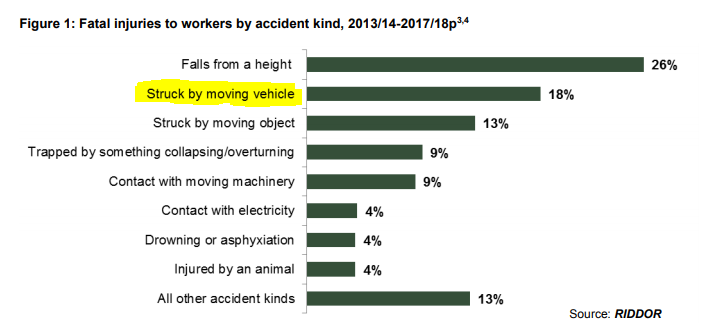
Being struck by a vehicle is an entirely preventable workplace accident. Can we even call them accidents when we can apportion blame? Let's call them incidents. Life ending incidents.
You and your workforce deserve to be safe. Everybody deserves to go home to their family at the end of the working day. No job is worth a life or a limb so you must consider what you can do to ensure a safe and productive work environment.
Be Seen with Low Cost LED Wearable Technology
LED Torches and LED clothing has been available for a while. It did not take long for the Personal Protective Equipment (PPE) industry to realise how practical LED lamps are. The low power usage combined with the high light emission and use of modern batteries makes this tech perfect for continued us in low light conditions.
It is not only hi-visibility vests with built in LED light. Products are available to convert existing clothing into light emitting safety wear at an extremely low cost- PPE or not. For example, Illuminated Shoe clips that make any shoe, boot or trainer into a beacon, Clip-on and Magnetic LED units that fit on any coat or jacket, LED Zip Pullers to fix on any zipper of any garment, Flashing LED Armbands that go over any garment or even bare arms.
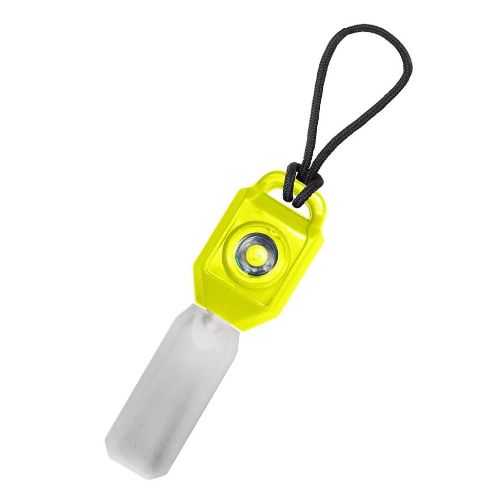
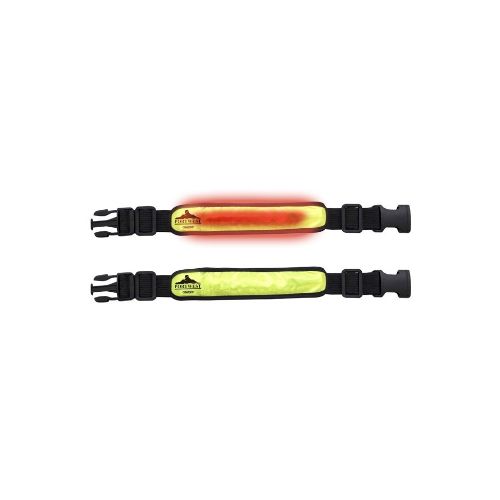
The List is Getting Longer…
The Health & Safety industry is starting to use this concept. In low or zero light you and your staff can be seen and above all safe.
Seeing in low light conditions is as important as being seen.
Your hi-vis workwear may be sufficient in the conditions you and your staff work in, but is there enough light to complete your tasks safely and productively? A high powered light source such as a generator fed spot lamp or building lighting casts shadows making the work area difficult.
With LED technologies, you can ensure your workforce can see well during low light conditions to fulfil their roles effectively and safely. Head mounted torches have come a long way since the rise of the LED.
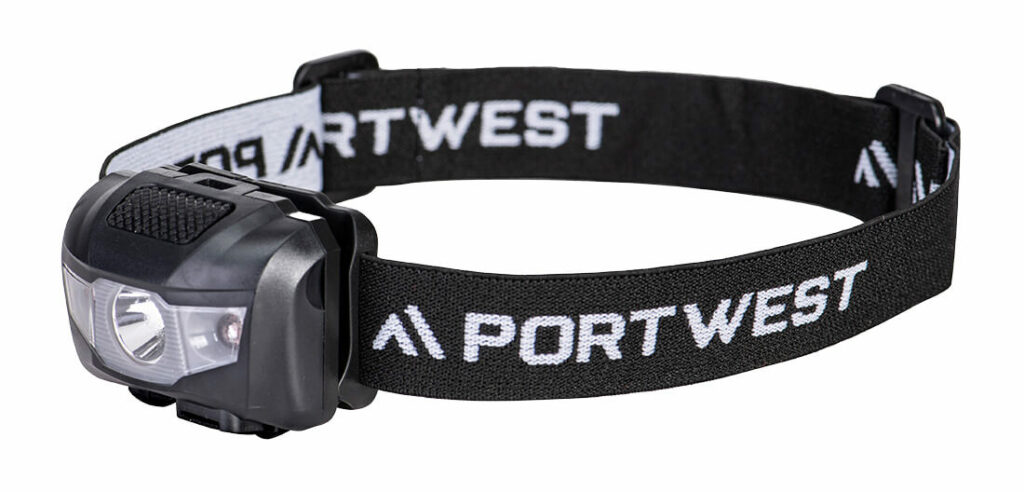
Does this mean Big Expensive Batteries?
No. Gone are the days of carrying heavy battery packs on the side of your head. Nowadays, LED lights create huge amounts of light relative to their power usage. Batteries have become much smaller and more efficient. Also, you can recharge from a simple USB plug.
For instance, the Beanie LED Head Light available at XAMAX® gives off 150 Lumens of bright white light over a 10m cast and uses just 1/10 of the power of a fluorescent light with the same output. The in-built battery is chargeable by USB (so anywhere you would charge your mobile phone) and lasts 4 hours on a relatively short charge.

The light itself is easily removable so you can wash the warm Beanie. They truly are an innovation.
What are You going to do about Your Employee’s Low-Light Safety?
Now you know they exist, this cost-effective LED tech will save you lost days of protection but also keep your employees safe. A quick low-light work risk assessment will help you decide what is out of your control and how these new innovations could help you protect your staff.
Shop around, see what is available and find the right products for your own specific needs.
Give XAMAX® a call on 0333 920 5674, we are not only friendly and knowledgeable, we will also match any like for like quote.
It is night-time and you can barely see your hand in front of your face. What good is reflective hi-visibility PPE in these conditions? You need to have an external light source otherwise your hi vis vest is just a vest. Why Is Being Seen So Important? You can’t rely on a driver to have […]
England might not be known for its snowfall, but when wind, rain, and cold are combined, ice is prevalent onsite. Snow and ice are not only hazardous because of the dangers of slips, trips, and falls, but also because the cold can cause numerous health problems when you haven’t prepared your workforce with appropriate PPE - think chilblains, cold stress, and hypothermia.
Does your business have a snow and ice policy in place? Although these conditions are rare in the British winter, any business with workers who work outside needs to have a snow and ice policy in place.
What is a snow and ice policy?
The Health and Safety Executive’s Approved Code of Practice L24 for the workplace notes that in snowy and icy conditions, in paragraph 96, that employers need to minimise the risks from snow and ice.
As with any health and safety assessment and policy, your business needs to plan for adverse weather conditions. Potential hazards need to be identified, and measures need to be taken to reduce those risks. You may decide that extra PPE will be needed to prepare for winter months in the form of more protective winter jackets in hi-vis, for example. The Health and Safety Act of 1974 notes that when it’s reasonable, employers have a duty to ensure the health, safety, and welfare of employees.
How you ensure that welfare is dependent on what is decided in your health and safety policy; however, if your health and safety policy does not include a snow and ice policy in which you provide measures to protect against the dangers in winter, then you need to update your policy.
Discuss conditions with your employees - the people who actually work in the conditions - and ask what they need to help keep them safe, warm, and protected from the elements.
Protective Clothing
One way to protect against snow and ice is to provide protective clothing. In winter and late autumn, workers need to wear layers with the outermost layer being waterproof. Your workers may want a bottom thermal layer, a long-sleeved sweat-wicking t-shirt, a fleece underlayer, and a warm, waterproof outer-layer in hi-vis. These layers can protect workers in all conditions. If it’s very cold, then layers can be added; if it warms up, layers can be removed.
Workers on site also need protective gloves in winter, warm hats that fit inside hard hats - if hard hats must be worn (purchase specialty gear for this purpose because ordinary hats will compromise the integrity of your hard hat if the fit is affected) - and scarves. Protective eyewear and ear muffs may also be used.
On foot, workers need to wear protective, warm shoes with woolly socks. The shoes must be slip-resistant to reduce risks. The Hospital Episode Statistics for England and Wales noted that in 2010 to 2011, there were over 15,000 people admitted to hospital from falling over in snow or ice. When people fall on snow and ice, it can not only break bones, but also cause internal bleeding and severe bruising, so it’s important that you keep workers safe in the cold.
Winter Considerations
When it’s cold outside, roadways may be blocked, ground may be covered with snow, pipes may freeze and burst, machinery may not work, and more, so there should be a policy in place that addresses - or at least gives workers an idea of - what to do if adverse conditions are in place - a hazard assessment specifically for weather conditions. Is someone in charge of snow ploughing or gritting? Do workers have to leave earlier to make sure roadways aren’t blocked? Put expectations in place.
The HSE’s Approved Code of Practice (mentioned earlier) also notes that minimising snow and ice risks may include gritting, clearing snow, closing routes, especially to outside stairs, ladders, and rooftop walkways as well.
Gritting should be done before snow falls preferably when the walkways could be damp, wet, or temperatures reach freezing or below. If heavy rainfall occurs, then grit can be washed away since it’s made of rock salt and if those conditions later turn icy, the walkways and roads will have to be re-gritted.
If conditions become too hazardous, work may need to be cancelled until conditions are safer. Identifying risks will help you update your snow and ice policy.
Make sure you’re prepared for winter...we can help.
England might not be known for its snowfall, but when wind, rain, and cold are combined, ice is prevalent onsite. Snow and ice are not only hazardous because of the dangers of slips, trips, and falls, but also because the cold can cause numerous health problems when you haven’t prepared your workforce with appropriate PPE […]
It’s a hot day out on the construction site on a hot roof, an unusually warm British summer day. Your employee isn't wearing his hard hat, or eye protection because they’re making his eyes and head sweat, but he is wearing some safety gloves. He’s no longer wearing a shirt, but he has his Hi Vis vest tied in knots like an Aladdin’s waistcoat, dangling from his arms. He manages not to have an accident this shift, so he doesn’t even consider the question: why is PPE important?

Most employees and employers know on an intellectual level that PPE is vital, but on a worksite, when faced with uncomfortable conditions, many employees forego PPE for comfort, which is dangerous and can lead to workplace accidents, but how do you sell the importance of PPE to your staff?
Talk with your workers about their needs
If your workers find their safety boots uncomfortable, or their protective goggles cumbersome, ask them what they’d prefer. See if there are alternatives on the market that will provide more comfort. In the long run, buying an expensive product for the sake of comfort will be cheaper than paying out in claims if an accident occurs. Ask about their hard hats, safety goggles, coveralls, gloves and any other equipment. Talk with your workers honestly about how often they wear PPE and find out what their objections are if they do not. Having some simple discussions can improve safety all around. Even if you need to buy some new equipment for certain employees, you’ll create bonds and trust and you’ll have a safer workforce.
 image credit
Provide thorough training
Depending on how often you provide training for new and existing hires, employees may not be aware of current regulations, or what’s required. Make sure you have training provided on all of the equipment needed to do the job. For example, if you work in the welding industry, provide training on safety in the shop. If your industry requires respirators or dust masks, educate your employees on the dust mask rating they need or the type of respirator that’s necessary - and make sure you perform fit tests. Once you’ve done your part as an employer, the onus of responsibility is on them.
 image credit
Hold workers accountable for their safety
Once you’ve provided training, make sure your employees know that you expect them to comply with safety regulations. You can decide on the punishments for noncompliance such as imposing fines or reprimands for workers who endanger themselves. Encourage teams to discuss with each other the importance of safety, and if a team member continues to endanger him or herself, have them report it to a supervisor. You don’t want to create a micromanaged, big-brother feel, but you do want to show that you’re serious about keeping everyone safe.
 image credit
Inspect sites often
Make routine site checks - or have a member of staff do these checks - to ensure that workers are wearing the correct safety equipment on site. Write regular reports. All equipment should be checked routinely for safety too, and replaced when it’s worn, broken, or out of date.
Outline your procedure
For all work sites, you should have a safety plan in place that your workers should know and be able to recite. Be sure that everyone knows your procedure, and what equipment should be worn. Also, make certain everyone knows how to report workplace accidents if they happen. Overall, let your workers know that you value safety, and PPE isn’t designed to be a punishment; it’s there to keep everyone protected - employer and employee alike.
Need PPE for your team? We can help
To see what we offer in Personal Protective Equipment, click here. We offer free embroidery or screen printing on orders over £100, and we have bulk offer deals where you can save money and outfit your entire workforce.

Need more advice? Get our FREE no-nonsense PPE checklist and keep your team safe...
We've complied the latest industry regulations, tips and advice on PPE - from what you need, why you need it and how often it needs to be replaced. Download below:

It’s a hot day out on the construction site on a hot roof, an unusually warm British summer day. Your employee isn’t wearing his hard hat, or eye protection because they’re making his eyes and head sweat, but he is wearing some safety gloves. He’s no longer wearing a shirt, but he has his Hi […]
Working outdoors can come with its share of risks. Whilst many are tucked safely at home or in offices in extremes - rain, wind, snow, ice, heat - outdoor workers don’t have the luxury of protection from the elements. Many workplaces know there are dangers to their employees, but don’t know how to conduct an outdoor risk assessment. We’re here to tell you how to complete a working outdoors risk assessment.
An outdoor risk assessment is not much different to an indoor risk assessment. However, you’ll have to consider different factors each work day, depending on the weather conditions, and the associated risks with each condition.
Controlling workplace risks
Any business health and safety plan should control any workplace risks. You’ll have to consider:
- What will cause harm to employees and/or the public.
- Which steps you need to take to prevent harm.
- How can accidents happen in your workplace?
- What are the real risks of where you work?
- How does the weather exacerbate (or increase) those risks?
- Which risks will cause the most harm?
- Are there any factors that could cause illness?
A risk assessment is a legal requirement, but if you have fewer than five employees, you don’t have to make any documentation regarding your health and safety policy.
An effective risk assessment doesn’t mean creating stacks of paperwork, but it does mean identifying sensible measures to control any workplace risks. Most companies already take measures to protect employees, but risk assessments are designed to cover everything you need to cover.
Some risks have associated regulations that require control measures such as PPE. An assessment can help identify where you need to look at risks in more detail.
A hazard versus a risk
A hazard is something that can cause harm - chemicals, electricity, working at heights, wires trailing on the ground, an open drawer, and so forth. A risk is the chance (high or low) that someone could be harmed by these hazards, and an indication of how serious that harm could be.
How to complete a working outdoors risk assessment
1. Identify the hazards
Walk around your work space and think of hazards. For outdoor work this means that, for every new location, you’ll need to identify the hazards that will cause harm. Is there uneven ground on site? Are your workers going to work on scaffolding? Is there any noise pollution? Dust particles? Are there any activities, processes, or substances in the area that could cause harm to someone?
For any non-routine operations, consider what hazards there are before accidents occur. Accidents could be costly both to you as a company - you could be heavily fined - and to your employee in lost time and - at worst - death. Consult your workforce to help you identify hazards you may not be able to identify.
2. Decide who might be harmed and how
Think how employees, visitors, or the public may be harmed by hazards. Ask your employees to help with this task because they may notice things that aren’t obvious to you or be able to come up with solutions on how to manage and control risks.
For every identified hazard, be clear about who might be harmed. You do not have to list every person by name, but identify groups (passers-by, people working on scaffolding, in the storeroom, etc.).
Consider if you have young workers, migrant workers, new or expectant mothers, people with disabilities, temporary workers, contractors, homeworkers, and lone workers and think of their risks too. For outdoor work, some of these categories may not apply - or it’d be too risky for this type of worker to work in certain conditions.
3. Evaluate the risk and determine precautions
Evaluating risks involves determining how likely harm will come to each person (or group). Decide the level of risk and what to do about it. It’s not your job to eliminate absolutely every risk, but you must know about the main risks and how you will manage them.
Do everything that is ‘reasonably practicable,’ which means balancing the risk with the control measures in terms of money, time, or trouble. No action needs to be taken if it’s disproportionate to the risk level.
You are not expected to anticipate unforeseeable risks; however, when working outdoors do consider what general risks can occur.
Tips to reduce risks are trying a less risky option, prevent access to hazards, organise work to reduce hazard exposure (such as extreme sun or cold), issue protective equipment, provide welfare facilities (first aid, washing), and consult and involve workers in their own safety.
4. Record any significant findings
Write down any significant findings. Note the main points and a short summation of findings. Nothing has to be in-depth.
For outdoor work - where work area changes frequently - risk assessments need to be broad in range.
Risk assessments have to be ‘suitable and sufficient.’ Your documentation should show a check was made, you asked who would be affected, you dealt with significant risks and identified and accounted for those who would be at risk (and the number of people), you made precautions to reduce the risks, and you involve your employees or their representatives in the process.
5. Review the assessment and update if necessary
Review the risks with employees to make sure you’ve covered your bases. As new changes are made or you work in new outdoor conditions - that haven’t previously been identified - update your policy when necessary.
For the most part a good health and safety policy involves identifying risks and hazards and who will be harmed, and putting safety measures in place to reduce those risks. All employees should be trained on workplace safety and know how to keep themselves safe from harm at work. Workplace accidents are costly for all involved.
Working outdoors can come with its share of risks. Whilst many are tucked safely at home or in offices in extremes – rain, wind, snow, ice, heat – outdoor workers don’t have the luxury of protection from the elements. Many workplaces know there are dangers to their employees, but don’t know how to conduct an […]
Construction sites are natural targets for thieves and vandals. It’s your responsibility to make sure the workers on site are kept safe and that operations aren’t delayed by stolen goods or vandalism.
There are a number of security risks that you need to think about and preventative measures you can implement to reduce the risk of a security breach.

Image Credit
What are the Security Risks a Construction Site Faces?
Construction sites face both manmade and natural threats that can delay operations, close the site and even harm workers.
Theft
Theft is very common on construction sites thanks to the large turnover of staff and different work crews that can be needed throughout the project. It can be difficult to keep track of who is supposed to be there and who isn’t.
Construction sites offer easy access for thieves, especially if security measures aren’t in place. Hopping over a gate, squeezing under a fence and climbing small buildings are all popular methods of entry for thieves.
Once on the site, there are a number of different things a thief will look to target. For example, tools and materials that haven’t been locked away are easy to take. They’ll also look to take personal possessions of workers, especially if they’ve been able to access the site during the day.
Fuel is another high-value target for thieves as it’s used in vehicles and machinery across the site. It’s difficult to trace fuel once it’s been stolen and is easy to sell on. Arriving on the site the next morning and realising there’s no fuel can delay that day’s work and be costly to replace.
Vandalism
Vandals choose to target your construction site for a number of reasons. If the new building is unpopular with the local community, it’s more likely to be the target of attacks.
Vandalism can be anything from spray painted messages to destroyed machinery. The motivation of the vandals could be political protest or just wanting a place that they can blow off steam.
In more serious cases, vandals may try and completely shut down operations by breaking machines and destroying buildings. They may also use your construction site to try and access nearby buildings.
Trespassing
If the proper security measures aren’t in place, your site could be easily accessed by trespassers during the night and over the weekend. An empty construction site offers the perfect place for people to meet in private.
If a group of people has trespassed onto your site and one of them is injured, then they can take you to court and prosecute.
Large buildings that are under construction need to be aware of the attraction of an empty and tall building. They can be the target of trespassing parkour enthusiasts who film themselves walking atop high buildings and jumping across gaps. Empty construction sites are also unfortunately renowned for being the target of many suicides.
The aforementioned risks are all manmade but there are natural risks that can affect the security of your construction site. Floods can make the area unsafe and offer access into the site. Similarly, damage from storms and high winds can make the site unsafe for workers and those nearby.
How Can You Improve Construction Site Security?
Implementing security measures can reduce the risk of theft, vandalism and trespassing. Keeping the site secure ensures the safety of all workers and prevents anything from delaying the project. Here are some of the key steps you should take to improve construction site security.
Create a Risk Analysis
It’s important to detail all of the potential risks that could take place on site. Walk around the site and work out where you could be targeted by a break in. Are there any low fences that can be hopped over or any windows left unlocked?
Introduce Deterrents
Simply introducing fences and gates with padlocks can deter potential thieves. Install CCTV cameras and put up signs so that anyone thinking of visiting after hours will know they’re on film. Employing security guards to monitor the area at night will make even the most brazen of thieves think twice.
Keep Registers and Minimise Entrances
It can be easy for thieves to enter the site during the day. With so many different crews and teams working on site, one more unfamiliar face isn’t cause for alarm. By making sure all workers enter the same way and by keeping a register, you’re more likely to spot someone that shouldn’t be there.
Store Tools and Fit Alarms
Once work is finished for the day, make sure all tools are kept in a padlocked space. Keep the keys to machinery and vehicles locked away and fit them with alarms so that you’re alerted if anyone tries to take them.
Keep the Lights On
If a site is dark and quiet, thieves and trespassers are more likely to sneak in. Keeping the area well-lit acts as a deterrent as they’re more likely to be spotted and caught.
Introduce a Uniform
Making sure all workers wear branded, personalised workwear can make it easier to spot someone that shouldn’t be there. Hi-vis jackets with your company logo on allow you to easily see who is a part of your team and who isn’t.
Keep Your Site and Workers Safe this Summer
Once you’ve secured your site, it’s time to think about the safety and wellbeing of your workers. Construction sites in the summer bring their own set of dangers and hazards for you to think about. Find out more about the steps you should take to keep staff safe this summer by downloading our free outdoor working guide.
Construction sites are natural targets for thieves and vandals. It’s your responsibility to make sure the workers on site are kept safe and that operations aren’t delayed by stolen goods or vandalism. There are a number of security risks that you need to think about and preventative measures you can implement to reduce the risk […]
A London based construction company and its MD have been prosecuted by the HSE following an investigation into a building site found multiple dangerous working conditions and Health & Safety breaches.
C J Langs Ltd was fined £80,000, ordered to pay costs of £6,000 and the MD was disqualified from directorship.
Health & Safety Inspectors visited the Sherborne Gardens site in London and found evidence of several poor conditions, including issues relating to working at height, poor provision of suitable personal protective equipment and site operatives operating without the correct supervision.
During the investigation, The Health and Safety Executive (HSE) found the company had failed to plan and manage the work on the building site nor correctly monitor the work taking place.
Mr Kewie Doherty, the managing director, was established to have been responsible for the unsuitable and unsafe conditions found onsite. Mr Doherty was disqualified from being a company director for 3 years, and was given a community order of 150 hours of unpaid work.
Here are 5 ways to ensure suitable working conditions on your sites
Do a full and recorded risk assessment for all work activities on site, include any working at height, access and egress arrangements, and every task taking place or planned. Consider who could be harmed and how, and how you can effectively manage risks that are involved. Ensure your workers have the correct PPE and working equipment available and that it is in good usable condition. Check all electrical portable tools have been PAT tested and inspected, and that they have been stored properly and correctly maintained. Check all workers have the right safety equipment and workwear and know how to use it properly. Provide relevant welfare facilities on site, including toilets, hand wash basins, soap and towels, somewhere to change and store dirty or wet clothing and somewhere safe for rest breaks. Provide training for your workers and ensure no one comes on site without a proper induction. Supervise all work or employ a supervisor to do this, and make sure correct safety procedures are always followed. Ensure all workers and visitors wear correct personal protective equipment (PPE) at all times when on site – this is likely to at a minimum consist of a EN-397 standard hard hat, class 2 high visibility clothing and safety footwear.
Everybody knows the necessary measures for basic Health & Safety on a construction site, especially within the industry itself. There are no excuses for putting yourself or other people at risk by allowing or encouraging dangerous practices - and this case shows any savings in time or money from avoiding the basic requirements are ultimately a false economy. Check your building sites are safe and your workers are well trained as an incident could cost you dearly.
A London based construction company and its MD have been prosecuted by the HSE following an investigation into a building site found multiple dangerous working conditions and Health & Safety breaches. C J Langs Ltd was fined £80,000, ordered to pay costs of £6,000 and the MD was disqualified from directorship. Health & Safety Inspectors […]
Keeping workers and visitors safe on a construction site is the responsibility of whoever is in control of the site. Failing to implement effective safety measures can put anyone on or near the site at risk. Here are some important health and safety tips you should consider to maximise construction site safety.
Keeping Staff Safe
Workers face a variety of hazards and dangers each day they work on your construction site. It’s important to have the procedures in place to minimise risk and ensure each member of staff knows how to work safely.
Risk assessments and health and safety plans can help you to determine the potential dangers on site. They also allow you to assign responsibility to trained team members who can ensure that procedures are being adhered to.
Equipment
The HSE state that employers must “ensure that all persons who work equipment have received adequate training for the purposes of health and safety, including training in the methods which may be adopted when using work equipment.”
It’s your responsibility to ensure that staff receive regular training when it comes to tools and equipment. For some pieces of equipment, workers will need detailed, formal training that might need to be carried out off-site.
When providing training, you’ll need to consider the difficulty of the activity, the existing competence of your team and the circumstances of the work. Different tasks and equipment will need new training each time.
Selecting the right equipment or tool for the task will reduce the risk of accidents and once finished all equipment must be stored correctly. Defective items should be reported to management and repaired or replaced before they are used again.
Hazards
Working on a construction site can be dangerous, especially if conditions are difficult due to the weather or shortage of staff. You should tour the site, working out areas of particular risk, like scaffolding or small spaces.
Once you’ve determined these potential risks you can find ways of eliminating them or educate staff about the dangers they pose.
Slips, trips and falls take place in every workplace but on a construction site they can be especially hazardous. Ensure that trip hazards like cables and mats are secured so that those nearby don’t fall.
If it’s been raining, surfaces can become slippery. Use anti-slip flooring or a dry area to reduce the chance of slips when it’s wet.
With teams working across the site, there’s always a chance that items can be dropped onto workers. You need to ensure that your workers are wearing the correct PPE (Personal Protective Equipment) like hard hats so they’re protected from falling objects.
Protecting the Public
Your workers may know exactly how to stay safe at the site, but visitors and the general public may be unaware of basic procedures they need to follow. Once they’re on site, their safety is your responsibility.
For individuals that aren’t visiting the site, but might be passing nearby, there are some things you need to do to ensure their safety.
Site Access
First and foremost, you need to manage site access to prevent pedestrians from accidentally walking into dangerous situations. Implementing clear site boundaries and installing safety signs can ensure pedestrians stay out of the area.
Keeping track of who’s on site at any time is important when it comes to health and safety. Making workers and visitors sign in ensures only authorised personnel have access to the site and lets you know who should be present in the event of an emergency.
Think about key points of entry and how easy it might be for someone to access your construction site. Fences, gates and turnstiles are good methods of preventing unwanted access.
If the site is likely to attract children or other trespassers, you should ensure that high fences are in place to act as a deterrent. Think about how trespassers could access nearby buildings through your site and vice-versa. You can be liable for any person injured on the site, so it’s important to carry out thorough checks.
Hazards
Construction sites are full of hazards that can cause injuries to visitors and the general public. For example, objects can fall from the site onto pedestrians and vehicles that are outside the boundary below if proper care isn’t taken.
Larger sites can have different vehicles entering and leaving the site throughout the day. It’s your responsibility to ensure that these vehicles don’t hit members of the public. Outlining clear crossing points for drivers to see can reduce the chance of collisions.
Scaffolding, stacks of materials and excavations all present clear risk to visitors to your site and must be approached effectively.
Any visitors to your site, like inspectors, architects and members of the management team, need to wear the right PPE at all times. Hard hats will protect them from falling objects and high-vis jackets and coats make them visible to workers.
Different weather conditions present different risks for your workers so it’s important to reassess your procedures throughout the year.
Keeping workers and visitors safe on a construction site is the responsibility of whoever is in control of the site. Failing to implement effective safety measures can put anyone on or near the site at risk. Here are some important health and safety tips you should consider to maximise construction site safety. Keeping Staff Safe […]
When we think of keeping people safe in hospitals, everyone’s first thought is usually the patients. What about the staff? Hospital employee safety is imperative so that the hospital is working as efficiently as possible. Here’s everything you need to know to keep your team safe.
We’ll be discussing:
- Page Contents
- Risk Assessment
- Manual Handling
- Working With Computers
- Safe Management of Waste
- Pregnancy at Work
Risk Assessment
The first step you must take in order to keep your team safe is to carry out risk assessments of the potential hazards. According to the Control of Substances Hazardous to Health (COSHH) regulations, employers are required to assess and manage risk relating to chemicals, dust, microbiological and infectious hazards.
Once you’ve completed your risk assessments and identified all the dangers that your team may be exposed to, measures should be taken to reduce these hazards as much as possible.
Where a significant risk is identified, the following steps have to be considered:
- Elimination
- Substitution
- Containment
- General Ventilation
- Local Exhaust Ventilation
- Personal Protective Equipment (PPE)
- Immunisation
A great way of minimising the various risks is by teaching your employees of the various hazards and dangers they might face in the workplace and how to recognise them. They should also be trained on how to manage them.
Where appropriate, carry out regular health checks to ensure that any potential health effects are identified and dealt with as soon as possible.
Manual Handling
Lifting, pushing, pulling and carrying are all included in the daily roles of many hospital workers. For example, a theatre porter will be pushing and transporting patients regularly. So, it’s important that they know how to perform them properly and safely.
There are three main points that you must consider when keeping your team safe from manual handling. These are:
Load
It’s highly unlikely for every job they carry to be the same consistent weight as a lot of loads will include patients. So, you’ll have to take into account personal capabilities and assign more/different employees to specific patients. That way you avoid injury to both parties. Also, if the load is inanimate, encourage it to be divided into lighter, easier loads.
Task
The moving of the load. It’s usually this stage in which the most injuries occur. Basic equipment like trolleys can be used to aid the employee but sometimes more specialist equipment is required. If no equipment at all is required, the basic lifting technique will help prevent injury.
Surrounding Environment
Ensure that there is sufficient space around you before you start attempting to move a patient or a load. Do a quick 360-check and point out any obstacles on the way that could hinder your move.
Working with Computers
When you think of hospital workers, you automatically think of doctors and nurses. But the receptionists and background admin staff have to be considered too. Working with computers and sitting at a desk all day come with their own strains on your health.
That’s why if you work in front of a computer or a monitor all day, you need to know how to adjust it accordingly to provide a comfortable way of working. Alongside this, it’s helpful to also encourage your staff to carry out a workstation assessment. In essence, it’s a similar process to the risk assessment but more tailored towards desk work.
A workstation assessment should look at:
- Posture - ensure your team are frequently stretching, changing posture and taking breaks to avoid injury.
- Supportive furniture. For example, are your team utilising the supportive backrest? Or do they need a footrest under their desk?
- Sitting technique - raise your seat to keep your forearms straight and shoulders relaxed.
- Are there obstacles under under or around the desk? If so, remove them as they can be a hazard.
- Can the screen be read properly? Is it a comfortable viewing distance away and are there problems with glare or reflections?
Safe Management of Waste
Hospitals need to be spotless 100 percent of the time. That’s why the management of disposable waste is so important for hospital employee safety. The safe disposal of waste is paramount in preventing infection for patients and staff.
Particular attention should be given to:
- Managing the waste and ensuring compliance.
- Types of waste and how it should be safely stored.
- Transportation of waste.
Pregnancy at Work
Managers should perform a further risk assessment if they have pregnant employees. The main two areas that a manager must consider are:
Physical Effort
For pregnant women, you should reduce heavy physical activities and lifting. When pregnant, women are often fatigued which will obviously take its toll on the amount of physical work they can carry out so this must be taken into consideration to keep everybody involved safe.
There are no regulations in place to impose restrictions on what tasks a pregnant woman can and can’t do, so if she gives consent, she’s able to continue.
Working Hours
The intensity of any job isn’t beneficial for a pregnant woman, nevermind one in a busy hospital. In this case, working hours should be limited. Until heavily pregnant, a pregnant woman should have her hours limited to a maximum of 40. Working more can cause unnecessary stress that both mother and baby don’t need.
Plus, it could risk something going wrong and somebody being hurt.
When we think of keeping people safe in hospitals, everyone’s first thought is usually the patients. What about the staff? Hospital employee safety is imperative so that the hospital is working as efficiently as possible. Here’s everything you need to know to keep your team safe. We’ll be discussing: Page Contents Risk Assessment Manual Handling […]