
Groundworks PPE & Workwear Guide (UK)
Groundworks sits at the start of most construction projects. It covers everything from preparing land and digging trenches to installing drainage and laying foundations. These environments are often wet, uneven, and physically demanding, which makes the right PPE and workwear essential.
Choosing appropriate protection isn't just about compliance with guidance from the Health and Safety Executive. It's about staying productive in difficult conditions, reducing injury risk, and ensuring work can continue safely regardless of weather or terrain.
What Is Groundworks?
Groundworks refers to the early-stage construction activities that prepare a site for building.
Typical tasks include:
- Trenching and excavation
- Drainage installation
- Pipe laying and utility connections
- Foundations and concrete work
These tasks often take place on exposed sites where conditions can change quickly, particularly with weather or ground stability.
Key Risks in Groundworks Environments
Groundworkers operate in conditions that introduce consistent, practical risks.
Wet and muddy conditions
Sites are frequently waterlogged, especially during UK winters. Mud increases slip risk and can affect footing when handling materials or operating tools.
Uneven ground
Excavations, trenches, and spoil heaps create unstable walking surfaces. Trips and falls are a common hazard, particularly when carrying loads.
Manual handling
Lifting pipes, materials, and equipment places strain on the body. Poor grip or unstable footing increases the chance of injury.
Exposure to water and debris
Standing water, splashes, and loose materials can lead to prolonged exposure, discomfort, and reduced concentration over time.
Essential PPE for Groundworkers
Safety Footwear
Safety footwear such as safety boots is one of the most critical pieces of PPE in groundworks due to constant exposure to mud, water, and unstable surfaces.
Boots should provide reliable traction. Deep, aggressive tread patterns are essential for maintaining grip in muddy or clay-heavy ground, where standard soles quickly lose effectiveness. Slip resistance becomes particularly important when moving between wet trenches and harder site surfaces.
Water resistance is equally important. Prolonged exposure to wet conditions can lead to discomfort, fatigue, and even cold-related issues. Waterproof or highly water-resistant uppers help keep feet dry during long shifts, especially when working in standing water or during heavy rain.
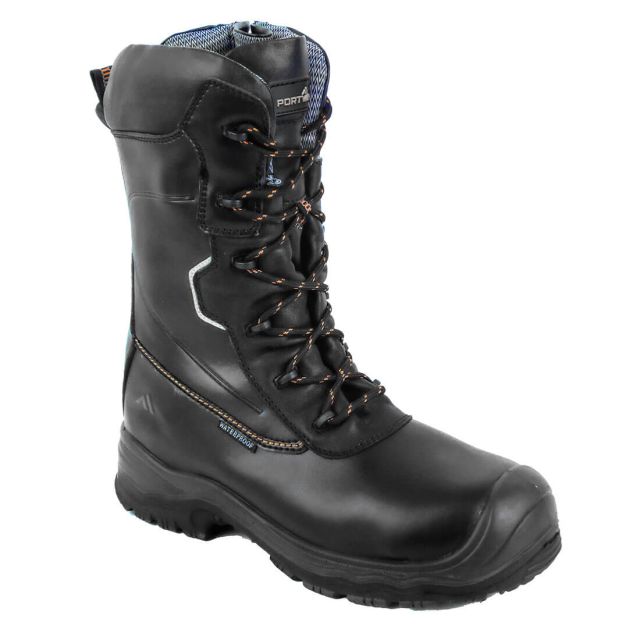
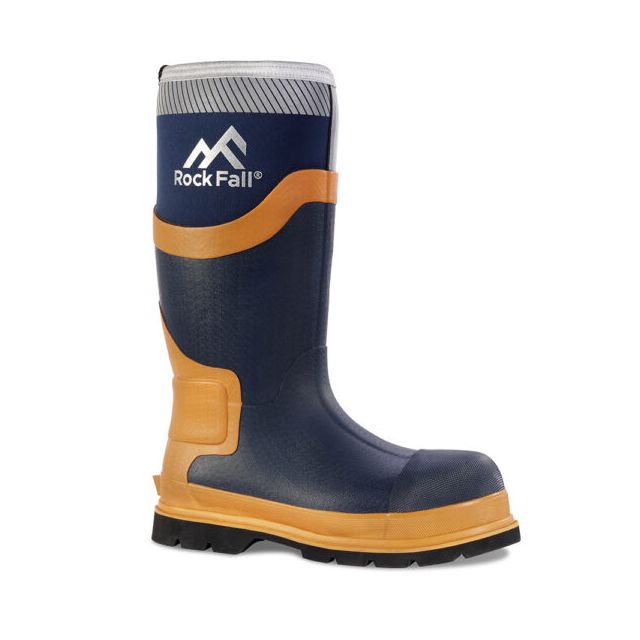
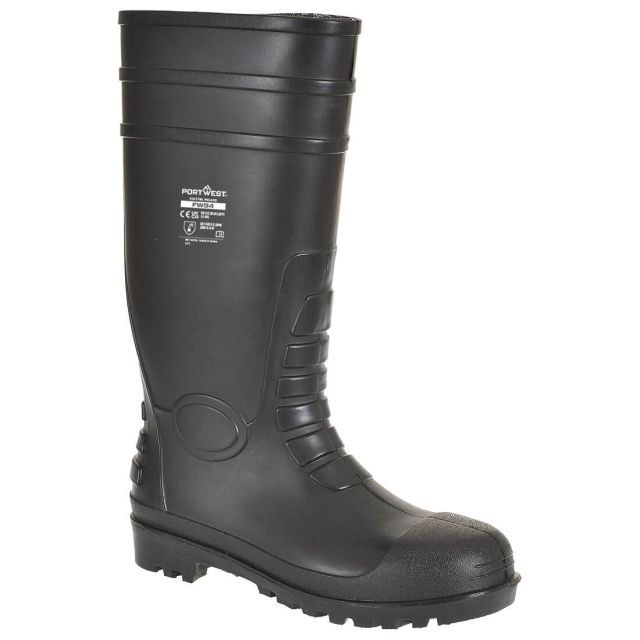
Protection features should not be overlooked. Steel or composite toe caps protect against dropped tools and materials, while penetration-resistant midsoles guard against sharp objects underfoot, such as debris or offcuts often found on groundworks sites.
Ankle support is another key factor. Uneven terrain and loose ground increase the risk of twists and sprains, so structured boots with adequate support help reduce injury during movement across the site.
Gloves
Protective work gloves must strike a balance between protection, grip, and dexterity. Groundworkers regularly handle wet materials, tools, and components, making grip a primary concern.
Grip-enhanced gloves, often with textured or coated palms, improve control when lifting pipes, handling tools, or working with slippery surfaces. This is particularly important in wet conditions where standard gloves may become ineffective.
Cut resistance is also relevant. Groundworkers frequently encounter sharp edges from materials such as pipes, fittings, or debris. Gloves with cut-resistant properties help reduce the risk of hand injuries without compromising usability.
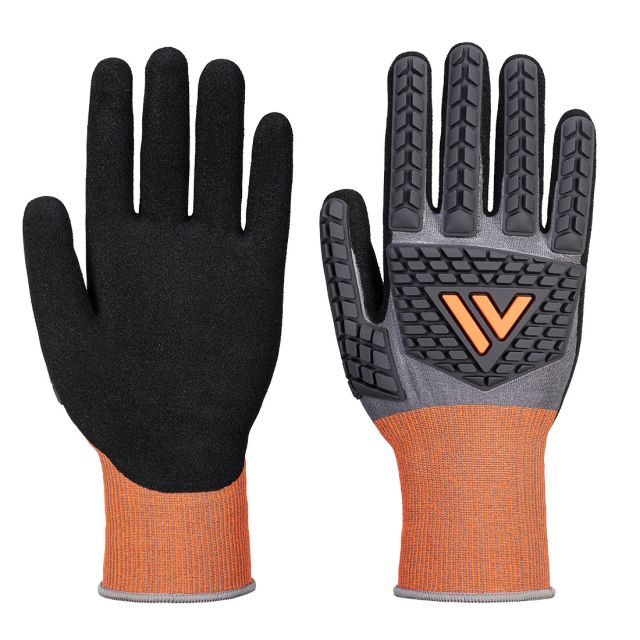
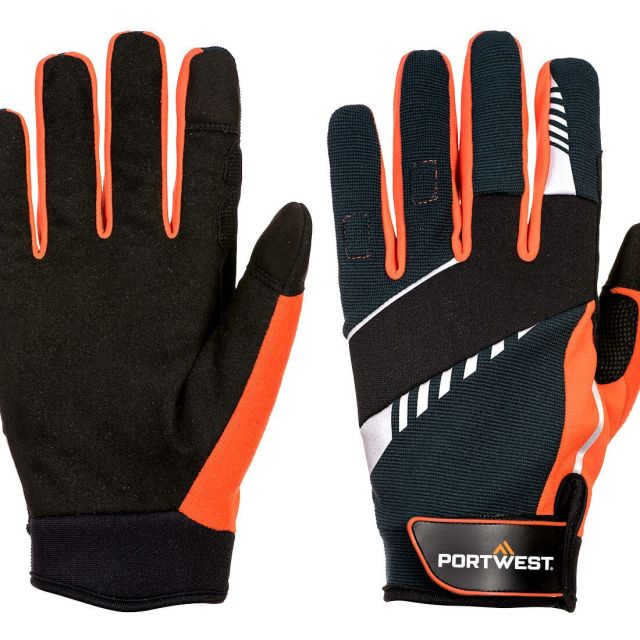
Water resistance plays a role in comfort and performance. Prolonged exposure to wet conditions can cause gloves to become saturated, reducing grip and increasing discomfort. Water-resistant or quick-drying materials help maintain performance throughout the working day.
Fit is critical. Gloves that are too loose reduce control, while overly tight gloves restrict movement and cause fatigue. A well-fitted glove ensures both safety and efficiency when carrying out repetitive or detailed tasks.
High-Visibility Clothing
High-visibility clothing (hi vis workwear) is essential in groundworks environments where multiple trades and machinery operate in close proximity.
Visibility is often reduced due to weather conditions such as rain, fog, or low light during early starts and late finishes. High-visibility garments ensure workers remain clearly identifiable in these environments, reducing the risk of accidents involving moving vehicles or plant equipment.
Garment choice should reflect site activity. On busy sites with heavy machinery, higher visibility classes may be required to ensure workers can be seen from greater distances. This is particularly relevant when working near excavators, dumpers, or delivery vehicles.
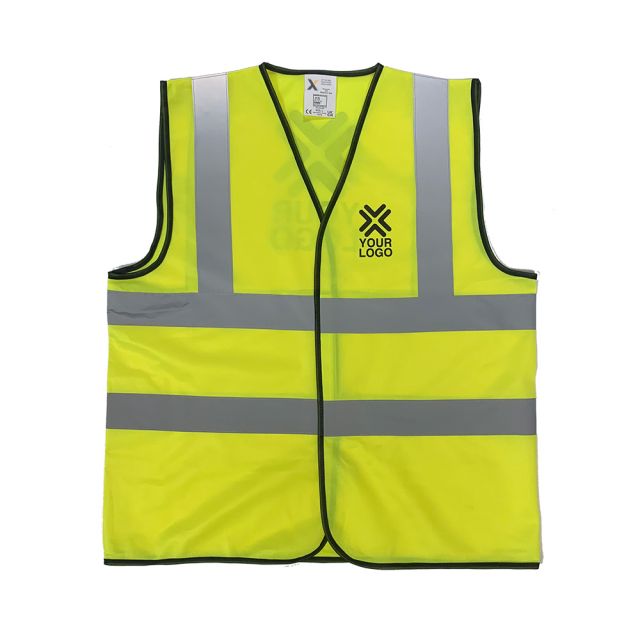
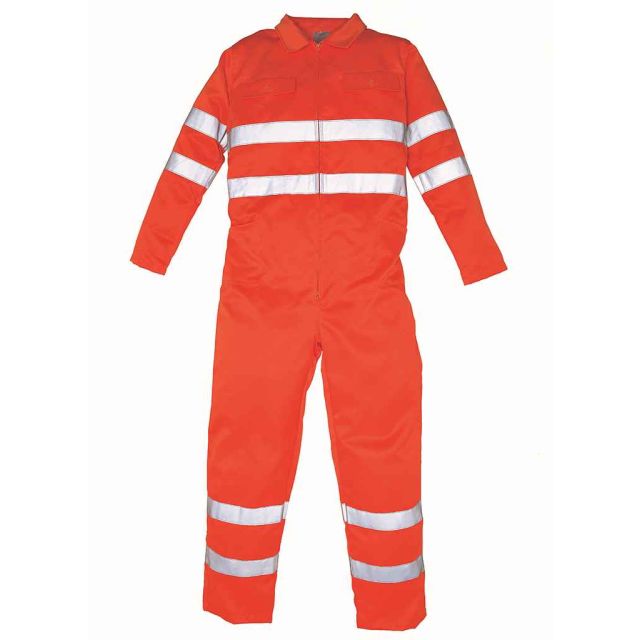
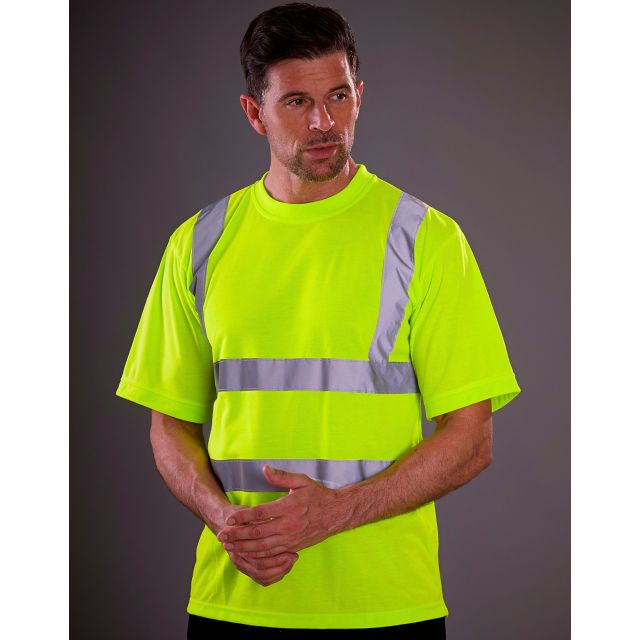
Durability is important. Groundworks environments are harsh, and hi-vis clothing is exposed to dirt, abrasion, and frequent washing. Garments should maintain their visibility performance over time, even after repeated use.
Compatibility with other PPE should also be considered. High-visibility clothing often needs to be worn over layers or waterproofs, so fit and sizing should allow for flexibility without restricting movement.
Weather Protection (Waterproofs, Layering)
Groundworkers are exposed to the elements for extended periods, making weather protection a key part of PPE selection.
Waterproof outer layers such as waterproof workwear are essential for keeping workers dry in persistent rain or when working near water-heavy tasks such as drainage installation. Effective waterproofs prevent water ingress while allowing moisture from inside to escape, helping maintain comfort.
Breathability is often overlooked but critical. Physical work generates heat, and non-breathable garments can lead to overheating and moisture build-up inside clothing. Breathable materials help regulate temperature and reduce discomfort during long shifts.
Layering provides flexibility. Conditions can change throughout the day, and a layered approach allows workers to adapt without needing to completely change clothing. A typical system includes:
- Base layer clothing to manage moisture
- A mid-layer for insulation
- An outer layer for protection against wind and rain
Durability and practicality should also be considered. Waterproofs used in groundworks must withstand abrasion, contact with equipment, and repeated movement without failing.
Choosing Workwear for Wet and Demanding Conditions
Groundworks workwear needs to perform consistently under pressure.
Durability
Workwear in groundworks environments is exposed to constant abrasion, dirt, and mechanical stress. Kneeling on rough surfaces, contact with aggregates, and repeated movement around equipment all contribute to wear.
Reinforced areas are particularly important. Knees, seat panels, and lower legs typically take the most impact, so garments with strengthened fabric in these zones will last significantly longer. This is especially relevant for tasks such as pipe laying or working in trenches where kneeling is frequent.
Seam construction also matters. Double or triple-stitched seams reduce the likelihood of splitting under strain, particularly when lifting or stretching. Weak seams often fail before the fabric itself.
Frequent washing is another factor. Workwear must maintain its structure and performance after repeated cleaning cycles, as groundworks environments quickly lead to heavy soiling.
Water resistance
Groundworkers regularly operate in wet conditions, whether from weather exposure or task-related water contact such as drainage installation.
Water-resistant or waterproof fabrics help prevent saturation, which can otherwise lead to discomfort, reduced mobility, and increased fatigue. Once clothing becomes waterlogged, it becomes heavier and more restrictive, directly impacting productivity.
It's important to distinguish between water-resistant and fully waterproof garments. Water-resistant clothing may handle light rain or splashes, but for prolonged exposure—such as working in trenches or standing water—fully waterproof outer layers are more appropriate.
Sealed seams and protective outer coatings improve performance in persistent wet conditions. Without these, water can penetrate stitching points over time.
Breathability should be considered alongside water resistance. Fully sealed garments without ventilation can trap heat and moisture, leading to discomfort during physically demanding tasks.
Flexibility and mobility
Groundworks tasks involve constant movement, including bending, kneeling, climbing in and out of excavations, and lifting materials.
Workwear must allow a full range of motion without restriction. Stretch fabrics or articulated designs improve flexibility, particularly in high-movement areas such as knees and hips. This reduces strain during repetitive tasks and supports more efficient working.
Poorly designed garments can restrict movement, forcing workers to adjust their posture or technique. Over time, this can contribute to fatigue and increase the risk of musculoskeletal issues.
Fit plays a major role. Workwear should be close enough to avoid snagging on equipment but not so tight that it limits movement. Adjustable features, such as waistbands or cuffs, can help achieve a more secure and practical fit.
Mobility also links directly to safety. In environments with uneven ground or moving machinery, the ability to move freely and react quickly is essential.
Layering approach
Layering is the most effective way to manage changing conditions on groundworks sites.
A structured system allows workers to adapt to temperature shifts, weather changes, and varying activity levels throughout the day.
- Base layer: Designed to manage moisture by drawing sweat away from the skin. This helps keep the body dry and reduces discomfort during physical work.
- Mid-layer: Provides insulation by retaining body heat. This layer can be adjusted depending on temperature, allowing workers to add or remove warmth as needed.
- Outer layer: Protects against external elements such as wind, rain, and debris. This layer should be both durable and weather-resistant while maintaining breathability.
This approach prevents overheating during high activity and avoids excessive cooling during periods of lower movement. It also reduces reliance on a single heavy garment, which can be impractical in variable UK weather conditions.
Layering also improves efficiency. Instead of stopping work to change completely, workers can quickly adjust individual layers to maintain comfort and performance throughout the shift.
Planning Work Around Site Conditions
Effective PPE selection starts with understanding the environment.
Ground conditions, weather, and task type should all influence what's worn on site. For example, drainage work often involves prolonged exposure to water and confined trench spaces, requiring more robust waterproofing and grip.
Teams should coordinate PPE choices with the task at hand, whether that's excavation, pipe installation, or foundation work. A clear understanding of how drainage systems are structured can help anticipate where water exposure, confined access, and handling risks will be highest.
Planning ahead reduces reactive decisions and helps maintain consistent safety standards across the site.
Common Mistakes When Selecting PPE for Groundworks
Wrong footwear for wet ground
Standard safety boots without adequate grip or water resistance quickly become unsafe in muddy conditions.
Ignoring weather exposure
Underestimating rain and cold leads to discomfort, reduced concentration, and lower productivity.
Poor fit or mobility issues
Ill-fitting PPE restricts movement and increases fatigue, particularly during repetitive or physically demanding tasks.
Conclusion
Groundworks environments are demanding by nature. Wet conditions, uneven terrain, and manual handling all place pressure on both workers and equipment.
Selecting the right PPE and workwear isn't about over-specifying gear. It's about matching protection to the realities of the site. When PPE aligns with the environment and the task, it supports safer, more efficient work from the ground up.

- Groundworks PPE & Workwear Guide (UK) - 13th April 2026
- Why Embroidery Looks Better on Polos Than T-Shirts – And What That Means for Your Brand - 29th December 2025
- 6 Visual Cues That Shape Workplace Culture - 23rd September 2025