


Need some advice?
Hi-Vis Fleece Jackets: Safety, Fit and Your Logo
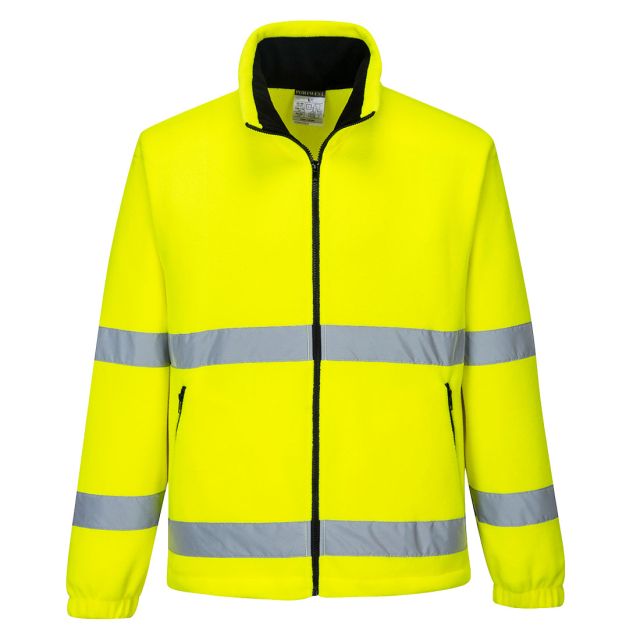
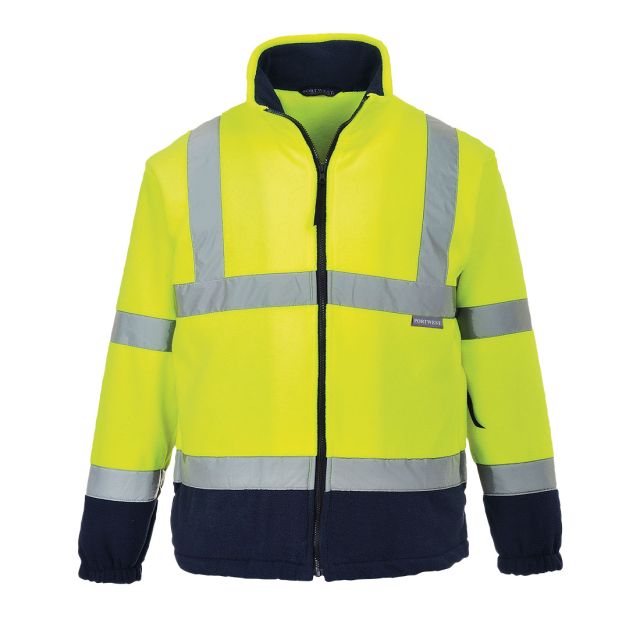
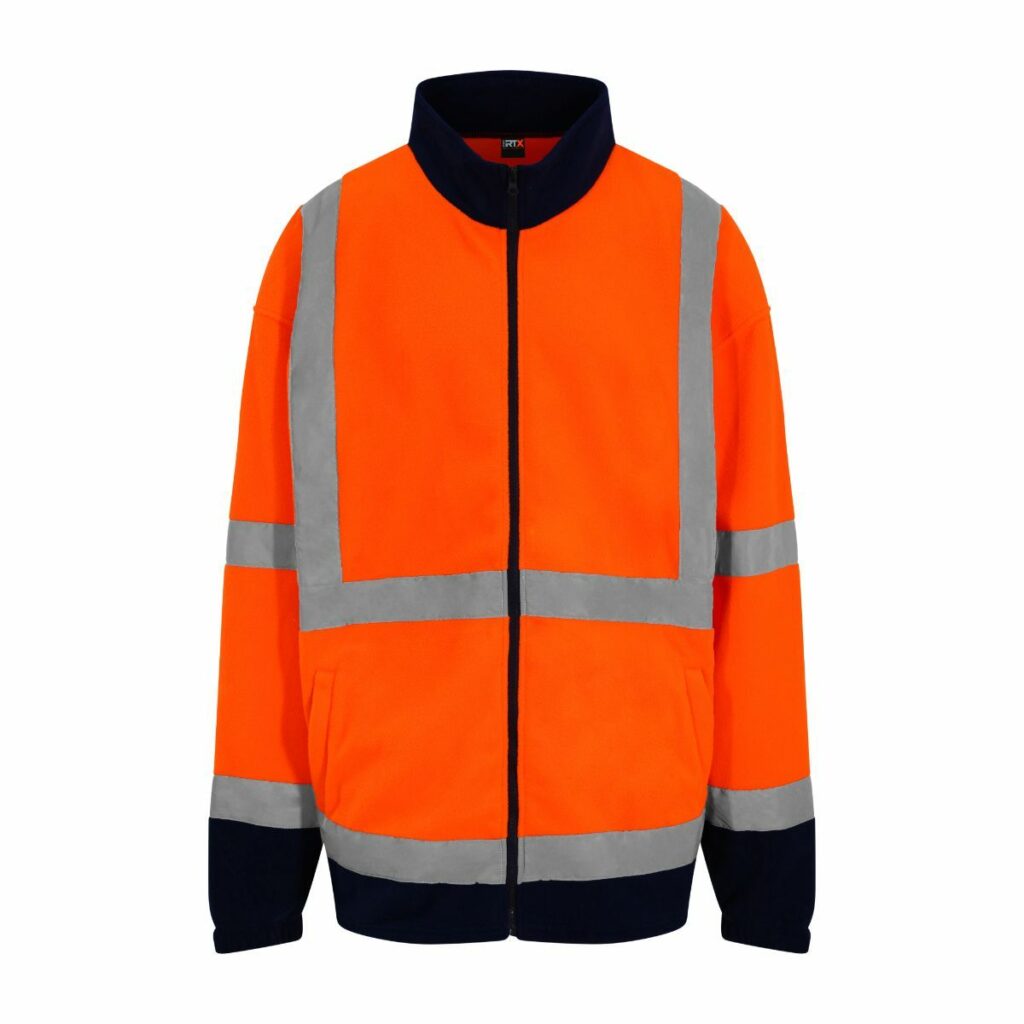
Hi-vis fleece jackets can provide an insulating layer where workers also need high-visibility clothing. The right garment needs to suit the task, fit comfortably with the rest of the uniform, and provide the required visibility performance. Adding your logo is a further decision to assess alongside those requirements.
This guide explains how to choose hi-vis fleece for a workforce, what to consider before decoration, and how fit, layering and care affect its use.
- Page Contents
- Safety and visibility
- Adding your logo
- Choosing the right garment
- Ordering with XAMAX®
- Your next step
The Importance of Hi Vis Fleece Jackets for Safety
Visibility in Workplaces with Moving Vehicles
Where a risk assessment identifies the need for high-visibility clothing, the garment helps make the wearer conspicuous. That can matter in yards, loading areas and other workplaces with moving vehicles. Clothing supports the workplace's other risk controls, including safe traffic arrangements and separation of people and vehicles.
If you're deciding between a fleece, vest or outer jacket, start with the hi-vis clothing buying guide to consider the roles those garments need to fulfil.
Fluorescent background material contributes to conspicuity in daylight. Retroreflective material returns incoming light towards its source, helping the wearer stand out under illumination such as vehicle headlights in darkness. Bright colour alone doesn't establish the visibility performance needed for the job.
Select the Required Protection
Start with the risk assessment and any applicable site or contract specification. Where EN ISO 20471 is required, check the declared class for the exact garment, colour, size and configuration. A fleece being described as "hi-vis" doesn't make it suitable for every task.
Use the comparison of Class 1, Class 2 and Class 3 hi-vis clothing for the classification overview, then confirm the actual product's declared performance against the work requirements.
Our guide to EN ISO 20471 and hi-vis clothing standards explains the product requirements and the separate responsibilities involved in selecting and using PPE. HSE's PPE selection guidance also covers suitability for the task, fit and compatibility with other equipment.
Compare branded hi-vis clothing against that specification, then confirm that the selected fleece and proposed decoration meet the brief.
Adding a Logo to Hi-Vis Fleece
Combining Visibility with Team Identification
A company logo can help identify your workforce on site and provide a consistent uniform appearance. Its method, size and position need to be considered with the garment's protective requirements.
Ask the supplier to check the proposed decoration against the manufacturer's current instructions and permitted areas for the actual style and sizes. A logo can cover fluorescent material or affect other protective features. Keep decoration off the retroreflective strips, and confirm the required performance of the finished garment before production.
Embroidery Suitability and Practicality
Fleece can be embroidered, but its pile, stretch and construction affect the result. Small lettering can disappear into a raised surface, while seams and pockets can limit access to a proposed position. There isn't one embroidery size or layout that suits every fleece.
Use our fleece embroidery design guide when preparing the logo and artwork brief. For protective clothing, garment-specific decoration checks remain essential whether embroidery or printing is proposed.
Durability also depends on the garment's use and care. Follow the manufacturer's instructions and any requirements for the finished decoration. A logo or a digital visual doesn't establish that the garment will remain suitable indefinitely.
Choosing the Right Hi Vis Fleece Jacket for Your Team
Logo Size, Position and Colour
Provide all proposed logos, names and text, with their intended dimensions and positions. A left-chest or sleeve position may be possible on a particular garment, but neither should be treated as automatically suitable across a range.
Consider contrast and readability at the finished embroidery size. If fine detail or small lettering won’t reproduce clearly, discuss an approved simplified version, a different size or another suitable garment. Agree any change to your company's logo before production rather than assuming a single-colour version is acceptable.
Balancing Warmth, Fit and Function
Choose the fleece as part of the complete outfit. Try it over the uniform normally worn underneath and, where required, beneath the intended outer jacket. Check movement, fastening and bulk through the shoulders, sleeves and collar.
Our ultimate guide to fleece jackets explains fabric construction, weight, insulation and care. A heavier fleece isn't automatically the better choice for every role, and insulation alone doesn't establish protection from wind, rain, flame or other hazards.
If recycled content is part of the purchasing brief, use our guide to sustainable fleece jackets to consider the material evidence alongside garment suitability. The selected fleece still needs to meet the required protective specification.
Check that another layer won't obscure the visible materials needed for the task. The right certified garment combination can achieve a higher class, but the combined performance must be supported by the manufacturer's documentation. Use the specified garments, sizes and configuration, and reassess the remaining clothing for hi-vis compliance if a layer is removed.
Keep the fleece clean and inspect it as instructed. Follow any stated maximum cleaning-cycle or service-life limit, and replace sooner if its condition means it can no longer provide the required performance. There isn't a single replacement interval that suits every hi-vis fleece.
Use the hi-vis clothing replacement guide, together with the manufacturer's instructions, when planning inspection and replacement arrangements.
Ordering Hi-Vis Fleece Jackets with XAMAX®
Start with a Complete Garment Brief
XAMAX® is a BSIF Registered Safety Supplier. Tell us where the clothing will be worn and provide the required standard, class and any site specification. Include the other layers or PPE that affect selection, along with the intended laundry process.
For a wider uniform order, our work-uniform fleece guide helps you organise the garment, size and quantity brief. Keep any required protective-clothing specifications alongside that information.
Confirm the Garment and Logo Together
Send the garment codes, colours and quantities by size, your logo file, the proposed dimensions and positions, and the required delivery date. This gives us the information needed to assess the garments and decoration as one order.
For a logo we're embroidering for the first time, we'll provide a stitched swatch for approval. Use it to review the embroidery result. A digital garment visual helps review the proposed layout; it serves a different purpose and doesn’t establish PPE conformity.
Agree the garment specification, permitted decoration and finished order cost before placing the order. Avoid carrying a logo layout across different hi-vis styles without checking each one.
Your Next Step
A suitable hi-vis fleece brings together the required visibility performance, useful insulation and a logo that works with the garment. Start with the task and protection requirements, then confirm fit, layers, care and decoration.
Compare branded hi-vis clothing and use the quote form on this page if you need help checking your fleece selection or logo brief.

Latest posts by Andy (see all)
- What are the Most Common Construction Site Accidents? - 25th April 2026
- Custom T-Shirts for Businesses: Bulk Ordering Made Simple - 21st April 2026
- Bulk T-Shirt Pricing Explained: 50 vs 150 vs 500 vs 1000 - 21st April 2026