
Need some advice?
How to Choose Work Trousers for Your Team
Choosing work trousers for a team starts with what each person does during the working day. A warehouse picker, a service engineer and a receptionist may need different pockets, cuts and care instructions, even when their clothing follows the same company colour scheme.
Use our work trouser range to build a shortlist, then compare the garments against the tasks, fit and cleaning requirements below. Agree those details before collecting everyone's sizes and placing the full order.
- Page Contents
- Match the trousers to the work
- Choose a trouser type
- Compare fabric and construction
- Check fit across your team
- Confirm any protective requirements
- Plan your logo and uniform
- Plan care and issue quantities
- Build your trouser order
Match the Trousers to the Work
Write down the movements, conditions and clothing rules for each role. Include tasks that take up a small but important part of the day, such as kneeling to inspect equipment or leaving a vehicle to make deliveries.
| Role or working environment | What to assess | Useful selection checks |
|---|---|---|
| Warehouse and logistics | Walking, picking, bending and handling stock | Movement through the seat and knees; secure pockets; fastenings that suit the tasks |
| Engineering and maintenance | Reaching, crouching, kneeling and carrying small tools | Pocket layout, construction at wear points and any required knee-pad combination |
| Mechanics and workshops | Working around vehicles, equipment, oils and dirt | Freedom to crouch and reach; secure storage; a suitable cleaning routine |
| Drivers and delivery teams | Long periods seated, repeated vehicle entry and unloading | Comfortable waistband and seat; pocket contents when sitting; clothing for work outside the cab |
| Security and facilities | Desk duties, walking, patrols and changing conditions | Required presentation, movement, secure pockets and compatibility with outer layers |
| Office, reception and customer service | Sitting, walking and representing the business | Smart trouser or chino styles; suitable cuts and leg lengths; manageable everyday care |
| Kitchens and hospitality | Bending, lifting and working in warm indoor areas | Fit, waistband comfort and the workplace's garment and laundry requirements |
| Healthcare and care settings | Frequent movement, uniform identification and repeated cleaning | Available cuts, required colours and compatibility with the employer's cleaning process |
One trouser model may suit several roles. Where requirements differ, coordinate the colour and presentation while choosing a suitable garment for each group.
Choose a Trouser Type
Everyday Work, Cargo and Holster Trousers
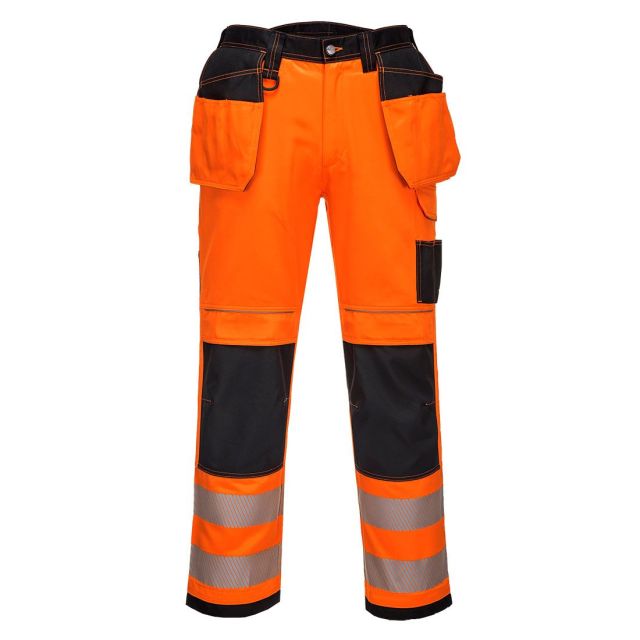
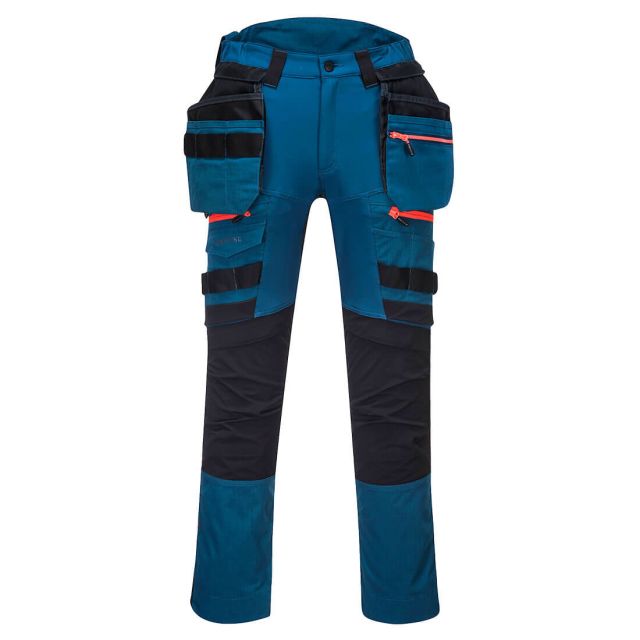
Cargo trousers provide additional pocket storage. Holster trousers can offer accessible storage for frequently used items. Compare the actual pocket layout with what staff need to carry.
Try the shortlist with those items in place. A useful tool pocket for a standing task may become bulky when the wearer sits or crouches. Check closures, access and whether the pockets interfere with other equipment.
Smart and Role-Specific Uniform Trousers
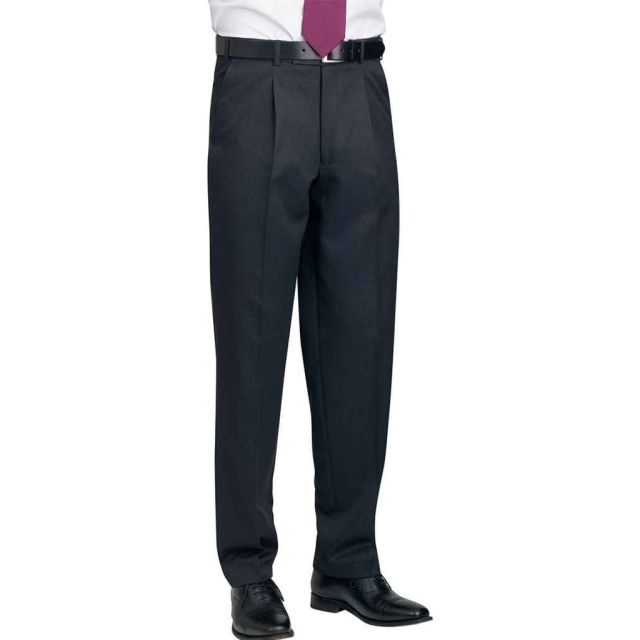
For office, reception and other customer-facing roles, compare suitable office trousers, including the available smart trouser and chino styles. Agree the required appearance alongside seated comfort, movement and care.
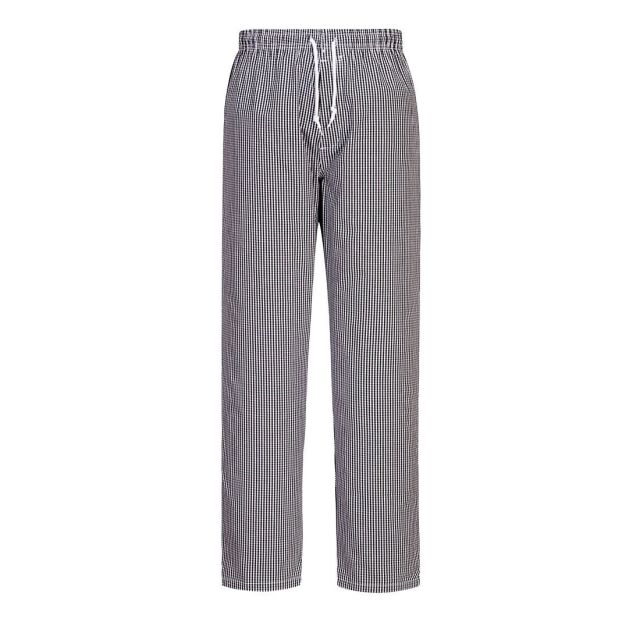
Chef trousers and healthcare trousers provide further starting points for those workplaces. Confirm the particular model against the role and the organisation's clothing requirements.
Weather Options and Work Shorts
For regular outside work, compare everyday trousers with suitable weatherproof trousers. Establish whether the garment replaces the normal work trouser or is an overtrouser worn on top. Allow room for the intended layers and check how it works with footwear.
Workwear shorts can be an option where the tasks and workplace rules allow them. Decide whether the required leg coverage and protection permit shorts before comparing pockets, fit and fabric.
Our outdoor work clothing guide covers the wider clothing list when trousers need to work with jackets and other layers.
When a Different Garment Format Fits the Brief
If the brief calls for clothing above the waist as well, compare the complete outfit with bib-and-brace overalls or a one-piece coverall. Our overalls and coveralls buying guide explains those formats and their ordering checks.
Compare Fabric and Construction
Read the fabric composition, weight and care instructions together. Fabric weight in g/m² (gsm) describes the material's mass per area; it does not, by itself, establish durability or protective performance.
Cotton, polyester blends and stretch fabrics have different characteristics. Ask what the selected garment needs to do, then assess the finished trouser rather than choosing from the fibre name alone.
For a useful comparison, check:
- Movement: whether stretch is provided throughout the garment or only in particular panels.
- Construction: seams, pocket attachments, belt loops, fastenings and reinforcement at likely wear points.
- Workplace conditions: the actual claims for water resistance, weather protection or other required performance.
- Care: whether the washing and drying instructions fit the proposed routine.
"Workwear" is also used as a fashion label. Check the specification against the work rather than relying on the name. Our workwear quality guide explains the fabric, construction and care checks in more detail.
Check Fit Across Your Team
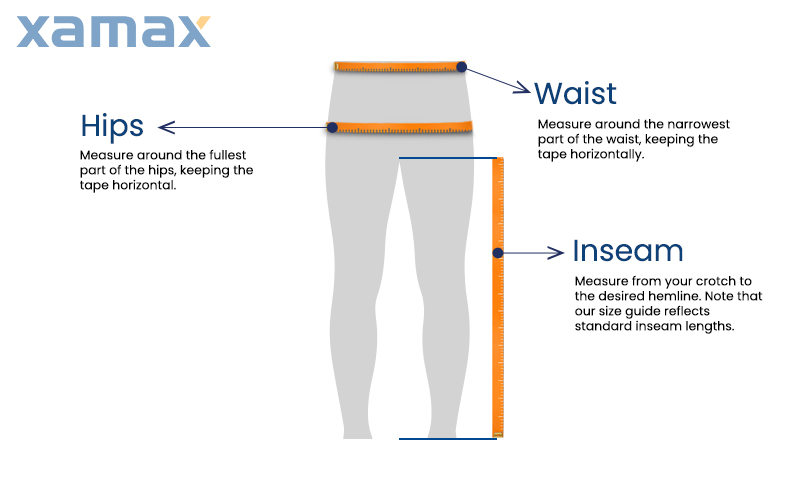
Collect measurements using the selected brand's size guide. A size worn in another brand or a different trouser cut is only a starting point. Check the available waist, hip and leg-length information before allocating sizes.
Include the available women's, men's or unisex cuts in the shortlist according to the fit each wearer needs. A coordinated uniform can use different cuts; the same nominal size does not guarantee the same shape or fit.
Trial the trousers with the normal footwear, belt, layers and equipment. Ask wearers to carry out the relevant movements:
| Fit check | What to look for |
|---|---|
| Sitting or driving | The waistband, seat and loaded pockets remain comfortable |
| Bending and reaching | The garment allows the required movement without pulling excessively |
| Crouching or stepping up | The seat, thighs and knees allow the task |
| Walking in normal footwear | The leg length and hem position suit the wearer and the garment's instructions |
| Using tools or equipment | Pockets, fastenings and other clothing work together |
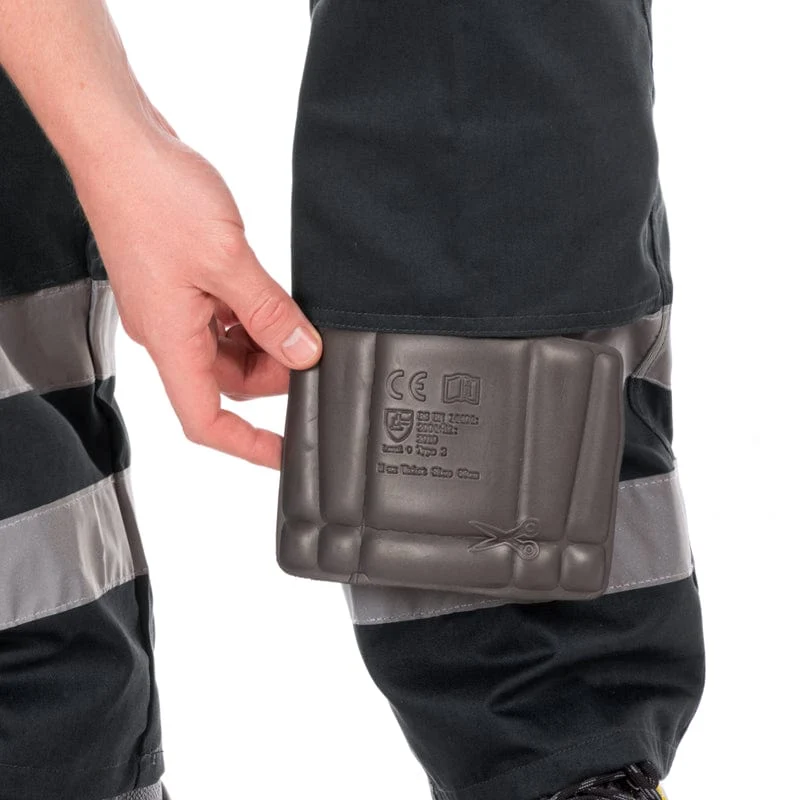
| Kneeling, where required | The specified pad stays correctly positioned in the intended trouser pocket |
Record the agreed product, cut, waist and leg length for each wearer. Check proposed alterations on protective clothing against the manufacturer's instructions before proceeding.
Confirm Any Protective Requirements
Terms such as "cargo", "reinforced" or "work trouser" describe features or garment types. They do not establish protection against every workplace hazard.
Where protective clothing is required, use the assessed task requirements to check the exact model's declared performance and instructions. HSE's PPE selection guidance covers suitability, wearer fit and compatibility with other equipment.
For hi-vis trousers, check the declared class for the actual garment and any specified outfit combination. Our hi-vis clothing classes guide explains that distinction.
For kneeling protection, confirm the specified trouser and pad combination, its fit and its positioning. A reinforced knee panel or an empty knee-pad pocket does not establish the performance of a complete knee-protection system.
Keep requirements such as flame resistance, welding or chainsaw protection explicit in the brief. General work trousers should not be substituted for a specified protective garment.
Plan Your Logo and Uniform
Agree how the trousers will coordinate with the rest of the uniform. Consistent colours and suitable accompanying tops may provide the required company identity without putting a logo on every garment.
For suitable non-FR trousers supplied by XAMAX®, confirm the available decoration method and position before choosing the model on that basis. Pockets, seams, stretch panels and linings can affect the application. XAMAX® does not print onto flame-resistant clothing.
A Free Digital Sample helps you review the proposed logo appearance and position. Initial embroidery setup also includes a physical stitched sample for approval. Garment fit still needs a separate wearer trial.
Plan Care and Issue Quantities
Choose trousers that fit the cleaning process you can provide. Confirm the washing, drying and ironing instructions, together with any additional care requirements for decoration or protective features.
Plan issue quantities around shifts, how quickly garments become soiled, laundry turnaround and access to clean replacements. For outside work, include the time needed to dry wet clothing. Our cold-weather workwear checklist covers the wider winter kit and spare-clothing decisions.
For example, if your issue policy provides two pairs to each of ten wearers, the base requirement is 20 pairs. Add any agreed spares separately and allocate the order by the actual size mix. Two pairs is an example, not a standard allowance for every role.
Compare the finished order price for the same garment specification, quantities and any approved decoration. Record product codes and colours for repeat orders, and ask how alternatives will be assessed if a model changes or becomes unavailable.
Build Your Trouser Order
Turn the shortlist into a brief that can be checked and quoted consistently:
| Include in the brief | Details to record |
|---|---|
| Roles and conditions | Tasks, movements, indoor/outdoor work and required presentation |
| Required protection | The assessed requirements and any specified garment combinations |
| Garment shortlist | Product codes, colours and available cuts |
| Wearer fit | Agreed waist/hip sizing and leg lengths following the trial |
| Quantities | Pairs by size, issue allowance and separately identified spares |
| Decoration, if suitable | Approved artwork, position, dimensions and any wearer variations |
| Care | Washing/drying process and relevant garment instructions |
| Timing and replacements | Required date, delivery arrangements and repeat-order needs |
Compare the work trouser range, then contact XAMAX® by phone or message to discuss the shortlist and finished team order. If you are coordinating several garment types, our company uniform planning guide covers the wider order brief.

Latest posts by Andy (see all)
- How to Choose Work Trousers for Your Team - 20th November 2026
- How to Add Hoodies to Your Band Merch Range - 16th November 2026
- Where to Put Your Logo on a Hoodie - 16th November 2026