
Is Your Logo Suitable for Embroidered Workwear?
Embroidery can give your team’s workwear a stitched logo finish, but not every design will reproduce well at every size. Before you choose it, check the detail in your logo, the garment fabric and where the logo will sit.
This guide explains what to check and what to send us so we can help you choose suitable workwear and prepare your order.
- Page Contents
- What is Embroidery?
- What Garments can I Embroider?
- When is Embroidery Best Used?
- How Long Does Embroidery Last?
- What do I Need to Consider?
What is Embroidery?
Machine embroidery stitches your logo or wording into the garment using coloured threads. Your artwork is converted into an embroidery file that tells the machine where to place the stitches. This preparation is called digitising.
The stitch count depends on the design, its size and how it’s prepared. Send us the clearest artwork you have and the intended logo size. You don’t need to supply a machine embroidery file yourself.

What Garments can I Embroider?
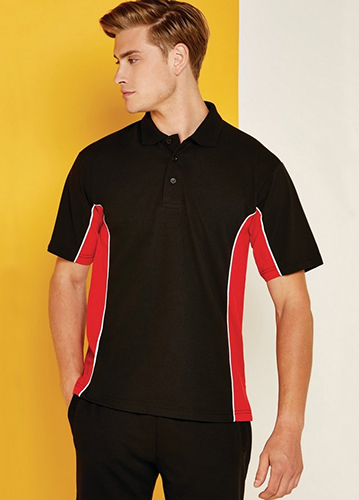
For a collared staff uniform, compare embroidered polo shirts and check the fabric, fit and care instructions against the work your team does.
If the uniform also needs a warmer layer, compare embroidered fleeces. The same logo may need a different embroidery setup on each fabric to keep the detail clear.
Garment construction, weight, stretch and logo position all affect suitability. A lining or contrast panel doesn’t give you a universal rule for decoration. Ask us to check the specific garment and proposed logo together.
<p>For waterproof, hi-vis or other protective clothing, confirm the permitted decoration method and position against the garment manufacturer's guidance before ordering. Don’t assume either embroidery or print is suitable everywhere.

When is Embroidery Best Used?
Embroidery is worth considering for chest logos, names and other designs where a stitched finish suits the uniform. Check these details before choosing it:
- Lettering and fine lines: small text or narrow gaps may need enlarging or simplifying to stay readable at the finished size.
- Gradients and photographs: these may need adapting into a simpler stitched design. If keeping that detail is essential, ask us whether print would suit the artwork and garment better.
- Large filled areas: a dense design can feel heavy on a light garment. Changing the logo size, design or decoration method may be more practical.
- Colour and contrast: check the thread colour references against the garment colour so the logo remains clear.
Choose the method for the design and the way the clothing will be used. Embroidery can suit an event uniform, and print can suit everyday workwear; neither method is limited to one type of order.

How Long Does Embroidery Last?
Embroidery can be a durable choice for regularly worn uniforms. The result depends on the garment, thread, stitch design and how the clothing is used and cared for.
Tell us if your team needs a particular wash temperature or laundry process before choosing the garment and logo method. Follow the care instructions supplied for the finished clothing.
XAMAX® guarantee your embroidery will outlast your garment.

What do I Need to Consider?
Before you order, you can use our free digital sample request form and send us:
- Your logo file, including any alternative versions or colour references.
- The garment codes and colours you’re considering.
- The required logo position and approximate finished size.
- Quantities by garment size, including any names or role variations.
- Washing requirements, required delivery date and the person approving the artwork
Check the artwork proof for wording, layout, logo size, position and colour references before approval. A digital visual helps you review appearance and placement; it doesn’t show how stitches will behave on the fabric.
Start with polo shirts with your logo, then ask us to confirm the garment and embroidery specification and the finished order cost.

- The Benefits of Custom Embroidery and Printing on Overalls and Coveralls - 4th September 2024
- Fleece Embroidery: Logo Placement and Artwork Guide - 20th August 2024
- Why Custom Embroidery on Fleece Jackets is a Smart Choice for Your Brand - 20th August 2024