
The week 5th Feb - 11th Feb, 2022 marks Tinnitus Week in the UK.
Most of us have left a nightclub or concert with a dull ringing in our ears that usually disappears before the hangover. Or maybe you've had a particularly loud day at work with hammers banging and grinders grinding and you notice you can't quite find silence when you're trying to sleep that night.
That's Tinnitus, but usually only temporary.
But if you every day at work is particularly loud, that silence you crave may become a distant memory. For some, tinnitus is a permanent problem that negatively impacts everyday life: affecting sleep, increasing stress, decreasing productivity, ruining careers.
Read on to learn more about Tinnitus, what it's like to live with, the causes, prevention and a potential cure.
- Page Contents
- What's Tinnitus?
- What Causes Tinnitus?
- Living With Tinnitus
- Is Tinnitus Preventable?
- Is There A Cure?
- How We Can Help
What's Tinnitus?
The word Tinnitus derives from the latin Tinnire: Which means To Ring, Jingle. Every day's a school day!
Tinnitus is the perception of sounds or noises in the ear that do not come from a source externally.
There are actually 2 kinds of tinnitus.
- Subjective tinnitus: The most common type of tinnitus refers to sounds only the sufferer can hear. It can be caused by problems in your outer, middle or inner ear and by problems with auditory nerves or the part of your brain that interprets nerve signals as sound (auditory pathways).
- Objective tinnitus: A very rare type of tinnitus that your doctor can also hear during an examination. It may be caused by a problem with blood vessels, a bone condition or muscle contractions in the middle ear.
In the case of subjective tinnitus, it's important to understand that sufferers are not "hearing noises" but "perceiving noises". Anyone living with the condition may suffer from noises such as:
- ringing
- hissing
- buzzing
- roaring
- humming
- pulsating
- whistling
The sensation can be constant or intermittent, it can fluctuate in volume, pitch and even overlay sounds.
What Causes Tinnitus?
Ringing in the ears is a symptom, not an illness, that's brought about by an underlying condition in some part of the sufferer's auditory system.
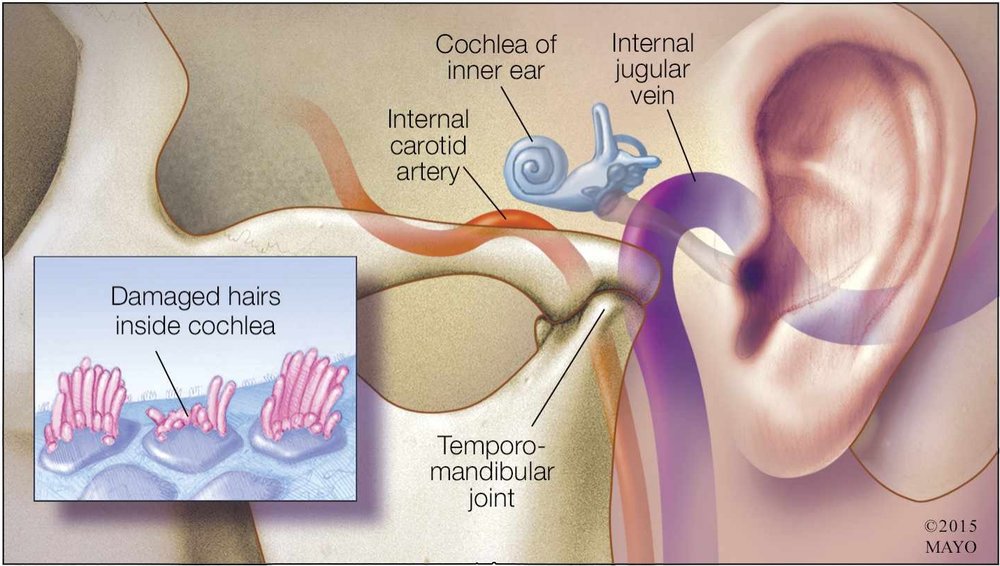
Those underlying conditions could be temporary or permanent damage caused by an infection or injury. High volume sound, either sudden or constant, can cause injury to the sensitive middle or inner ear.
Is Tinnitus Preventable?
It really can be prevented, especially in the cases of tinnitus caused by loud noises and sound. Ear defenders and ear plugs help cut the decibel level reaching your ears to safe limits. Which is why XAMAX®, a BSiF Registered Safety Supplier and specialists in PPE, is writing about it.
As far as any industrial causes of tinnitus go, you can prevent it by using hearing protection. It's important to choose the correct hearing PPE for your job tasks and environment.
That is what the British Tinnitus Association's "Plug 'em" campaign is all about - and we absolutely support them.
Here are a few options to Plug 'em with, or indeed, to Cover 'em instead. As a BSiF Registered Safety Supplier, you can be sure that any hearing protection you buy from XAMAX® is fully compliant with all relevant workplace legal standards.
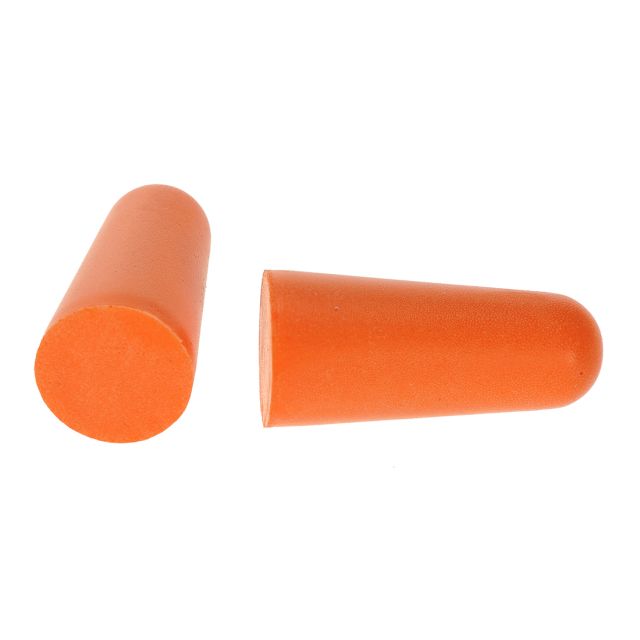
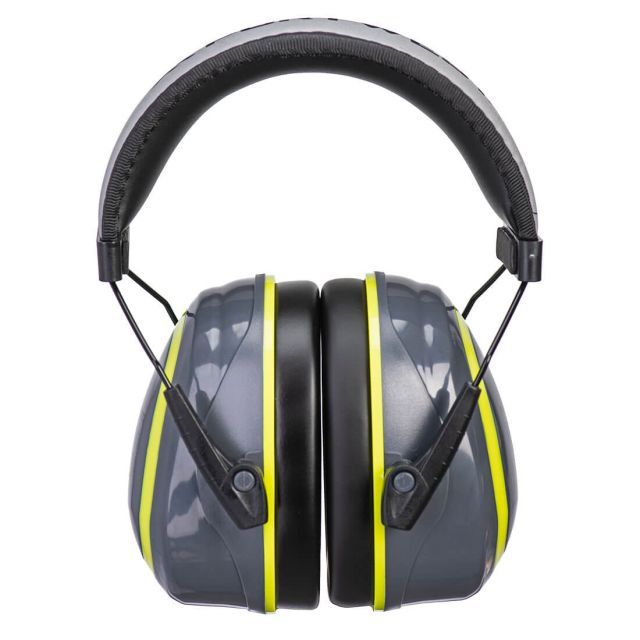
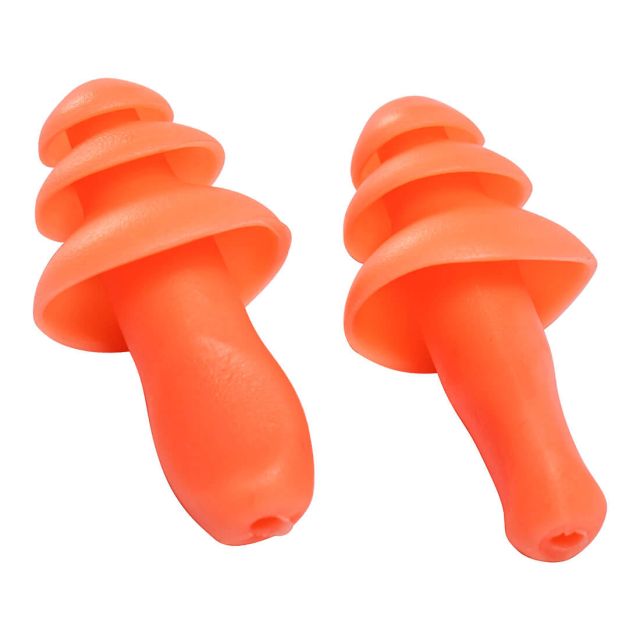
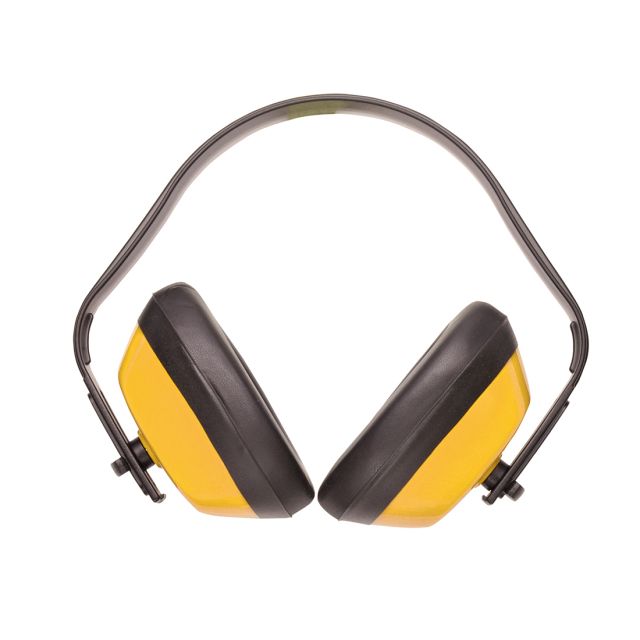
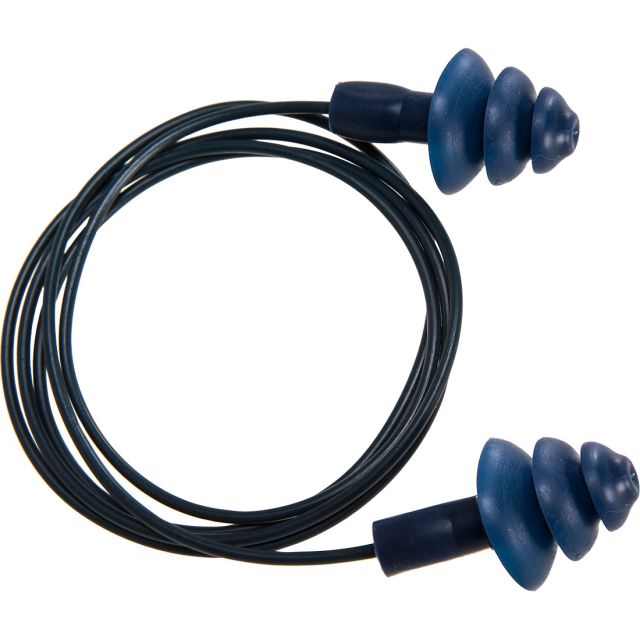
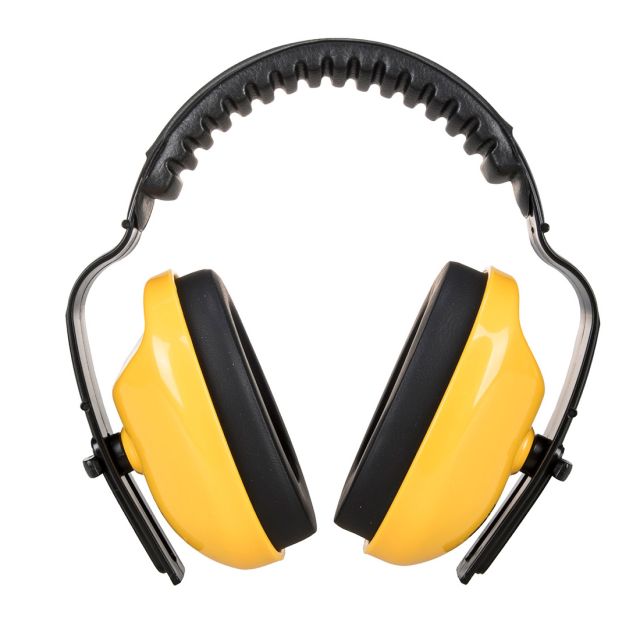
How to determine the right hearing PPE is not rocket science. There are simple methods to choosing the right hearing protection contained in this article. Follow the simple steps and you will be doing everything you can to avoid lifelong suffering of tinnitus.
What's It Like Living With Tinnitus?
The British Tinnitus Association have created a few short videos with sufferers to help raise awareness of the issue.
Steve's Story
Louise's Story
Arthur's Story
Is There A Cure For Tinnitus?
Not yet, but the British Tinnitus Association are working hard on it. It's down to their work that we have a Tinnitus Week at all. The British Tinnitus Association conduct research into this condition and offer advice and support to sufferers.
There's no need to suffer in silence - if you have tinnitus, the British Tinnitus Association are there to help.
If you have a sudden onset of tinnitus that you cannot explain, you should tell your GP as soon as possible. The NHS advises that you can improve the symptoms if you try to relax, breath deeply, maybe try yoga and work on a better quality of sleep.
How Can We Help?
XAMAX® cannot help you if you already suffer from tinnitus, but we can help you prevent it or avoid making it worse through work.
We offer many hearing protection PPE products that are designed for various job roles, situations and environments - all guaranteed to meet EN 352-1: 2002, EN 352-2: 2002, EN 352-3: 2002 or EN 458:2004 (whichever is applicable).
Preventing tinnitus and hearing loss caused by workplace activities is easy, just give us a ring (no pun intended): 0333 920 3734
The week 5th Feb – 11th Feb, 2022 marks Tinnitus Week in the UK. Most of us have left a nightclub or concert with a dull ringing in our ears that usually disappears before the hangover. Or maybe you’ve had a particularly loud day at work with hammers banging and grinders grinding and you notice […]
In a noisy work environment, having the correct PPE to protect your hearing is essential. There are several consequences if you do not have the right equipment: Tinnitus, Acoustic Trauma, Temporary Hearing Loss, Industrial/Occupational Deafness, even Complete Hearing Loss
How do you choose the right hearing protection PPE for your particular industry?
- Page Contents
- Types of Hearing Protection PPE
- Does Your Hearing PPE Meet Safety Standards?
- Choose the Protection that Meets Your Purpose
- Earplugs or Defenders?
- The Replacement Rate of Hearing Protection
- Comfort and Fit
- Ease of Maintenance and Storage
- Conclusion
Types of Hearing Protection PPE
There are four main types of PPE hearing protection available:
- Disposable ear plugs
- Corded or banded ear plugs
- Earmuffs (Ear Defenders)
- Helmet mounted ear muffs/defenders
Ear Plugs
Ear plugs literally plug your ear canal. This cuts down on the sound pressure reaching your ear drum and is the highest form of hearing protection (on average) you can get.
Some ear plugs are disposable, use once and throw away, some are washable for multiple uses. Some ear plugs come with a band, some come with a cord or strap, some just come in a little packet. It should go without saying you do not share used ear plugs, even if they have been cleaned, to avoid infections.
 Foam Ear Plugs
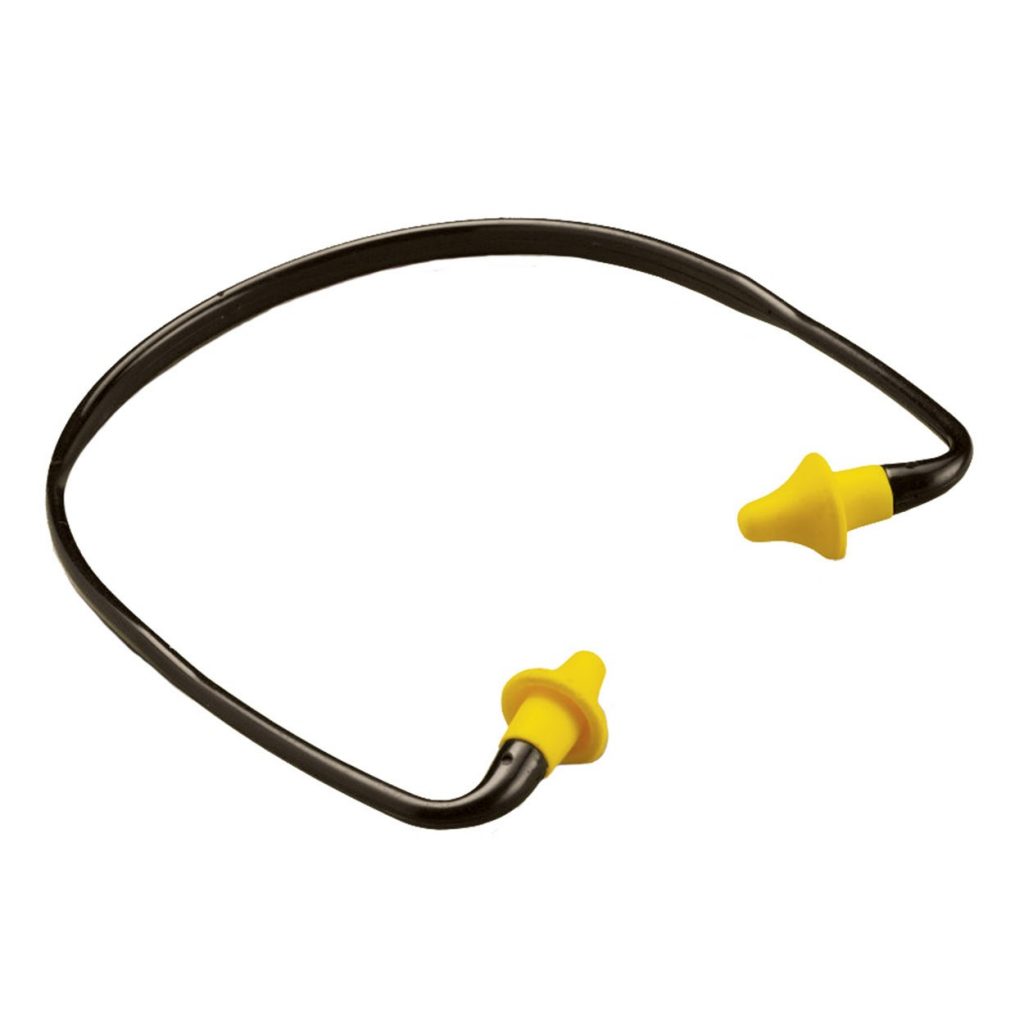 Banded Ear Plugs
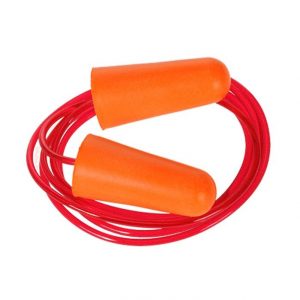 Corded Ear Plugs
Ear Defenders
Ear Defenders, or Ear Muffs as they are regularly known, work in a very different way. They cover the entire ear, and sealing against the head with light pressure from the over-head band. They look a little like stereo headphones. Some ear defenders do not have a complete headband and instead clip to the side of a Hard Hat - perfect for construction, ground works and roadwork.
Over the the head or clipped to your head protection, ear muffs work by "muffling" the sound pressure entering the ear canal. As such, it is essential you get a good seal between the cups and the head.
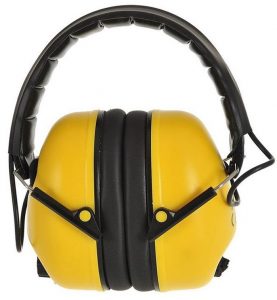 Electronic Ear Defenders
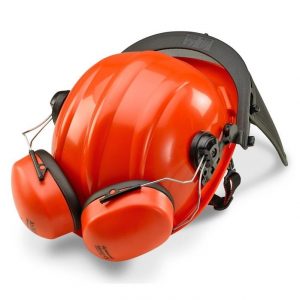 Clip-on Ear Defenders
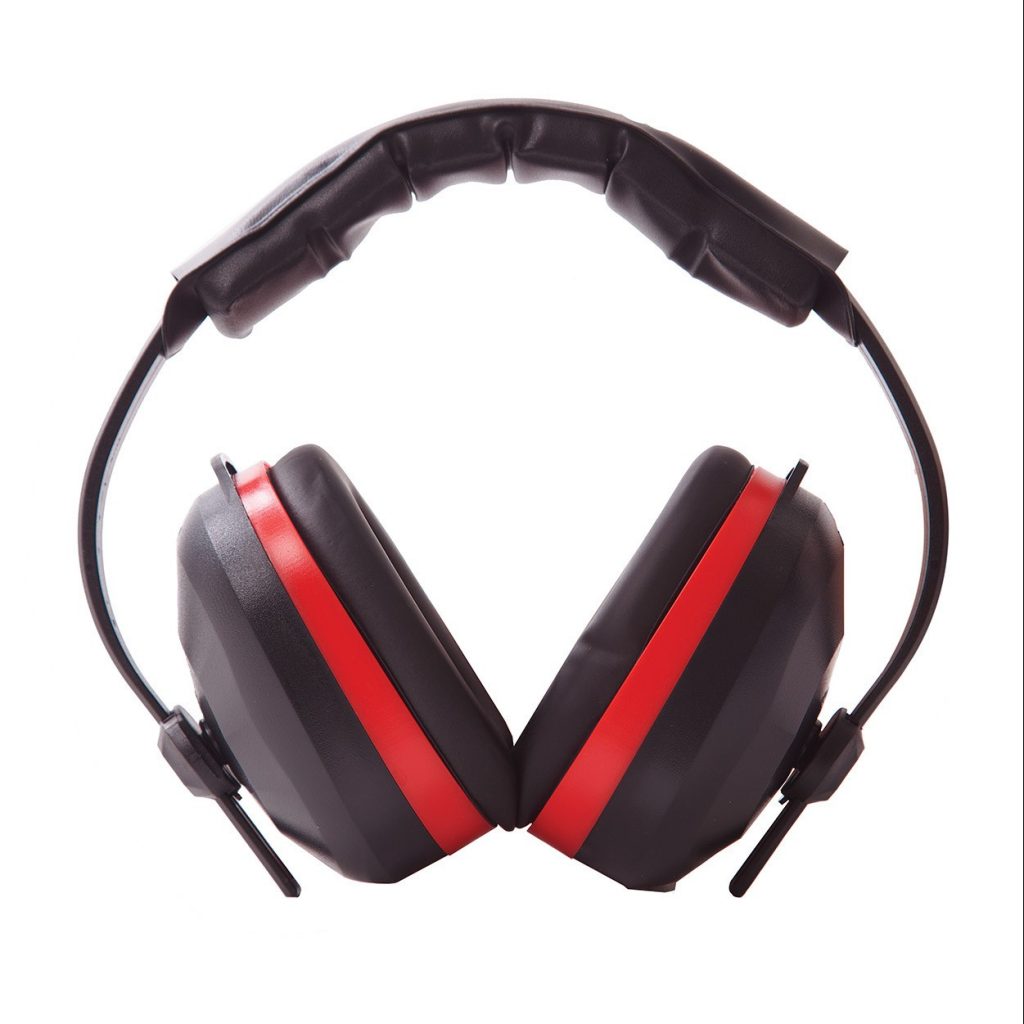 Standard Ear Defenders
Electronic ear defenders are a new fangled gadget that work in much the same way as noise cancelling headphones. You can usually adjust the volume allowed into the ear as they electronically compress noise down below 85dB.
Does Your Hearing Protection Meet Safety Standards
The Health and Safety Executive website has a section on ‘Noise at Work’ to provide information on your rights at work as they pertain to hearing safety.
The UK alone sees 17,000 people suffering from deafness, ringing in the ears, or other conditions caused by noisy work environments.
The Control of Noise at Work Regulations 2005 (PDF) replaced the Noise at Work Regulations 1989 on the 6th of April 2006. It should always be remembered that PPE is a 'last line of defence' solution to workplace personal safety, these regulations were put in place to ensure employers control the noise levels in the work place and/or provide the correct safety equipment for their employees.
There is a list of EN Safety standards that workers, self-employed, businesses and companies must follow. As a BSiF Registered Safety Supplier, XAMAX® only supply approved hearing protection that meets and exceeds the following standards.
- EN 352-1: 2002 - Hearing protectors - Ear muffs
- EN 352-2:2002 - Hearing protectors - Ear plugs
- EN 352-3:2002 - Hearing protectors - Ear muffs attached to a safety helmet
- EN 458:2004 - Hearing protectors - Selection, use, care and maintenance
Find ear protection that meets these safety standards and the only difficult part is remembering to wear them.
How to choose the right hearing protection for your working noise level
When you are choosing the correct hearing protection for your specific workplace, consider the level of noise that needs to be filtered out and what level of sound should be kept (eg: the voices of your colleagues, warning signals etc). To do this, you need to decide between simple ear plugs or ear muffs (however, you can use both).
Both types offer hearing protection, but earplugs generally offer more. For earplugs, the Noise Reduction Rating or (NRR) is between 22 and 33dB (decibels) whilst the NRR for ear muffs is between 20 and 30dB. However, combining the two will provide additional, and perhaps the best, protection.
Let's do some sound maths...
Keep in mind that a normal conversation is about 60dB, and sounds of 85dB and higher are harmful, depending on the length of exposure. To figure out how much hearing protection your device offers here is a basic formula: ([NRR in dB] - 7) ÷ 2 = sound level
For example, you are working on a demolition site whilst the nearby JCB's hydraulic breaker pummels the concrete - the noise exposure is 100dB and you are wearing a 33dB hearing protection device. Now, the noise level you would hear is 87 dB (33dB - 7 = 26 ... 26 ÷ 2 = 13 ... 100 - 13 = 87dB). Also, a product with a hearing protection level of 27dB would deduct 10 decibels of sound from your environment (27dB - 7) ÷ 2 = 10
You have to understand what level of sound you are exposed to in order to calculate the minimum decibels of protection you need. All employers must reduce sound to around 80dB, with the upper limit being 87dB. Most hearing protection has an eight-hour exposure rating.
Therefore consider these noise limits:
- 70-90dB for heavy machinery, electric motors, and city traffic
- Construction, factory, or highway work sites
- 100-120dB for a pneumatic drill, power saw, motorcycle, lawn mower, and rock music
- Carpentry, construction, and so on
- 140+ dB for jet engines and gunshots (pain level)
- Airport industry and in police work
For most of these industries (except for workplaces with over 140dB), any hearing protection would reduce the sound to a safe level.
Earplugs or Defenders?
There are several pros and cons of each - NRR aside - with ear plugs, ear defenders and helmet mounted ear muffs.
Ear defenders have fewer variations amongst users as one size fits most heads, they are easily seen at a distance, not lost, and can be worn with minor ear infections.
The downsides are that defenders are heavier and less portable, uncomfortable in humid areas, inconvenient for confined spaces, can interfere with prescription or safety glasses/goggles or masks.
Disposable ear plugs are small and light-weight. They can be of use with other hearing protection and are convenient in small spaces. The cons are they require more fit time, better hygiene, may irritate the ear canal, easy to lose, and difficult to see.

The Replacement Rate of Each Type of Hearing Protection
How soon the product wears out is a big factor when placing large orders of hearing PPE for your company. Consider the following replacement rates:
Banded ear plugs should be replaced when:
- Product shows wear and tear.
- Earbuds are no longer pliable.
- The headband is stretched.
- Every 6-8 months for normal wear.
- Every 3-4 months with heavy use or humid/extreme climates.
Disposable ear plugs should be replaced:
- Daily (or within reason) since they can harbour bacteria and earwax.
- May not stand up to washing.
Ear muffs and helmet mounted ear muffs should be replaced when:
- Product shows wear and tear.
- Ear cushions degrade.
- Earbuds are no longer pliable.
- The headband is stretched.
- Every 6-8 months for normal wear.
- Every 3-4 months with heavy use or humid/extreme climates.
Comfort and Fit
Employees are more likely to use hearing protection at work if it is comfortable to wear. It may seem like common sense to wear hearing protection, but how often do your employees not use their hearing PPE because it is uncomfortable to wear?
The best way to guarantee comfort is to make sure the hearing protection fits. For ear plugs, there needs to be a tight seal with the ear canal. Ear muffs need a tight seal against the side of the head.
When wearing either method of ear protection, hair and clothing should not be in the way. For foam bodied ear plugs, the majority of the plug should be in the ear canal. To double check that the fit for ear plugs is correct, cup your hands over your ears, and when you remove them, the sound level should not be different. If the sound has altered, the ear plugs need to be re-fit.
There are different disposable ear plugs and banded ones that ensure comfort, and many ear muff brands have adjustable, comfortable straps and soft ear cushions. For ear muffs attached to a safety helmet, most ear defenders have soft ear cushions, and the comfort will depend on the comfort of the helmet itself. Try out different hearing protection to find out what works best for them.

Ease of Maintenance and Storage
When choosing the right protection for your employees, make sure you consider how easy each type of protection is to maintain and store.
For maintenance, check that each type of ear plug or ear muff:
- Works to an effective standard.
- Is in good, clean condition.
- Has undamaged seals.
- Headband tension not reduced.
- No unofficial modifications.
- Check for wear and tear.
Replace if any of these are defective.
For cleaning and storing ear muffs:
- Disassemble ear muffs to clean.
- Wash with a mild liquid detergent and rinse in warm water.
- Ensure sound attenuating material inside ear cushions does not get wet.
- Remove skin, oil, and dirt that can harden ear cushions with a soft brush.
- Squeeze excess moisture from ear cushions and place on a clean surface to air dry.
- Store in original case to protect from contamination, loss, damage, damp or sunlight.
- Replace when ear cushions and foam inserts degrade.
For cleaning and storing banded ear plugs:
- Wash with a mild liquid detergent and rinse in warm water.
- Remove skin, oil, and dirt that can harden ear plug foam with a soft brush.
- Squeeze excess moisture from ear cushions and place on a clean surface to air dry.
- Keep in a case to protect from contamination, loss, damage, damp or sunlight.
- Replace pods every 2-4 weeks at least, or sooner if necessary.
For cleaning and storing disposable ear plugs:
- Dispose daily (recommended since they are inexpensive).
- Or keep in cases for reuse. (Since these are quick to harbour bacteria reuse within reason).
- Check packaging to see if they can be cleaned.
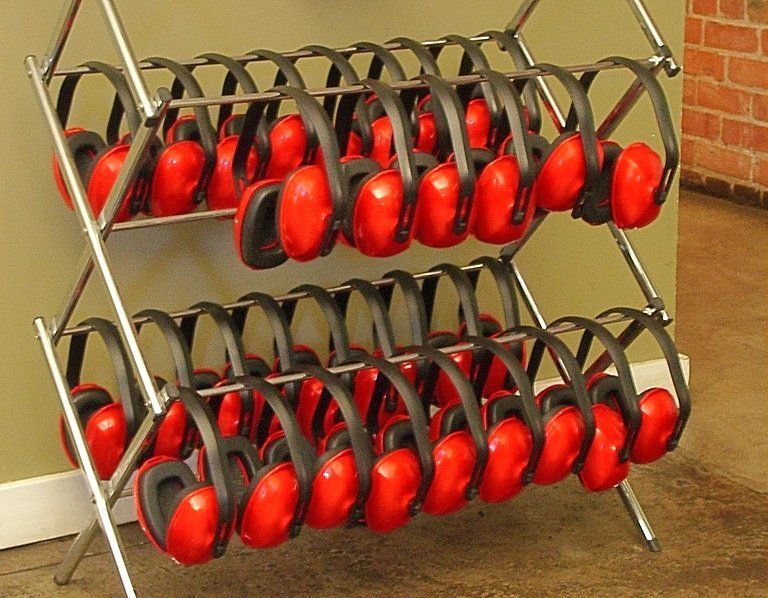
Most hearing protection units - including ear muffs - are quite inexpensive, with disposable ear plugs being the cheapest option to purchase. However thought should be given to extended use. It may only cost 50p for a day's ration of ear plugs, but for less than a fiver you can get a decent pair of defenders that could last months, if not years..
Conclusion
Hearing safety is vital to keeping yourself and/or your employees safe and happy, so make sure you make an informed decision when selecting the right Hearing Protection.
With price points being similar and all PPE products sold by XAMAX® meeting strict safety standards, you should consult those who will wear the hearing protection. Decide together what is most comfortable for them.
Like with all PPE, it is important you make sure the protection provided meets the correct safety standards. Research those and choose the correct hearing protection for your industry or task.
Consider the replacement rates of different protection available. Some types are disposable, some last a long time if properly cared for. Choose the correct hearing protection for your specific needs.
Check that it is comfortable and properly fits everyone who'll be wearing it.
In a noisy work environment, having the correct PPE to protect your hearing is essential. There are several consequences if you do not have the right equipment: Tinnitus, Acoustic Trauma, Temporary Hearing Loss, Industrial/Occupational Deafness, even Complete Hearing Loss How do you choose the right hearing protection PPE for your particular industry? Types of Hearing […]
The Health and Safety Executive notes that there were 74,000 reported cases of work-related hearing loss in 2004 to 2005. In 1997 to 1998, those figures were closer to half a million. Both education and regulations have likely decreased these numbers of preventable hearing loss, but it’s important that hearing is protected where possible. What is noise-induced hearing loss and how can NIHL be prevented? Here’s our guide for site managers.
What is NIHL?
Noise-induced hearing loss or NIHL is a permanent hearing impairment from exposure to high levels of noise. It may cause a person to hear only a narrow range of frequencies, impaired perception of sound, or another impairment like sound-sensitivity, ringing in the ears, or the inability to understand normal speech.
The most common cause of hearing loss is excessive noise exposure. Because noise exposure can happen at work, there are regulations in place. The daily average exposure should be no more than 87 dB with hearing protection in place. The regulations mandate that hearing should be protected from excessive noise at work that may cause hearing loss or tinnitus.
How Does Hearing Work and How Can It Be Damaged?
Hearing works when sound waves enter the ear canal and vibrate the eardrum. The vibrations are sent to the tiny bones in the middle ear: the malleus, incus, and stapes. The bones couple the air vibrations to the fluid vibrations in the snail-shaped fluid-filled cochlea of the inner ear. The fluid in the cochlea ripple and a wave forms along the basilar membrane (the partition between the upper and lower parts in the cochlea). Sensory hair cells, which sit on top of the basilar membrane ride on the wave, and as they move up and down the microscopic an overlying structure, bending which causes the pores of the stereocilia to open. Hair cells at one end perceive low frequencies and the other end perceives high frequencies. This action sends chemicals rushing in the cells, which causes an electrical signal. The electrical signal is sent to the brain and is translated into recognisable sound.
When noises are too loud, the sound kills the hair cells in the inner ear. After prolonged exposure, more hair cells are destroyed, and, as hair cells diminish, hearing decreases. Dead hair cells cannot be restored at present.
Noise level and the length of exposure can put someone at risk for NIHR. Sounds over 85 dB can cause permanent hearing loss. Loud bursts of sound such as from gunshots or explosions can rupture the eardrum or damage the three small bones in the middle ear, resulting in immediate and permanent loss of hearing, or tinnitus, which is a ringing, buzzing, or roaring in the ears or head.
Common Sounds and Their Intensity
Here’s a (modified) chart from the American Hearing Research Foundation about common sounds, and exposure levels:
Approximate Decibel Level Examples
0 dB
the quietest sound you can hear.
30 dB
whisper, quiet library.
45 dB
humming refrigerator
60 dB
normal conversation, sewing machine, typewriter.
85 dB
noise from heavy city traffic, electric motors, heavy machinery, construction, factory, highway work sites
90 dB
lawnmower, shop tools, truck traffic; 8 hours per day is the maximum exposure (protects 90% of people).
95 dB
motorcycles
100 dB
movie, chainsaw, pneumatic drill, snowmobile, mp3 player at max volume; 2 hours per day is the maximum exposure without protection.
115 dB
sandblasting, loud rock concert, jackhammer, power saw, carpentry, construction, auto horn, sirens, motorboats, health club, video arcade,; 15 minutes per day is the maximum exposure without protection.
140 dB
gun muzzle blast, jet engine, airport industry, police work; noise causes pain and even brief exposure injures unprotected ears; maximum allowed noise with hearing protector.
150 dB
firecrackers and firearms
Can NIHL Be Reversed?
There’s no cure or ability to reverse NIHL. Once the inner ear’s hair cells have been damaged, then they cannot be restored. NIHL can be treated with hearing aids, but hearing aids only amplify sounds (like a microphone) and cannot restore normal hearing - there need to be some hair cells left intact for them even to work.
There is a chance that noise can cause reversible hearing loss, which is called a temporary threshold shift. Sometimes that occurs when people are exposed to gunfire or firecrackers; the person temporarily loses hearing, hears a ringing in the ears and tinnitus.
However, any exposure can cause permanent, irreversible hearing loss or damage.
Can NIHL Be Prevented?
Yes, hearing loss can be prevented. Here are four steps to prevent NIHL.
Risk Assessment
Conduct a risk assessment on site to understand the surrounding environment in the workplace. On site, you may have the buzz of nearby traffic, and you may have equipment that will run most of the day. Will there be any machinery that will make sounds that are at an uncomfortable level? How long will these sounds go on for? Is there risk of hearing loss from these sounds? Figure out the risk of exposure to these loud sounds, and plan accordingly.
Reduce Length of Exposure
Since people can stand loud noises for short periods of time, but not for extended periods of time, then reducing the exposure time to that sound is key. When conducting your on-site risk assessment, consider how long your workers will be exposed to each sound, and the number of dB the worker will be exposed to. Anything reaching unsafe levels requires appropriate hearing protection. However, when in doubt, use hearing protection and make sure that workers are not exposed to sounds for longer than recommended. Some sounds can cause damage after fifteen minutes, and others cause damage after a few hours. Assess which sounds can cause what type of damage, and after how long to understand what measures need to be put in place.
Wear Hearing Protection
When your workers will be exposed to loud noises above 85 dB, then they will need to be issued hearing protection. When operating machinery, power tools, outdoor equipment, and so on, provide hearing protection in the form of earplugs or earmuffs to decrease the intensity of the sound.
Earplugs fit in the outer ear canal and block the ear with an airtight seal. Improperly fitted, dirty, or worn earplugs will not work properly. Foam earplugs are inexpensive. They can be banded if the employee has trouble keeping them in his or her ears or simply standard earplugs.
Earmuffs and ear defenders fit over the outer ear, and form an air seal to block the ear canal. They are held in place with an adjustable band. Earmuffs won’t seal around glasses or long hair. The headband tension must hold the earmuffs securely around the ear.
The correct hearing protection can reduce the noise by 15-30 dB. Better quality earplugs and earmuffs have an equal sound reduction. Earplugs are often better for low-frequency noise, and earmuffs work best for high-frequency noise. If combined, the double protection adds 10-15 dB of further protection than when used alone. If noise exceeds 105 dB, then hearing protection should be combined.
For very loud noises - like those over 105 dB - no type of hearing protection will stop very loud noises causing some level of damage.
Allow Some Noise
Check that normal conversation can be heard when using hearing protection. If the hearing protection reduces all noises then there may be other dangers outside of hearing problems since your workers may not be able to hear shouts of danger. All noise should not be entirely eliminated.
For added protection, all workers should avoid noise that is too loud, too close, or goes on for too long. The distance from the sound and length of exposure are factors in protecting hearing. Hearing is a precious thing to lose, and, since it’s so easy to damage hearing irreversibly, it should be protected.
Prevent NIHL with the appropriate PPE for your business. Use our checklist to make sure you get it 100% right.
The Health and Safety Executive notes that there were 74,000 reported cases of work-related hearing loss in 2004 to 2005. In 1997 to 1998, those figures were closer to half a million. Both education and regulations have likely decreased these numbers of preventable hearing loss, but it’s important that hearing is protected where possible. What […]
Exposure to excessive noise levels can be severely harmful to your workers’ health, both short and long term. They are apparent in every industry and construction is up there with the highest noise and longest exposure levels.
It is important to know what level of decibels is harmful to you and your workers and the various ways in which you can combat this issue.
In this article we are looking at noise levels in a construction industry context, but the same issues, regulations and protections apply across most industries. The areas we will be talking about are:
- Page Contents
- The Laws Regarding Noise Levels
- The Consequences of Exposure to Excessive Noise
- Ways to Reduce Noise
- Protection
The Laws Regarding Noise Levels
In April 2006, the Control of Noise at Work Regulations came into force for the all industries in Great Britain except the music and entertainment industries.
The primary aim of the introduction of these regulations was to ensure that workers’ hearing is protected at all times from excessive noise in the workplace. Too much noise exposure could lead to loss of hearing and potentially suffering from permanent tinnitus (ringing in the ears).
A lot of construction sites are noisy. Really noisy. Full of constant or extreme and sudden loud noises. You will often find that you are raising your voice just to speak to your team, even when they are only two metres away. This is a telltale sign that noise levels on-site can damage health.
Other signs that your site might be too loud for safe working without protection are if you go home and find your hearing is muffled or your ears are ringing.
As a whole, power tools and other vital equipment are designed to stay under the recommended limit of 85 decibels, but you can often find that they can reach up to as many as 115 decibels.
These limits will also be exceeded if your team are using the equipment in a way that the suppliers and manufacturers do not suggest. The surpassing of the recommended limits on power tools and machinery can prove to be a huge catalyst in the result of hearing problems for many construction workers.
The Consequences of Exposure to Excessive Noise
You can work out if your site has excessive or dangerous noise using a simple calculation. Details of how to work out the correct hearing protection can be found here.
Your workers may find that if they are exposed to excessive noise too often over their working life that their quality of life may be hampered in various ways. These include:
- Conversation becoming increasingly difficult.
- Sounds like “t’s, d’s and s’s” are difficult to grasp and words can be easily confused.
- Permanent tinnitus - A constant ringing, buzzing, humming or buzzing in the ear. This condition has to be known to seriously affect sleep and in some cases, may be linked to depression.
Ways to Reduce Noise
There are two main ways to combat the noise levels on-site to protect your team - reduction or complete elimination.
Elimination
One way in which you can totally eliminate the exposure to excessive noise levels is by removing your team from the areas in which the loudest noises are. You can gauge which jobs are the noisiest ones to carry out by undertaking a noise risk assessment.
Observe work activities and measure the exposure time over part of a typical working day. If a particular employee is exposed to noise from more than one tool or work process during the day, you will need to collect information about the likely noise level and exposure time for each tool and overall job.
In addition, use the guidelines that the manufacturers and suppliers provide with each piece of equipment to calculate the potential level of noise that your workers will be exposed to.
Reduction
If it is not possible for you to remove workers from noisy areas, then quieter equipment should be your next move. Remember: you should only look towards hearing protection as a last line of defence.
Use the guidelines and trader advice when selecting your equipment to buy or hire and choose the quietest tools that are most effective for the job. Obviously not every job can be done quietly, but there are usually ways to lower noise levels.
Protection
Hearing protection should only be used when additional protection is required in tandem with another reduction or elimination method.
If hearing protectors are required, aim to provide protection of 85 decibels at the ear. Be careful not to provide excessive protection though as this can cause added dangers. Cutting out too much noise can also increase feelings of isolation and potentially lead to employees becoming frustrated and not opting to wear them.
Provide your staff with a choice of comfortable, hygienic ear defenders or ear plugs. That way, they would be more likely to wear them and can choose which ones suit their role best.
Ensure that your team are all trained in how and when to use ear protectors. This will help when on-boarding new staff and keep everybody as safe as possible.
Exposure to excessive noise levels can be severely harmful to your workers’ health, both short and long term. They are apparent in every industry and construction is up there with the highest noise and longest exposure levels. It is important to know what level of decibels is harmful to you and your workers and the […]