
Eye safety is paramount for jobs where materials, dusts, fluids or gases could be ejected into the air. Over 90% of cases of eye injuries reported could have been prevented with protective glasses. Over 2,000 people suffer each year with an eye injury. If your workplace has deemed that protective goggles or safety glasses are necessary, how do you maintain and store your PPE?
Regulations
It is important that you know the latest PPE regulations. The following regulations apply to eye protection:
EN 166: Requires eye protection in industries with potential eye hazards or anything that is likely to impair or damage vision. There are exemptions for nuclear radiation, x-rays, laser beams and low temperature infrared.

- EN 170: Ultraviolet filters
- EN 171: Infrared filters
- EN 172: Sunglare filters for industrial use
- EN 175: Eye and face protection during welding
Maintenance of Safety Eyewear
Manufacturers must provided instructions of use and care for each specific pair of safety glasses. This includes how to maintain them but a general rule is to clean them daily.
You can blow loose dirt and debris from the lenses, rinse them under running water using detergent or use lens cleaning wipes or sprays. Make sure you store them in a clean dry place after washing.
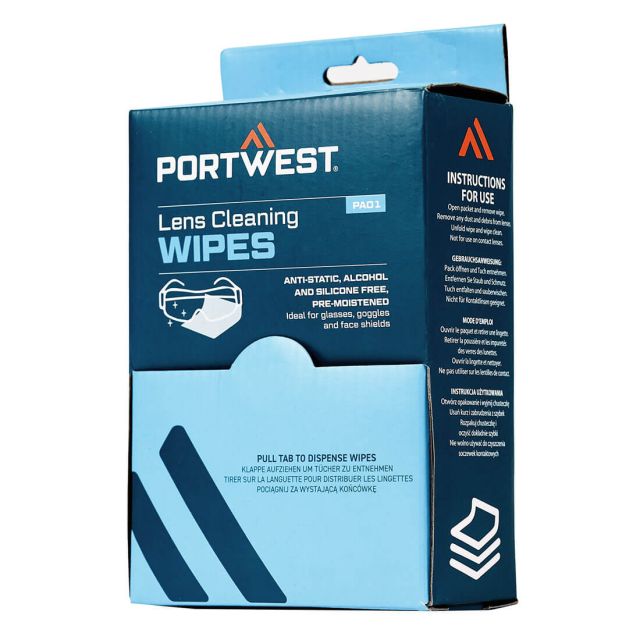
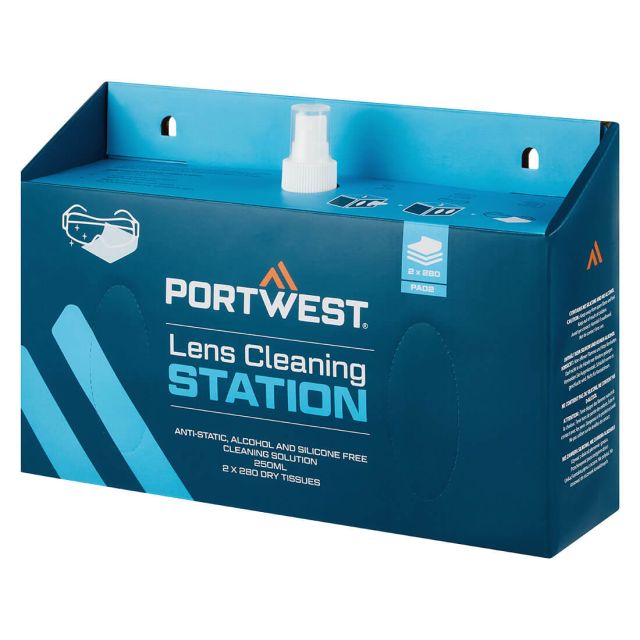
Avoid rough handling because scratches will impair the vision and weaken the lenses. Safety glasses have quite a long shelf life when compared to other PPE equipment, but only when cared for. Proper maintenance will make sure you get the maximum shelf life.
You can mend your safety goggles providing you replace damaged parts only with the original manufacturer parts to ensure the same safety rating. Scratched or broken lenses cannot be repaired, you must be replace the entire unit.
Storage of Safety Eyewear
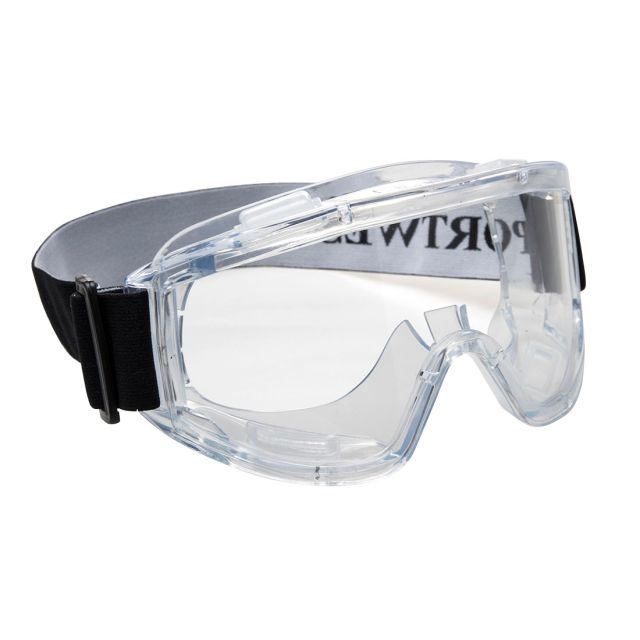
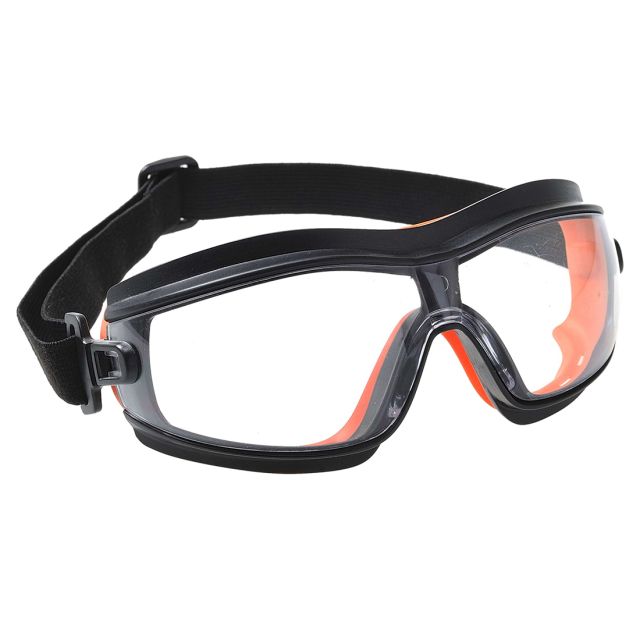
You need to store safety spectacles in a case, special bag or a clean and dry place to avoid scratching, falling or being stepped on. Some workplaces have special drawers to store glasses safely in neat rows, other companies provide bags for storing your glasses in. You need to avoid storing your safety glasses in large piles because scratches will impair you vision and safety.
Replacement Rate
As stated, safety glasses have one of the longest lives of any PPE equipment. However, despite their condition you should replace them every 3 years. If you maintain them, your glasses can last up to that 3 year period without incident.
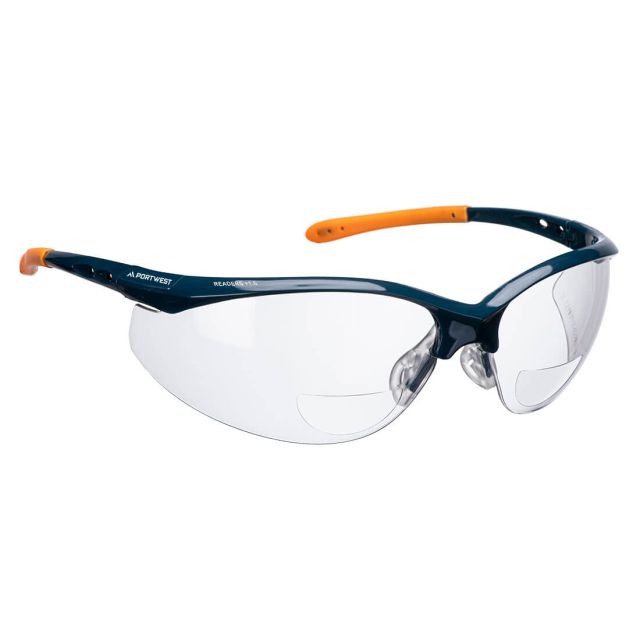
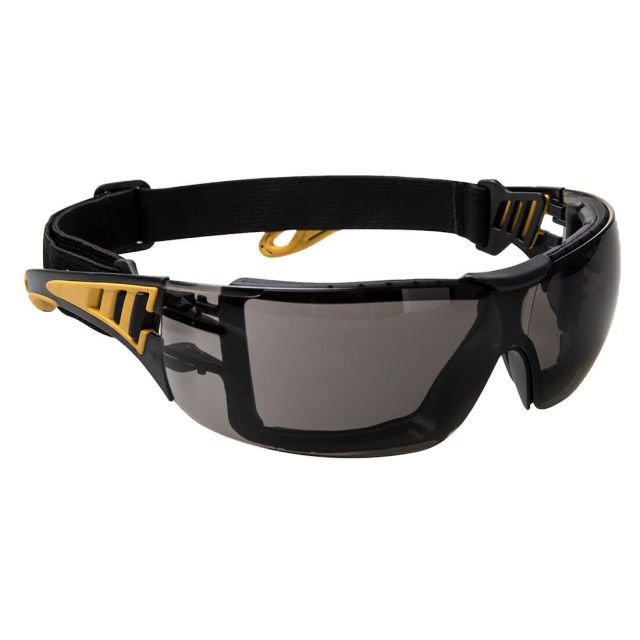
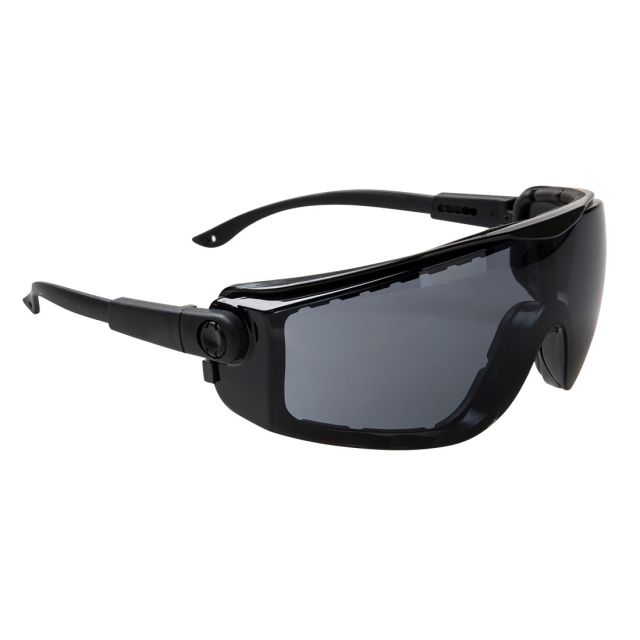
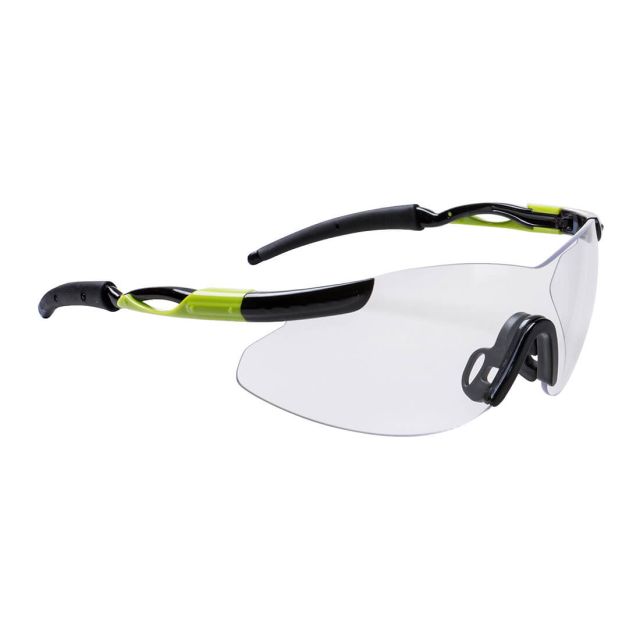
Make sure you replace protective glasses that are damaged, scratched, pitted, broken, bent or ill-fitting. Ill-fitting safety glasses do not protect the wearer.
Correct Fit
To ensure your safety glasses must fit, the eye and bridge size, and temple length vary so your safety glasses need to be individually fitted. Temples should fit comfortable over your ears and the frame should be as close to the face as possible with adequate support on the bridge of the nose. Find the best fit and protection for every worker who requires eye protection.
How to Choose the Best Eyewear for You
You need to choose your safety specs based on the colour of the lens - depending on the industry and comfort.
- Clear lenses provide standard protection
- Amber lenses removes blue light for low-light environments
- Grey and Brown lenses protect you from sun glare, UV rays and impact for outdoor use.
Your safety glasses should fit close to the face to minimise gaps. Find a style comfortable to wear.
Conclusion
It is important you chose the correct eyewear for you. It needs to be individually fitted because people find certain safety glasses more comfortable than others. The type of protect safety glasses you chose depends on the industry you work in. Make sure you maintain and store your safety eyewear correctly to maximise their shelf life.
Eye safety is paramount for jobs where materials, dusts, fluids or gases could be ejected into the air. Over 90% of cases of eye injuries reported could have been prevented with protective glasses. Over 2,000 people suffer each year with an eye injury. If your workplace has deemed that protective goggles or safety glasses are […]
Personal protective equipment is essential for anyone working in hazardous conditions, and it is a legal requirement that employers protect their employees from harm. Other safety measures should be introduced first to protect your employees and PPE used as a last resort.
Eye safety is paramount for those who work with glass, debris, chemicals, or mechanical parts that could break. As a result, you can prevent eye injuries by wearing the correct protective eyewear.
Sunglasses and/or prescription glasses are not suitable because these are not designed to protect eyes from splashes or impact. To help you choose the best protective eyewear for your job, here are some factors you need to consider and the four safety eyewear available.
- Page Contents
- What Are You Protecting Against?
- Types of PPE Eyewear You Can Use
- Safety Standards
- Lens Material
- Replacement Rates and Maintenance
- Fit Test
What Are You Protecting Against?
- Chemical or metal splash
- Molten metal
- Dust
- Projectiles
- Impact
- Gas and vapour
- Radiation
Types of PPE Eyewear You Can Use:
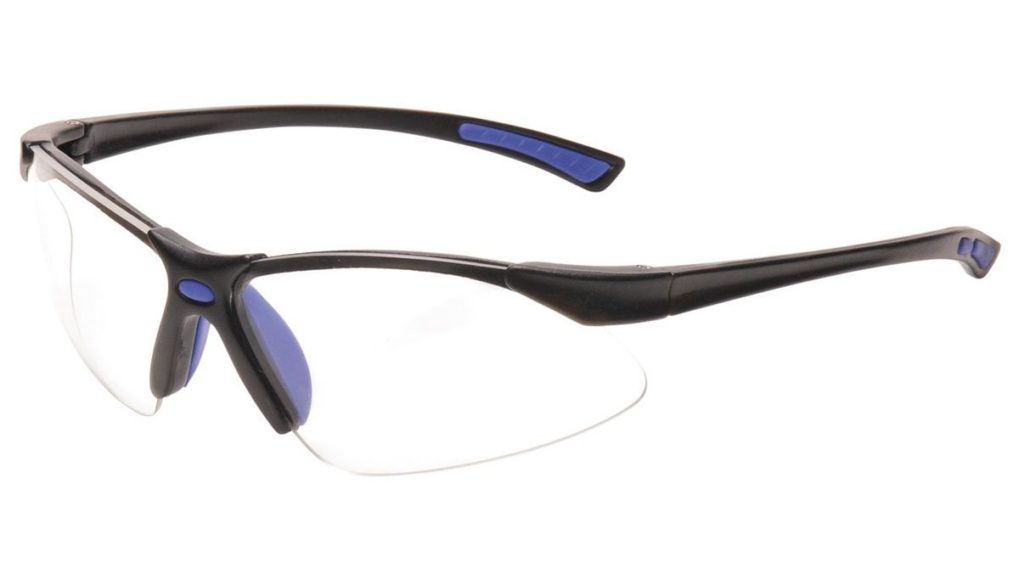
1. SAFETY SPECTACLES (CLEAR OR TINTED SAFETY GLASSES):
- Clear lens provides standard protection
- Amber lens removes blue light for low-light environments
- Grey and brown lens SCT protect from sun glare, UV rays, and impact
for outdoor use - Can have metal or plastic sides
- Prescription lenses available
- Side available for more than impact protection
Safety glasses are used for general eye protection and protect against flying objects. For instance when using in a laboratory, safety glasses need eye shields.
The safety rating means that the lenses are tested to withstand the impact of ¼” steel ball at 150 fps (feet per second).
Who uses them? Industries that need low impact protection, but not from smaller particles that can travel around the glasses.
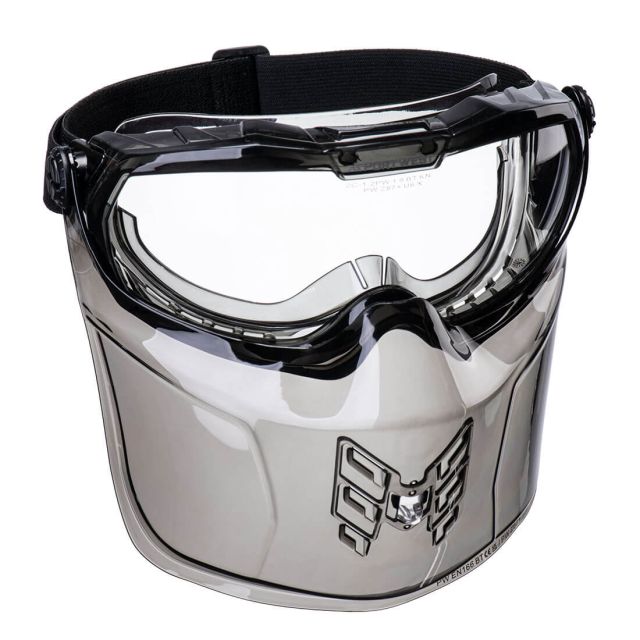
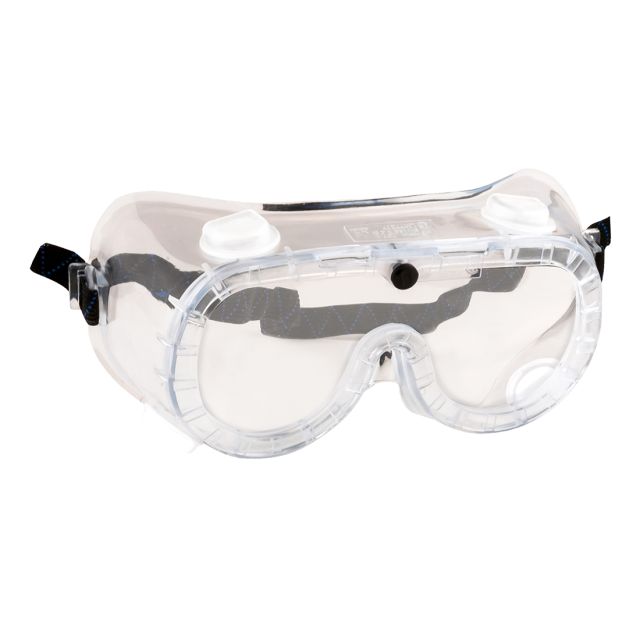
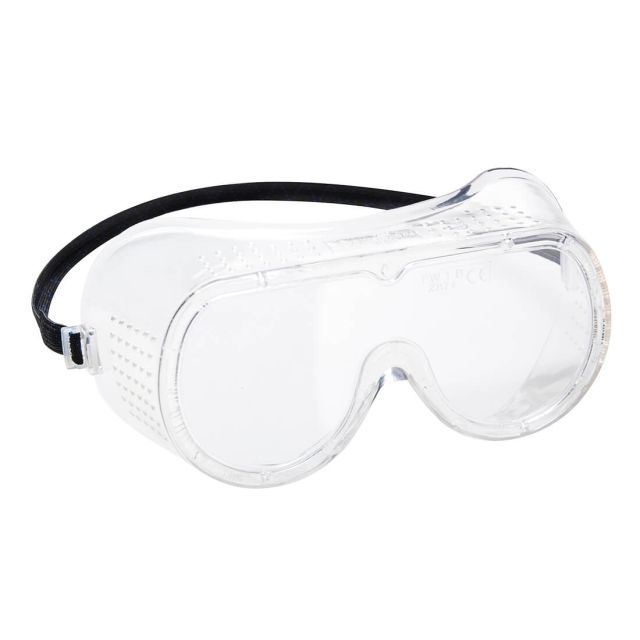
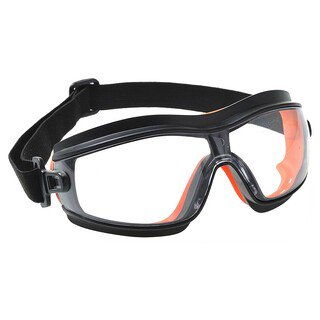
2) GOGGLES / OVERSPECS:
- Encase the area surrounding eyes
- For areas with dust and airborne debris.
- Some have features such as anti-mist, anti-scratch lenses, and adjustable straps.
- Provide complete eye protection
- Can wear with glasses
- Only available in clear lenses
- May be rigid or flexible
Workers use overspecs when they need more than impact protection. When working in laboratories, manufacturing, and construction, these safety goggles are a must if the worker wears prescription glasses.
The goggles are available in direct, indirect, or non-ventilated types suitable for your requirements.
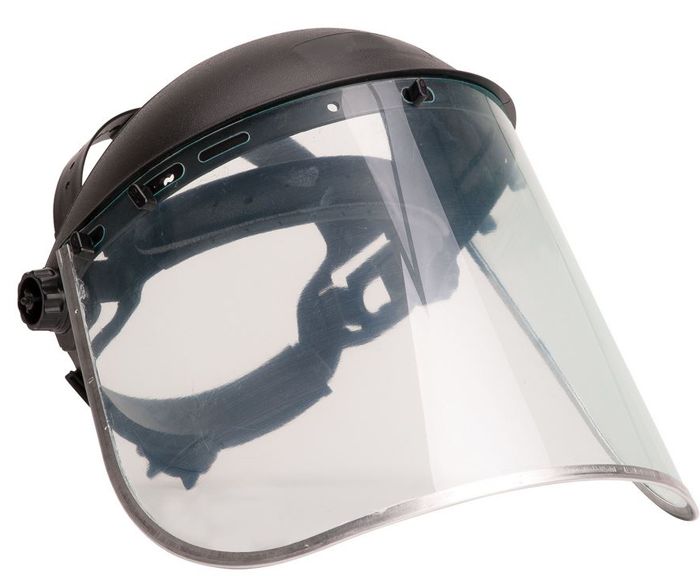
3) FACE SCREENS / FACE SHIELDS:
- Heat, chemical, and impact resistance without impairing vision
- Protect from flying fragments, objects, large chips, and particles
- Made from different transparent materials
- Vary in thickness
- Thickness corresponds with task
Face Screens are used as secondary protection with safety glasses or goggles. Therefore, it is important to know that they do not protect eyes from impact hazards.
Who uses them? Manufacturing industry, medical industry (for example, when exposed to infectious substances), police (riot protection), construction (debris or sparks), welding (metal spray).
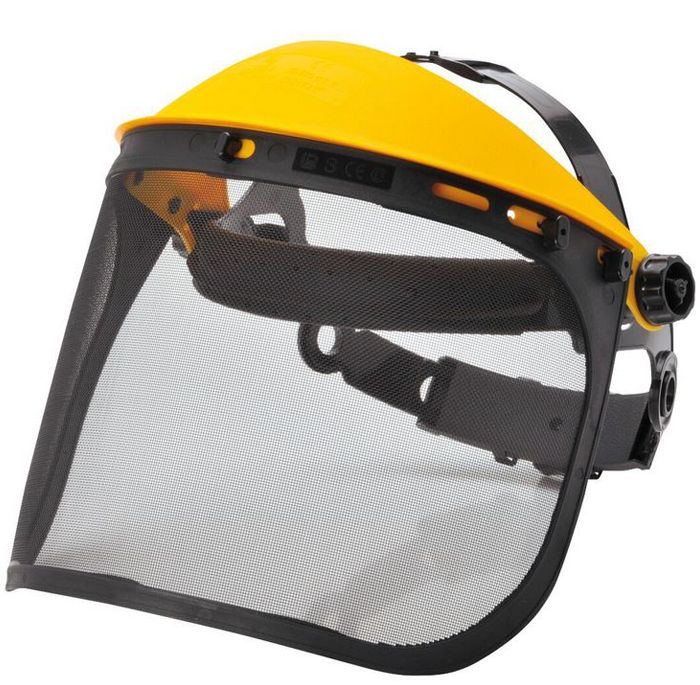
4) VISORS / BROWGUARDS:
- Protects wearer from the front
- Visor fits into headband to shade or protect eyes
- Can be clear or tinted
- Can be attached to safety helmet
Who uses them: Industries with high-velocity impact, chemicals, and heat.
Visors and browguards are worn together and provide complete face protection from chemical splashes, molten metal, and high velocity impact (from cutting and grinding).
Note: The eye protection you choose must have the right combination of protection for the user and fit properly.
Eyewear Safety Standards
Here are some European Standards for Protective Eyewear EN:
(Exemptions for nuclear radiation, x-rays, laser beams, and low temperature infrared).
- 166: Requires eye protection in industries with potential eye hazards,
or anything likely to impair or damage vision. - 170 Ultraviolet filters.
- 171 Infrared filters.
- 172 Sun glare filters for industrial use.
- 175 Eye and face protection during welding.
Lens Material in Safety Eyewear
You will need to choose the protective eyewear you will need and consider the different lens materials.
Glass:
- Not easily scratched
- Can be heavy and uncomfortable
- Fog easily
Plastic:
- Lighter than glass
- Less likely to fog
- Not as scratch resistant
Polycarbonate:
- Lightweight
- Not likely to fog
- Stronger than glass or plastic
- More impact resistant
- Not as scratch resistant
Replacement Rates and Maintenance
Regardless of their condition, safety glasses should be replaced at least every three years. If they are damaged, scratched, pitted, broken, bent, or ill-fitting, they do not provide protection.
You can replace damaged parts with the original manufacturer parts only to ensure the same safety rating. Clean your protective eyewear daily following the manufacturer’s instructions.
For instance, to clean your safety glasses you can blow loose dirt and debris from the lenses; rinse under running water (with or without detergent); or use lens cleaning wipes or spray.
Most importantly, avoid rough handling as scratches impair vision and weaken lenses. Prevent this by storing your protective eyewear in cases or another clean, dry place to avoid scratching, falling, or being trodden on.
Safety Eyewear Fit Test
For safety glasses/goggles:
- Eye size, bridge size, and temple length vary; glasses should be individually fitted.
- Temples should fit comfortably over the ears.
- The frame should be as close to the face as possible with adequate support on the bridge of the nose.
- Choose based on colour of lens and comfort.
- Glasses / goggles should fit close to the face to minimise gaps.
- Find a style comfortable to wear.
For Visors and Browguards/Face Screens/Face Shields:
- Adjust browguard to fit comfortably but snugly on head (many come with
adjustable headgear)
Conclusion
The eyewear you should buy to protect your on-site employees depends on the hazards they face and their needs (comfort, fit, colour, and lenses). Above all, remember that it is better to over protect than under protect. If that means safety goggles and visors, then make sure that everyone’s eyes are shielded appropriately.
Personal protective equipment is essential for anyone working in hazardous conditions, and it is a legal requirement that employers protect their employees from harm. Other safety measures should be introduced first to protect your employees and PPE used as a last resort. Eye safety is paramount for those who work with glass, debris, chemicals, or […]